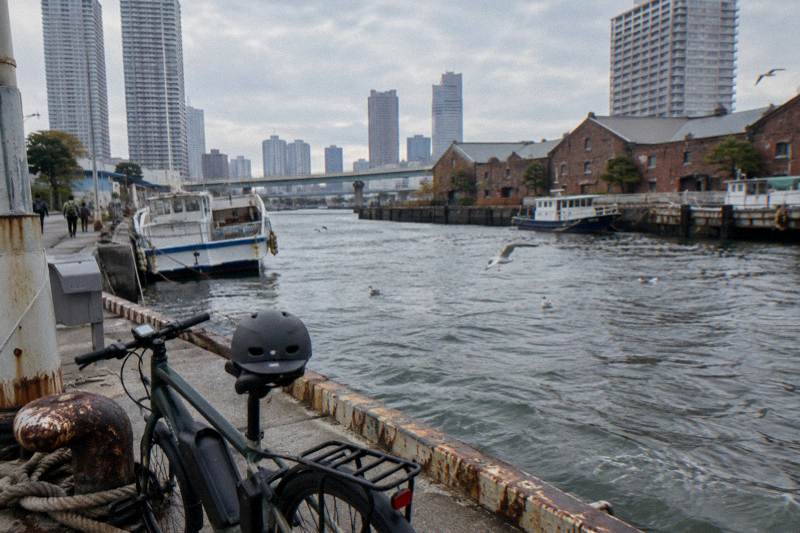
Yanaka Bike Tour: Old Tokyo Streets, Temples And Cats
Yanaka is the slice of Tokyo that survived the fires, earthquakes and redevelopment that cleared most of the capital's wooden townscapes, hilltop temples and alley cats included, and a bicycle is one of the fastest ways to thread it together with neighbouring Ueno and Nezu without wearing out your shoes.
Short answer
A Yanaka bike tour is a guided 3 to 6 hour ride through the old-town streets of the Yanesen area, usually linking Ueno, Nezu Shrine and Asakusa. Expect roughly 20 km on quiet streets and lanes. The Old Town History Ride, Regular Bike runs from $61.54 per person, 3 hours, rated 5.0 from 16 reviews.
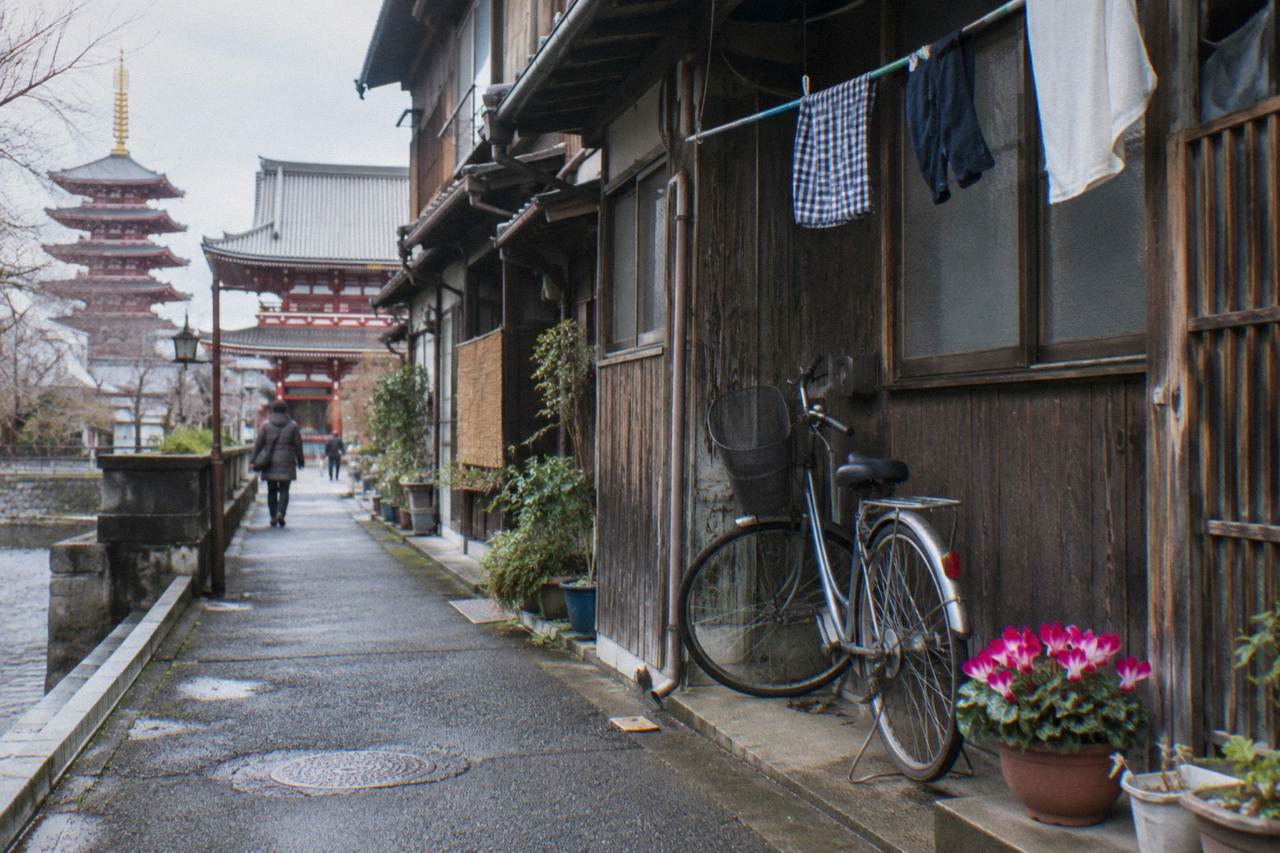
Yanaka is one of very few central Tokyo districts where the city's prewar fabric still stands in any quantity. Fire, earthquake and redevelopment cleared most of the capital's wooden townscapes over the last hundred years, but this hillside north of Ueno kept its lanes, its temple cluster and its population of street cats. Route guides describe quiet backstreet cycling through Yanaka, part of the Yanesen old-town area alongside Nezu Shrine and the Yanaka Ginza shopping street, with guided rides commonly combining it with Ueno, Nezu and Asakusa on routes of roughly 20 km using cycle lanes and calm residential streets.
A bicycle suits the area better than almost any other transport. The distances between Yanaka's sights are just long enough to be tedious on foot and just short enough to make a taxi feel absurd. Add the slope up to the temple ridge and the case for pedal power, ideally with electric assist, becomes obvious.
For riders who want the context that turns a pretty lane into a story, a guided option such as the Old Town History Ride, Regular Bike covers the district in 3 hours with a group of at most 6, from $61.54 per person, rated 5.0 across 16 reviews, and free cancellation on the booking page. Independent riders will find the area forgiving, but a guide earns their fee in a neighbourhood whose points of interest rarely carry English signage.
What Is A Yanaka Bike Tour?
A Yanaka bike tour is a small-group guided bicycle ride through the Yanesen old-town area of Tokyo, usually 3 to 6 hours, linking Yanaka's lanes and temples with nearby Ueno, Nezu and sometimes Asakusa. The signature history ride is 3 hours, capped at 6 riders, from $61.54 per person with an e-bike, helmet and guide included, rated 5.0 from 16 reviews.
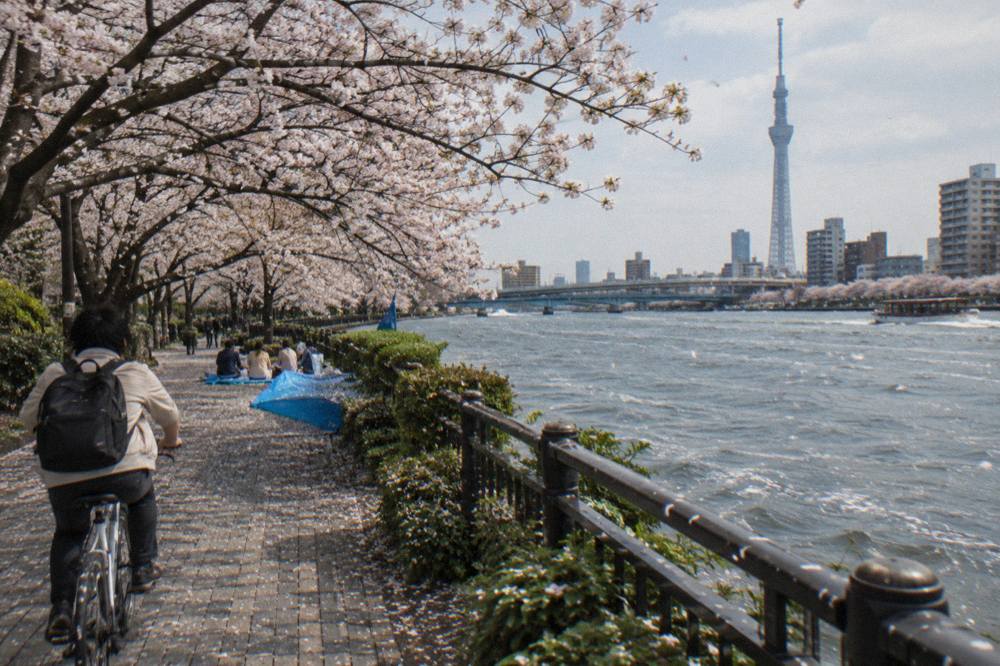
For a taste of how locals ride every day, our beginner's guide to the mamachari bicycle explains how these workhorse bikes handle and the street rules that come with them.
Three things define the format. First, the terrain: Yanaka sits on the last tongue of the Musashino plateau before it drops to the Sumida lowlands, so rides alternate flat shopping streets with short climbs to the temple ridge. Second, the surface: route reports describe cycle lanes and quiet residential streets rather than major roads, which is why the area features in family and beginner itineraries as well as history tours. Third, the pace: these are stop-and-go rides, with long pauses at temples, shrines and the alley where the cats live, so a 3 hour tour might cover less ground than a commuter covers in 40 minutes.
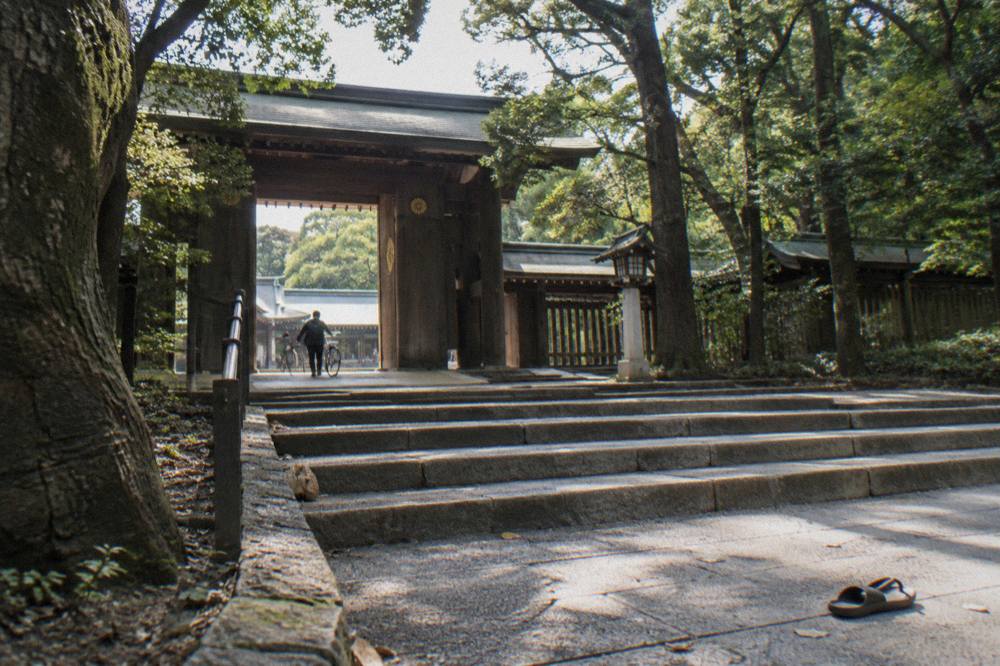
The classic pairing is with Asakusa, across the plateau edge to the east. The Asakusa bike tour guide covers that side of the ride in detail, including the riverside stretches that connect the two districts. Riders with a full day often continue to the Sumida River paths; the Sumida River cycling route runs south from there toward the bay.
Cats deserve a paragraph of their own, because they are a genuine reason people choose Yanaka rather than another old district. The quarter's temple cemeteries and walled gardens host a well-fed resident population, and local custom is to observe rather than feed or chase. No tour guarantees a sighting, and none should; the animals are wild in habit even when tame in manner. The temples, by contrast, are reliable: the hillside holds a dense row of them, and the walk between gates is the closest thing central Tokyo has to a Kyoto-style temple stroll.
Which Guided Rides Explore Yanaka And Old Tokyo?
The ride built for this district is the Old Town History Ride, Regular Bike, 3 hours, from $61.54 per person, rated 5.0 from 16 reviews, group of at most 6, with bike, helmet and guide included. Two strong alternatives exist: the West-Side Cycling With Food Stops tour from $106.89, and the Night Hidden Gems E-Bike ride from $142, both covering different faces of the city.
The history ride is the natural pick for a Yanaka-first itinerary. Its listing describes a 3 hour loop through the old town with an electric-assist bicycle, a helmet and a guide included, capped at 6 riders so the group can fit down lanes a larger party would jam. Free cancellation is offered. Bottled water, snacks and gratuities are not included, so plan a small cash buffer.
Two alternatives to the history ride above sit just below: a small-group city ride that flexes its length to your day, and a west-side ride that builds the route around food stops.
The comparison table shows the spread.
| Tour | Duration | Price from | Rating | Group max |
|---|---|---|---|---|
| Old Town History Ride, Regular Bike | 3 hours | $61.54 | 5.0 from 16 reviews | 6 |
| Full-Day Traditional Ride | Full day, about 20 km | $97 | 4.8 from 139 reviews | Not stated |
| Small-Group Long City Ride | 6 hours 30 minutes | $106.89 | 5.0 from 1,308 reviews | 5 |
| 4-Hour Downtown Backstreets Ride | 4 hours | $77.74 | 4.9 from 124 reviews | 6 |
| Flexible 3-6 Hour Small-Group Ride | 3 to 6 hours | $64.78 | 4.9 from 212 reviews | 8 |
The 6 hour 30 minute Small-Group Long City Ride is the most reviewed option in this family, 5.0 across 1,308 reviews, and it keeps its groups to just 5 riders, the tightest cap on the list. Its meeting point is Tokyo Opera City Sankun Garden, in the west of the city, so riders based near Shinjuku save a cross-town commute. Food, drinks and hotel transfers are not included.
If old backstreets rather than old temples are the draw, the Tokyo backstreets bike tour guide profiles the 4-Hour Downtown Backstreets Ride, 4.9 from 124 reviews, from $77.74 with a group of at most 6 and a helmet included. It shares an operator with the short central rides, which matters if you want a consistent guiding style across two days of touring.
What Will You See Cycling Yanaka'S Old Streets?
Expect a hillside of narrow lanes, wooden shopfronts, a dense row of temples along the ridge, the Yanaka Ginza shopping street, and the cemetery paths where the cats live. Route guides describe roughly 20 km circuits linking Yanaka with Ueno park, Nezu Shrine and Asakusa on quiet streets and cycle lanes, with frequent stops rather than steady distance riding.
The ride typically starts near Ueno or Nezu and climbs to the ridge. Nezu Shrine is the anchor on the south side: a Shinto complex with torii tunnel and azalea banks, mentioned in route descriptions of the area. From there the lanes narrow, and this is where a small group earns its keep, a party of 6 can pass; a party of 15 cannot, which is why the old-town tours all keep tight caps.
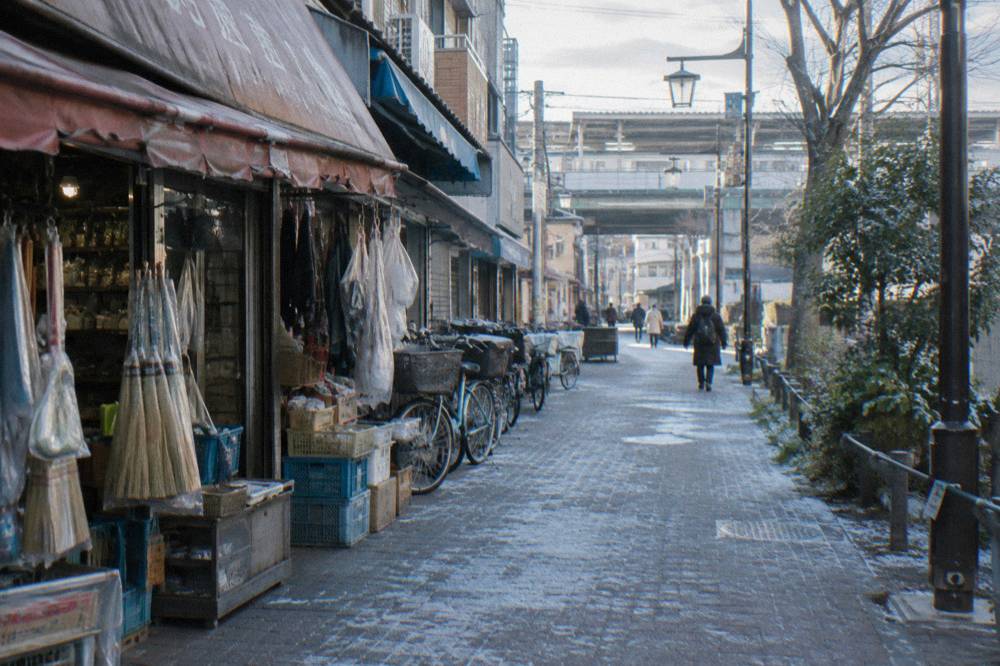
Yanaka Ginza, the stepped shopping street at the district's heart, is a walking section on most tours. Riders dismount and walk their bikes, which is both the law and good manners on a street that narrow. The street's snack stalls are general colour: buy what appeals, carry the wrapper, and use a bin. No named shops or prices belong here, and tastes vary anyway.
The temple row and the adjacent cemetery paths are the atmospheric high point. Guides on history-focused rides explain the district's survival, why the temples cluster here, and how the fire and earthquake history of Tokyo spared this one hillside. The cats appear on the cemetery margins. Give them space, keep your hands to yourself, and let them come to you if they choose.
Riders who fall for the area's rhythm often extend the day. The e-bike alternative below starts near a station and covers local-life Tokyo, 3 hours, 4.9 from 753 reviews, from $63.48 with bike, helmet and guide included; food and drinks are self-pay at shops along the way.
Is this old-town circuit worth the money compared with simply renting a bike and following a map? That question is worth a direct answer, and a full treatment lives in the article is a Tokyo bike tour worth it, but the short version for Yanaka is that the district rewards interpretation. The lanes look similar to an untrained eye; a guide turns them into a narrative.
How Hard Is Cycling In Yanaka?
Cycling Yanaka is beginner-friendly but not flat. The district sits on a plateau edge, so rides mix level shopping streets with short climbs to the temple ridge, which is exactly why the flagship history ride uses e-bikes. Distances are modest, roughly 20 km on the combined old-town circuits, traffic is light on the lanes, and every tour listed here supplies the bicycle.
An e-bike removes nearly all the difficulty. The Old Town History Ride includes electric assist as standard, and the Local Life E-Bike and Hidden Gems rides do the same. Riders who prefer a regular bicycle are well served too: the Small-Group Long City Ride, the Great Cycling Tour and the Backstreets rides all use standard non-electric bikes, and their itineraries are paced for them.
Confidence matters more than fitness. Tokyo's cycling culture mixes riders, pedestrians and cars in close quarters, and the Tokyo bike tour for beginners guide covers the handling skills that matter: slow-speed control, dismounting at crossings, and riding predictably. Families should read the Tokyo bike tour with kids guide before booking; child seats and trailer options vary by operator and are confirmed on each booking page, not assumed.
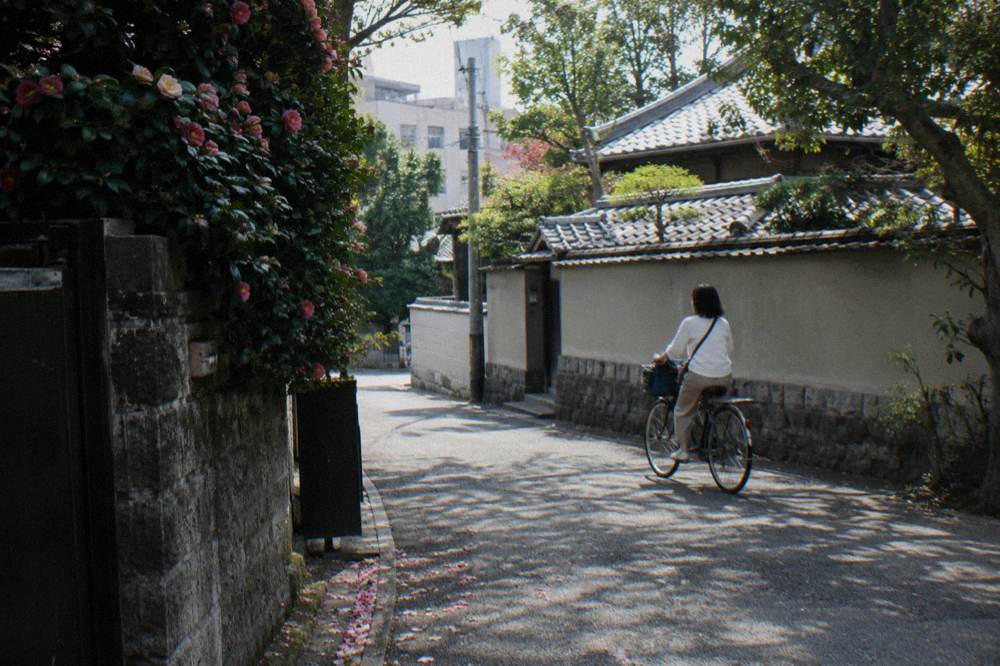
One honest caveat: hill starts on a loaded non-electric bike are the single hardest moment most beginners meet here. The climbs are short, tens of metres rather than kilometres, but they come without warning as you turn onto the ridge lanes. Walk the bike if a climb looks busy; that is normal behaviour in Tokyo and nobody judges it.
What Do The Rules Require When Cycling In Tokyo?
Tokyo requires cyclists to ride on the left of the roadway by default, carry liability insurance under a metropolitan ordinance, ride with a light at night, and from 1 April 2026 face fixed fines from 3,000 to 12,000 yen for violations under the new blue-ticket system, which applies to riders aged 16 and over, tourists included. Helmets use is an effort obligation for all ages, with no fine attached.
The rule set is compact but strictly enforced in spirit, and the police publish it clearly. The Tokyo Metropolitan Police bicycle rules page covers the defaults: roadway riding on the left, sidewalks only where signed or for riders under 13 or over 70, no riding two abreast, lights on after dark. The blue-ticket regime adds fixed fines, with the amounts below verified from the police rule book.
| Violation | Fixed fine (yen) |
|---|---|
| Holding a phone to talk or watch while riding | 12,000 |
| Ignoring a traffic signal | 6,000 |
| Riding against traffic | 6,000 |
| Riding two abreast | 3,000 |
| Carrying a passenger | 3,000 |
| No light at night | 5,000 |
| Riding with an umbrella or earphones in both ears | 5,000 |
Officers normally give guidance and a warning first, with tickets reserved for malicious or dangerous riding, and the MPD English traffic rules page confirms the system applies to overseas visitors. Two rules matter disproportionately on a Yanaka ride: dismount zones on narrow shopping streets, and the pedestrian priority rule on any signed sidewalk you use to bypass construction.
Insurance is the quiet one. Since April 2020 a Tokyo ordinance requires every cyclist in the prefecture to hold bicycle liability cover, and the official visitors' guide states plainly that this also applies to tourists from overseas. On a guided tour the operator's rental insurance covers your use of their bike, and rental businesses are obliged to tell renters what the insurance covers, so ask the guide at the start rather than assuming. The full legal picture, including the helmet effort obligation, is laid out in the Japan cycling rules for tourists guide.
- City Bike Tours$32.39
- Private Tours$45.35
- Night Rides$55.06
- E-Bike Tours$61
- Day Trips By Bike$76
When Is The Best Season For A Yanaka Ride?
The most comfortable seasons are late March to April and October to early December: dry, mild, and in spring framed by cherry blossoms that reached first bloom on 19 March and full bloom on 28 March in Tokyo in 2026, five and three days ahead of the 30 year normals. Autumn brings the deepest reds around late November. Midsummer heat and the October rain peak are the two windows to treat with care.
The Japan Meteorological Agency's 1991 to 2020 normals for the Tokyo station give the hard numbers behind that advice. October is actually the wettest month of the Tokyo year, a fact that surprises visitors who associate autumn travel with clear skies, and September is a close second. The driest months are February, December and January.
| Month | Mean temp (C) | Mean daily high (C) | Rainfall |
|---|---|---|---|
| January | 5.4 | 9.8 | Low |
| March | 9.4 | 14.2 | Moderate |
| April | 14.3 | 19.4 | Moderate |
| June | 21.9 | 26.1 | High |
| August | 26.9 | 31.3 | Moderate |
| October | 18.0 | 22.0 | Wettest month of the year |
| November | 12.5 | 16.7 | Low |
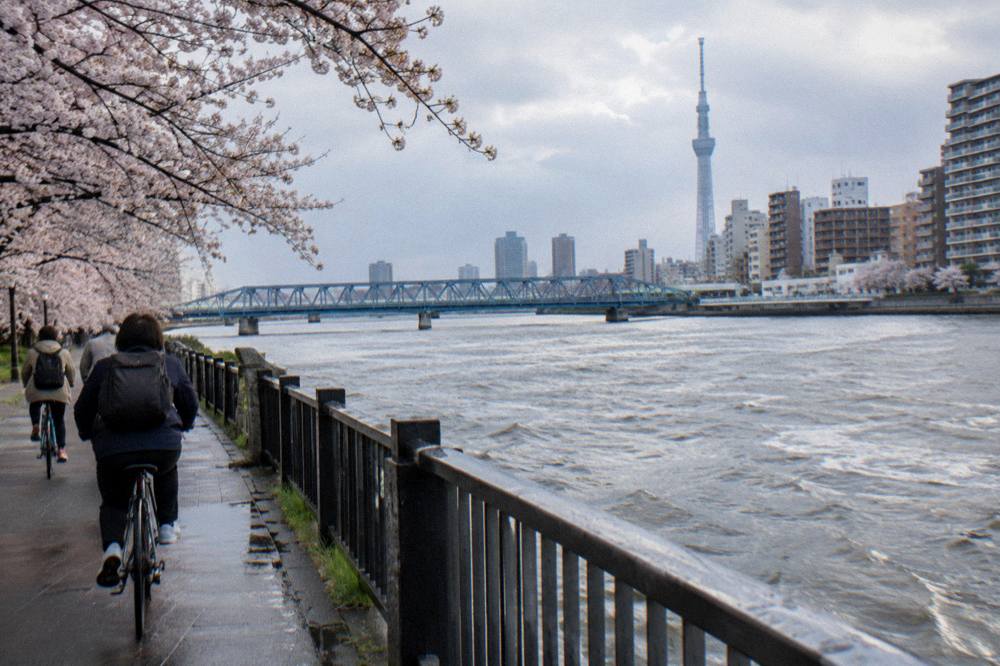
Blossom season deserves a special mention for this district, because Yanaka's cemetery and temple rows are among the city's quieter hanami settings. The Tokyo cherry blossom bike tour guide covers the blossom ride in full; the timing takeaway is that Tokyo's full-bloom normal sits around 31 March, and in 2026 it arrived on 28 March. For a fuller seasonal breakdown see best time to cycle in Tokyo, and for the wet-month contingency, the Tokyo cycling in rain guide is honest about what the wettest month of the Tokyo year actually feels like: not constant rain, but a real chance of it on any given day. Once you've settled on a season, the guide to Japan's most famous bike rides takes you from Tokyo's riverside levee paths to coastal day trips you can actually book.
What Does A Yanaka Area Ride Cost Compared To Other Tokyo Tours?
Old-town guided rides cluster between $46 and $107 per person. The Yanaka-facing history ride costs from $61.54; the cheapest guided options in the city start at $32.39 for a 5 hour history ride with only 4 reviews so far, and the premium private e-bike tours run from $129 to $156.77 per person with totals that depend on group size.
Price tracks three variables: duration, group format and bike type. The table below places the old-town options in the wider price ladder, using only figures from the booking pages, all per person.
| Tour | Duration | Price from (pp) | Format |
|---|---|---|---|
| Certified Guide, 5-Hour History Ride | 5 hours | $32.39 | Group, 4 reviews |
| 80-Minute Shibuya Ride | about 80 minutes | $46 | Group, max 5, 5 reviews |
| Old Town History Ride, Regular Bike | 3 hours | $61.54 | Group, max 6 |
| 3-Hour Highlights, Bike or E-Bike | 3 hours | $61.54 | Group, 4.9 from 980 reviews |
| West-Side Cycling With Food Stops | 3 hours 30 minutes | $106.89 | Group, max 8, total depends on group size |
| Private E-Bike From Your Hotel | 3 hours | $156.77 | Private, total depends on group size |
Two reading notes. A low price with a tiny review pool is a different product from a low price with a proven one: the $32.39 history ride has 4 reviews, which is stated here plainly rather than dressed up, and the $46 Shibuya ride has 5. Neither carries a star claim because the pools are too small to mean anything yet. Second, the listings that say the total depends on group size mean exactly that; the per-person from-price is real, but the party size changes the final figure, so confirm on the booking page before budgeting.
What you get for the money on the old-town rides is consistent across the list: bicycle included, helmet included on the history ride, guide included, and free cancellation unless a listing says otherwise. The Hidden Gems Ride at $63 carries free cancellation like every tour compared here: cancel up to 24 hours in advance for a full refund, so you can book a date without worry.
Should You Book A Guided Tour Or Ride Yanaka Alone?
Guided suits first-time visitors, anyone who wants the history explained, and riders who prefer company and a fixed route; independent riding suits confident cyclists who already know Tokyo's rules and want to set their own pace. The history ride at from $61.54 with a 6 rider cap and free cancellation is the low-risk guided choice, while a share bike or rental plus a route plan is the budget independent alternative.
Whichever style you pick, the guide to fitting a bike day into a Tokyo trip shows how to shape the rest of your schedule around the ride.
The guided case rests on interpretation and logistics. Yanaka's story is its value, and a guide supplies it; the bike, helmet and insurance come arranged; and the group cap keeps the ride inside lanes that defeat larger parties. Free cancellation on most old-town listings removes the scheduling risk.
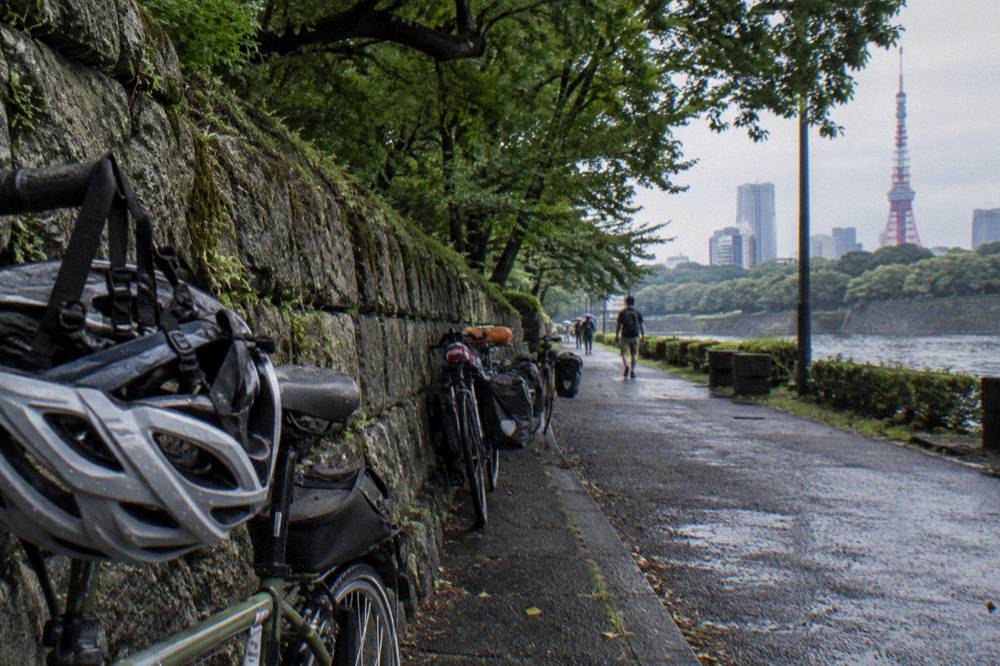
The independent case rests on cost and freedom. Docomo Bike Share, the city's main share system, charges 165 yen per 30 minutes on one-time use, with a 1-day pass at 1,650 yen bought at a convenience store, according to its official price page; rental businesses must insure your ride under the Tokyo ordinance, and share bikes carry their own arrangements, so confirm coverage in the app. The trade is navigation and rules knowledge: read the cycling in Tokyo guide and the Tokyo cycling routes overview before deciding, and the bike rental in Tokyo guide covers the shop option in detail.
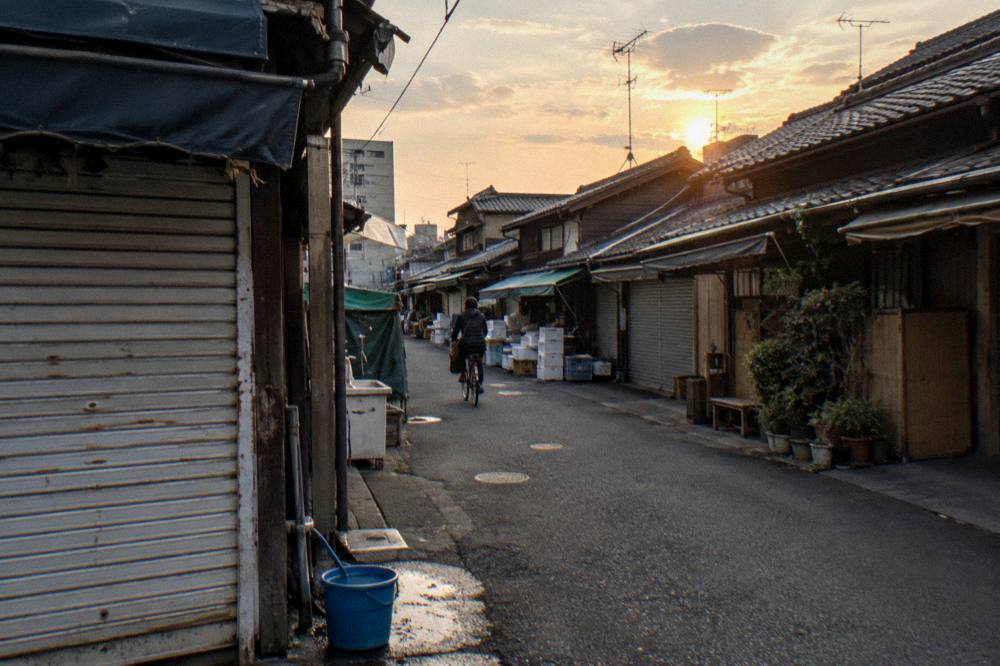
A middle path suits many riders: one guided tour on the first day to learn the rules and the geography, then an independent ride later in the trip using the same confidence. Riders who take that path usually start with a compact guided loop and finish with the backstreets ride, 4.9 from 124 reviews, from $77.74 with a group of at most 6.
Whatever the format, the district delivers the same core promise: an hour in Yanaka shows more of prewar Tokyo than a week in Shinjuku. Few capitals keep a district like this reachable by bicycle from their centre, and that combination, old streets plus easy pedalling, is what a Tokyo Bike Tours style visit to Yanaka is really selling.
For a final comparison, the cards from earlier: the history ride for the old town itself, the flexible small-group city ride for a longer or shorter day, and the food-focused west-side tour for a different neighbourhood flavour.
Common Questions About A Yanaka Bike Tour
What Is A Yanaka Bike Tour?
A small-group guided bicycle ride, usually 3 to 6 hours, through the Yanesen old-town area of Tokyo, linking Yanaka's lanes and temples with Ueno, Nezu and sometimes Asakusa on circuits of roughly 20 km.
How Much Does A Yanaka Bike Tour Cost?
The Yanaka-facing Old Town History Ride, Regular Bike costs from $61.54 per person for 3 hours. Old-town guided rides across the city generally run from about $46 to $107 per person, while private e-bike tours run higher with totals that depend on group size.
Is Yanaka Good For Beginner Cyclists?
Yes, with two caveats: the district sits on a plateau edge so short climbs appear without warning, and the lanes are narrow enough that most tours cap groups at 6. E-bike tours remove most of the difficulty.
Will I See Cats On A Yanaka Bike Tour?
Quite possibly, since the temple cemeteries host a resident cat population, but no tour guarantees sightings and the animals should be observed from a distance rather than approached or fed.
When Is The Best Time Of Year To Cycle In Yanaka?
Late March to April for cherry blossoms, and late autumn for colour and mild temperatures. October is statistically Tokyo's wettest month in the 30 year normals, so pack a rain plan for that month.
Do Tokyo Cycling Rules Apply To Tourists?
Yes. Tokyo's blue-ticket fixed fines, from 3,000 to 12,000 yen for violations, apply to riders aged 16 and over including overseas visitors, and the city's liability insurance ordinance applies to tourists as well, though a guided tour's rental insurance typically covers your ride.