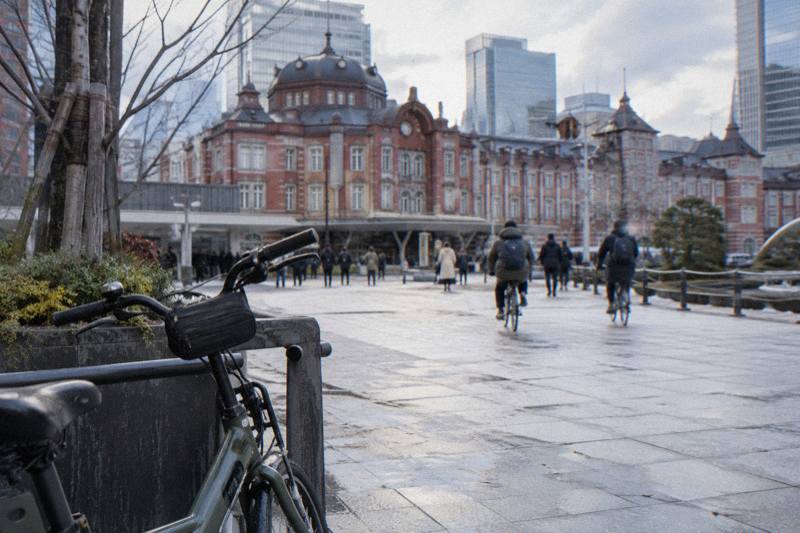
Mamachari: The Everyday Japanese Bicycle And How To Ride One
The mamachari is the upright, basket-equipped bicycle you will see outside every Tokyo supermarket and school gate. This guide explains what it is, why Japan rides it, how it handles, and the rules that apply the moment you push off.
Short answer
A mamachari is a step-through city bicycle with a front basket, integrated lock and often a child seat, built for short errands rather than speed. Tokyo's guided rides use regular non-electric bikes from about $46 to $107 per person, and the same traffic rules apply whether you ride a borrowed mamachari or a tour bike.
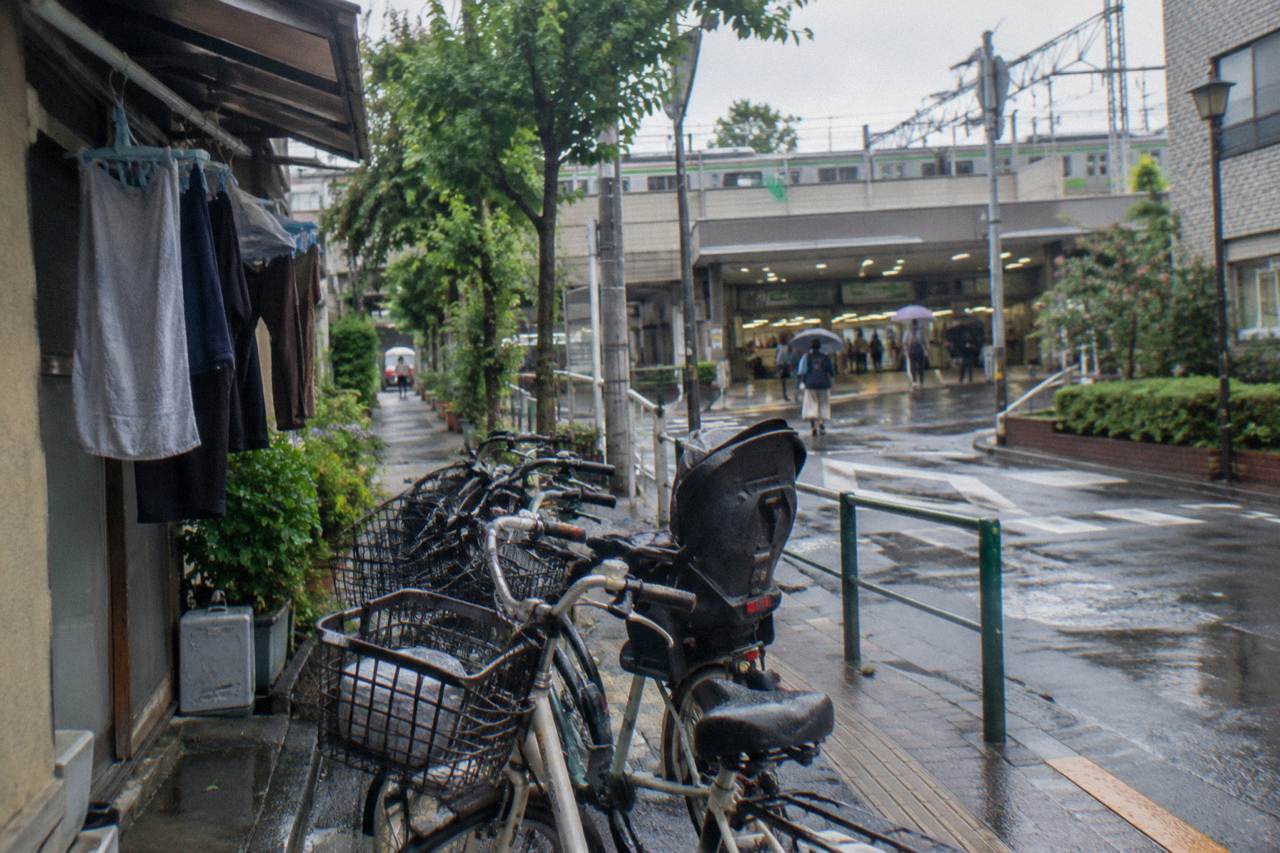
Walk down any residential street in Tokyo at eight in the morning and you will hear a mamachari before you see one: the tick of a coaster brake, a bell rung twice, a parent in a raincoat pedalling a child to school with shopping bags swinging in the front basket. The word itself is a contraction of "mama" and "chariot", and the machine it names is the single most ordinary object in Japanese daily life, an upright, step-through city bicycle that has barely changed shape in forty years because it has never needed to.
Visitors notice them immediately and then, usually, misread them. A mamachari is not a rental beach cruiser and it is not a toy. It is a working tool, designed around a skirt, a bag of groceries, a wet road and a two-minute ride to the station. Understanding what it is, and why an entire country standardised on it, tells you a great deal about how cycling in Tokyo actually works, and it changes how you read the guided tours too. This guide from Tokyo Bike Tours covers the machine itself, the rules that apply to it, and where it sits next to bike share and the guided rides you can book.
What Is A Mamachari And Why Is It So Popular?
A mamachari is a Japanese city bicycle with a step-through frame, an upright riding position, a front basket, a built-in lock and a full chain guard, usually single speed or three speed, and frequently fitted with one or even two child seats. It exists because Japanese daily cycling is short, flat, errand based and done in ordinary clothes, so it optimises for convenience and skirt-friendly mounting rather than speed.
- City Bike Tours$32.39
- Private Tours$45.35
- Night Rides$55.06
- E-Bike Tours$61
- Day Trips By Bike$76
The step-through frame is the defining detail. You swing a leg through, not over, which matters if you are wearing a suit, a skirt or holding a bag. The handlebars sit high and swept back so you ride upright with weight off your wrists and a clear view over traffic. The front basket, typically a sturdy wire or moulded plastic tub bolted to a purpose-built rack, swallows a supermarket run. The chain guard keeps trouser cuffs clean, the integrated ring lock or cable means you never carry a lock, and the dynamo or battery lights are part of the bike, not an accessory you forget.
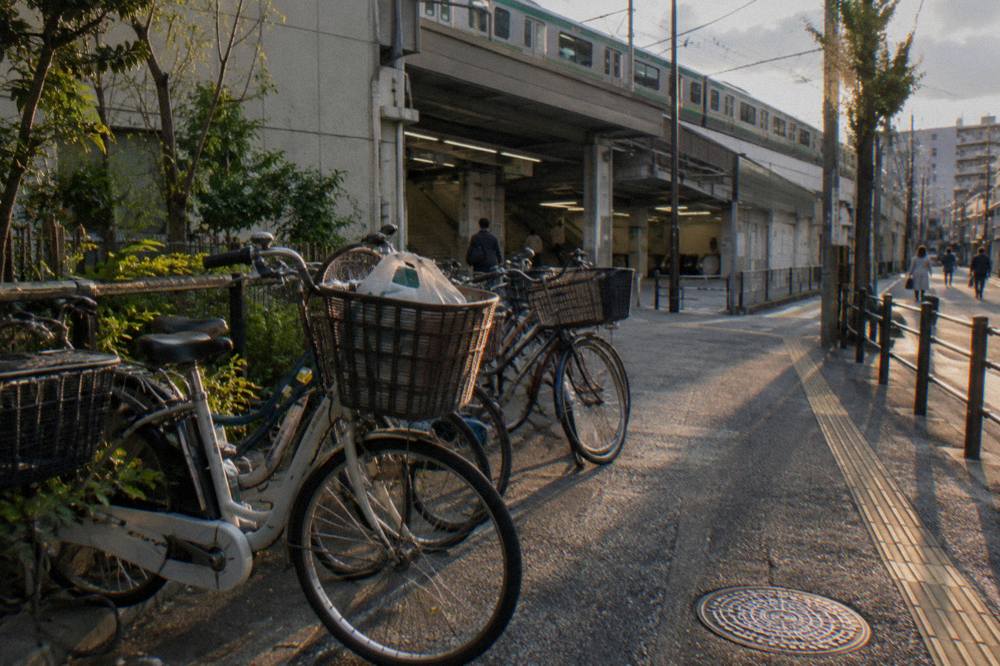
Most mamachari run a single gear or a three-speed hub with a coaster or roller brake, which works because Tokyo's residential terrain is flat and the rides are short. Tyres are modest, seats are wide and sprung, and the whole bike weighs enough that nobody races one. That is the point. The design brief was never performance. It was a machine that a person in office clothes can leave outside a convenience store in the rain, unlocked beyond the built-in lock, and trust to start again.
The popularity also feeds itself socially. Because everyone has one, the infrastructure grew around them: covered parking at stations, bicycle lanes on major streets, police guidance written with them in mind, and share schemes such as Docomo Bike Share whose fleet bikes are, functionally, mamachari with electric assist. The official GO TOKYO guide for visitors treats the bicycle as a normal part of getting around, not a novelty, precisely because the mamachari made it one.
To place the machine next to what you might actually ride on a visit, here is a plain comparison.
| Feature | Mamachari | Share bike (Docomo) | Guided tour bike |
|---|---|---|---|
| Frame | Step-through, upright | Step-through, upright, electric assist | Upright city bike, regular or electric |
| Gearing | Single or three speed | Electric assist, multiple gears | Varies by operator |
| Basket | Standard front basket | Front basket | Varies, often a basket or bag |
| Lock | Built-in | Dock-locked at stations | Handled by the operator |
| Typical ride | Errands, 5 to 20 minutes | Station to station hops | 2 to 6.5 guided hours |
| Cost basis | Owned, cheap | 165 yen per 30 minutes, from 1,650 yen a day | From $32.39 to $106.89 per person |
What Is The Most Popular Bicycle In Japan?
The most popular bicycle in Japan is the mamachari in its everyday form, the upright city bike with a basket, seen outside every station, school and supermarket in the country. No verified national statistic pins an exact share, and none is needed: the evidence is visual and overwhelming, from central Tokyo to regional towns, the step-through city bike outnumbers every other type on ordinary streets.
If that sea of everyday bicycles makes you want to ride some of the country yourself, this comparison of guided bike tours beyond Tokyo explains where the rides run and what each day trip covers.
Ask the question a different way and the answer shifts slightly by context. On commuter routes and share docks, the electric-assist city bike now dominates, and Docomo Bike Share's Tokyo fleet, priced officially at 165 yen per 30 minutes with a 1,650 yen day pass, is essentially a mamachari with a motor. In parks on Sunday mornings you will see road bikes and minivelos among the cherry viewers. But for transport, which is what most cycling in Japan is, the step-through basket bike is the default the way the sedan once was in America.
If your visit is short and you want to ride that same street-level Tokyo rather than just identify it, a guided ride is the fastest route in, and these three options span the range from full-day traditional to a flexible highlights loop.
The Small-Group Long City Ride from Bicycle Tours Tokyo caps its group at five, includes the bike and helmet, and is rated 5.0 across 1,308 reviews, from $106.89 per person with free cancellation per the listing. The Full-Day Traditional Ride from BREZZA covers about 20 km and starts from $97, rated 4.8 across 139 reviews. The 3-Hour Highlights, Bike or E-Bike option from TRB BIKE TOUR starts from $61.54, rated 4.9 across 980 reviews, and lets each rider choose a regular or electric bike, which is a useful way to feel the assist question for yourself.
Where Can You See Or Ride A Mamachari Around Tokyo?
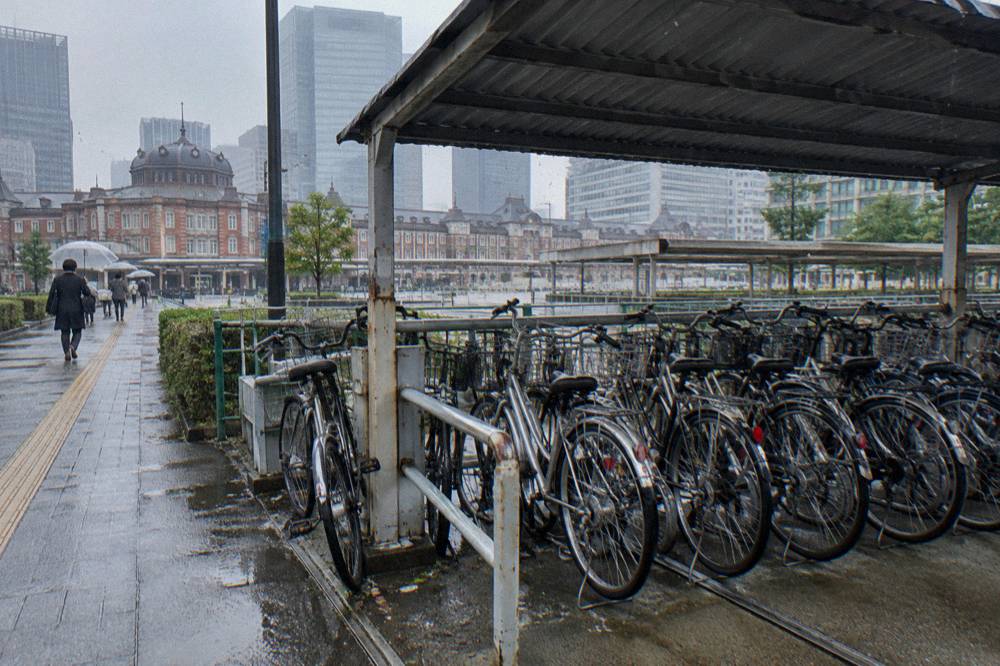
The densest mamachari sightings are around residential shopping streets and station entrances: Yanaka's Yanaka Ginza lane, the arcades near Ueno, temple approaches in Asakusa, and every covered station bike parking lot, which often holds hundreds in ranked rows. Riding one as a visitor usually means either a rental shop, a share dock with electric-assist city bikes, or a guided tour whose fleet is the same upright style.
Yanaka is the classic neighbourhood to see them in their natural habitat, a low-rise old quarter where the bicycle is simply how people move; the route guides describe backstreet loops through it. Asakusa and the Sumida river paths add the tourist layer, with rental bikes and share docks clustered around the temple quarter. For a sense of scale, find any station's bicycle parking: the rows of identical step-through frames, often hundreds deep, are the clearest picture of how mainstream the machine remains.
Riding one yourself splits into three doors. A rental shop gives you the machine itself; see the separate bike rental in Tokyo guide for how that works. A share scheme gives you its electric cousin, dock to dock. A guided tour gives you a similar upright bike plus a route and a guide who handles the rules, which matters if you have never ridden on the left through a Tokyo intersection. On that point, the Flexible 3-6 Hour Small-Group Ride, from $64.78 per person and rated 4.9 across 212 reviews, is a low-commitment way to test the water, with the group capped at eight and the bike included.
For a first ride with local flavour rather than pure transport, the food-focused option below adds stops to the pedalling, which is arguably the most mamachari-spirited way to tour, since the basket bike was built around shopping.
Curious whether a guided version beats going alone? The tour-versus-rental trade-offs are covered in detail in the bike rental guide, but the short version is that a guide buys you route knowledge and rule fluency, both genuinely useful on a first Tokyo ride.
How Does A Mamachari Feel Different To Ride?
A mamachari feels slow, stable and unhurried: the upright position puts your weight on the saddle, the high bars make steering light and vague compared with a drop-bar bike, the single gear limits you to a relaxed cadence, and the coaster or weak front brake means you plan stops early. Riders used to road bikes adapt in minutes, but the first few intersections feel comically calm.
The geometry is the main adjustment. With the bars at or above saddle height and swept back toward you, your hands rest rather than steer, and the bike tracks lazily. Braking is the other surprise: many mamachari brake through the rear coaster pedal pressure or a small roller, so stopping distances are longer than any bike you have ridden recently. The saddle is wide, the tyres are narrow-ish and hard, and together they communicate every pavement joint, which is fine at errand pace and tiring over distance.
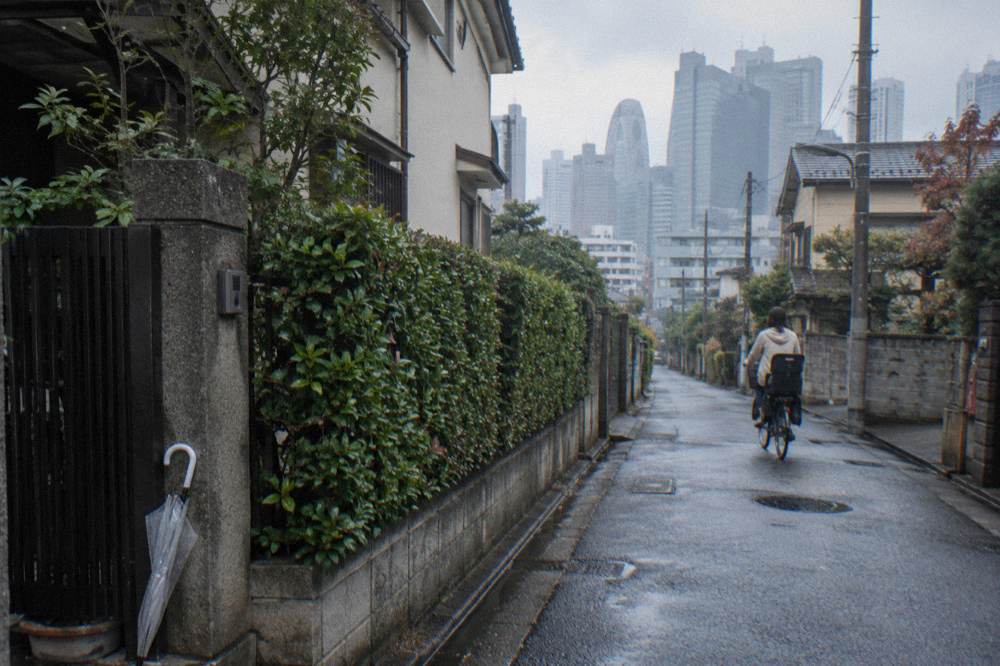
Load carrying changes the feel more than new riders expect. A full front basket lightens the steering noticeably, and a child seat, front or rear, shifts balance further. Experienced mamachari riders compensate without thinking. First-timers should keep loads light and low. This is one reason guided tours hand you an empty bike and a guide: the machine is easy, the loaded version takes a day of practice.
Electric-assist versions, which is what the share docks carry, close most of these gaps. The assist on a Docomo or HELLO CYCLING bike cuts in as you pedal and makes headwind, hills and a loaded basket nearly disappear. Several tours offer the same choice: the 3-Hour Highlights, Bike or E-Bike ride lets each rider pick, and the broader comparison of assist versus regular bikes is covered in the e-bike or regular bike in Tokyo guide if you are weighing it for a longer ride.
What Rules Apply When You Ride Any Bicycle In Tokyo?
In Tokyo every bicycle counts as a light vehicle, so you ride on the roadway, keep to the left, and switch on lights after dark. From 1 April 2026, riders aged 16 and over face blue-ticket fines of 3,000 to 12,000 yen for violations such as phone use, red lights, or riding two abreast; helmets are a no-fine effort obligation, and Tokyo ordinance requires liability insurance, for visitors and borrowed mamachari alike.
The Tokyo Metropolitan Police publish the detail in English, and their English traffic rules page states plainly that overseas visitors are issued tickets for traffic offences. Officers normally begin with guidance and a warning rather than a fine; enforcement targets malicious or dangerous riding. The MPD bicycle rules page covers the roadway-first principle, sidewalk exceptions, lights and the tandem allowance that now applies across Tokyo.
The fine amounts are fixed and worth knowing before you push off.
| Violation | Fixed fine (yen) |
|---|---|
| Holding a phone to talk or watch while riding | 12,000 |
| Riding through a red signal | 6,000 |
| Riding against traffic / wrong side | 6,000 |
| Entering a closing railway crossing | 7,000 |
| No light at night | 5,000 |
| Umbrella held while riding, or earphones blocking sound | 5,000 |
| Riding two abreast | 3,000 |
| Carrying a second adult passenger | 3,000 |
Tokyo Guided Bike Tour Starting Prices
Per-person starting prices from the tours listed in this mamachari guide
Three of these bear directly on mamachari habits. The umbrella fine targets exactly the rainy-day one-handed riding the bike's practical image suggests; Japan's riders use rainwear instead. The passenger fine has child-seat exceptions, which is why the two-child mamachari is legal while carrying a friend is not. And the sidewalk rule surprises visitors: riding on the sidewalk is permitted only where signed, or for riders under 13 or over 70, and where sidewalk riding is allowed you must slow to near walking pace and give way to pedestrians. The full picture for visitors, including the helmet and insurance detail, is in the Japan cycling rules for tourists guide.
Insurance deserves one clear sentence: rental businesses in Tokyo must insure the hirer's use and tell renters what the insurance covers, so on a guided tour or rental this is handled for you. The MPD maintain a dedicated bicycle liability insurance page for the ordinance requirement.
How Does A Mamachari Compare With Tokyo Bike Share?
A share bike is a mamachari with electric assist and a dock: upright, basket-equipped, and built for the same short trips, but locked to a station network rather than parked anywhere, metered per 30 minutes or capped by a day pass, and returned by app. Docomo Bike Share charges 165 yen per 30 minutes one-time, 1,650 yen for a day pass bought at a convenience store, and requires return to a bike station.
The honest comparison is about freedom versus friction. Your own or rented mamachari parks where you end up. A share bike must go back to a dock, with extension fees running if you leave it outside one, but needs no lock, no maintenance and no deposit beyond app registration with a credit card. For a visitor doing three or four short hops between neighbourhoods in a day, the day pass is usually the cleaner deal; the mechanics and pricing are laid out in the Tokyo bike share guide.
| Mamachari (rented or borrowed) | Docomo Bike Share | |
|---|---|---|
| Assist | None | Electric assist |
| Return | Park where allowed | Must return to a bike station |
| Cost | Set by the shop, per day | 165 yen per 30 min, 1,650 yen day pass |
| Lock | Built-in | Dock-locked |
| Best for | Wandering, one neighbourhood | Point to point hops |
A guided tour is the third column of that comparison and often the best first one, because the guide absorbs both the rules and the routing. The 4-Hour Downtown Backstreets Ride from Tokyo Backstreets Bike Tour, from $77.74 per person and rated 4.9 across 124 reviews, spends its whole route in exactly the low-rise lanes where a mamachari is the natural machine, with the group capped at six.
For a half-day that mixes riding with eating, West-Side Cycling With Food Stops from DIG Tokyo Tours starts at Koenji Station, runs 3 hours 30 minutes, and is rated 5.0 across 223 reviews, from $106.89 per person with the total depending on group size. Koenji's shotengai arcades are close to pure mamachari country, so the format fits the subject.
How Do Tokyo Families Use Mamachari Every Day?
Tokyo families treat the mamachari as a two-child school-and-shopping shuttle: one child seat on the front bar or over the rear rack, sometimes a second behind, rain covers in winter, and short fixed loops between home, school gate and supermarket. The design, the flat terrain and covered station parking all support it, and the law allows child-seat passengers while fining adult passengers at 3,000 yen.
The morning school run is the ritual to watch. Between 7:30 and 8:30 on any weekday, residential streets fill with parents pedalling upright bikes, front seat carrying a toddler, rear seat carrying a backpacked six-year-old, bell used generously at blind corners. By nine the machines vanish into school-gate parking and station lots. It is the single best window for understanding why the bicycle never needed to be fast here: the trips are under ten minutes, the cargo is precious, and the machine is trusted.
Visitors riding with their own children have gentler options than a loaded mamachari, and the family-friendly touring choices, including which rides suit which ages, are covered in the Tokyo bike tour with kids guide. For adults, the point stands on its own: the mamachari earned its place by being the safest, calmest way to move a small family a short distance, and no e-bike or road bike has displaced it from that job.
Should You Book A Guided Ride Instead Of Riding Solo?
Booking a guided ride suits first-time visitors, anyone unsure about riding on the left under new fine rules, and riders who want route knowledge without research; going solo with a rental or share bike suits confident cyclists making short fixed trips. Guided city rides run from $32.39 to $106.89 per person, bikes and guides are included, and free cancellation applies per the listing on nearly all of the options covered here.
If you want a guided route through Tokyo's old lanes rather than its busy arterials, the guide to a Yanaka bike tour explains which rides reach the old town and how the seasons shape the trip.
The rule argument is the strongest one. A guide who rides Tokyo daily models the correct behaviour without lecturing: where to take the lane, when to yield on a signed sidewalk, how a station forecourt works. The Small-Group Long City Ride pairs that with the smallest group on the list, a maximum of five, meeting at Tokyo Opera City Sankun Garden, rated 5.0 across 1,308 reviews and from $106.89 per person. You can check availability alongside the detailed ride overview.
Solo riding, by contrast, is genuinely pleasant once the rules are internalised, and a share day pass plus a riverside stretch is a fine second day. The trade-off is entirely about confidence on day one, not about capability.
If a full day sounds like too much, the shorter options in the band below cover the same backstreets in three hours.
Common Questions About The Mamachari
What Is A Mamachari And Why Is It So Popular?
It is a Japanese city bicycle with a step-through frame, upright bars, a front basket, a built-in lock and a chain guard, often fitted with child seats. It is popular because Japanese daily cycling is short, flat and done in ordinary clothes, so a low-maintenance, skirt-friendly, cargo-carrying bike beats anything faster.
What Is The Most Popular Bicycle In Japan?
The upright step-through city bike, the mamachari itself, outnumbers every other type on ordinary streets, from Tokyo to regional towns. Electric-assist versions now dominate the share docks, but they are functionally the same machine with a motor.
Can Tourists Ride A Mamachari In Tokyo?
Yes, through a rental shop, an electric-assist share bike at a dock, or a guided tour whose fleet uses the same upright style. The traffic rules, including the blue-ticket fines and the insurance ordinance, apply to visitors on any bicycle.
Is A Mamachari Hard To Ride If You Are Used To A Road Bike?
No, but it feels different. The upright position is comfortable, steering is light, and the single gear or three-speed hub limits speed. The main adjustments are the longer braking distances and the changed balance when the front basket is loaded.
Do You Have To Wear A Helmet On A Mamachari In Tokyo?
Helmets are an effort obligation for every age in Japan, meaning riders should wear one, but there is no fine. Most guided tours include a helmet in the price, and rental and share bikes generally expect you to supply your own.
Is Riding On The Sidewalk Allowed?
Only where a sign permits it, or for riders under 13, over 70, or with a disability, or when road conditions make the roadway unsafe. Where sidewalk riding is allowed, you must ride slowly near the roadway side and give way to pedestrians.