Is A Tokyo Bike Tour Worth It?
A research-based answer to whether a guided bike tour in Tokyo is worth the money, with prices, durations, review counts and who each type of ride suits.
For most first-time visitors, yes: a guided bike tour in Tokyo is worth it, because it converts six hours into roughly 20 kilometres of backstreets, riverside paths and shrine districts that a walker covers in two days. Prices start at $51.82 per person, bikes and guides are included on nearly every option, and the strongest rides carry four-figure review pools you can judge them by.
The case for a tour rests on efficiency and access rather than novelty. Tokyo rewards movement between districts: Asakusa's temple streets, the Imperial Palace moat, the Sumida river paths and the Yanaka lanes sit kilometres apart, connected by a rail network that works beautifully but keeps you underground between stops. A bike puts the city at street level the whole way, and a guide keeps you off the roads where that would be stressful.
The counter-case is real too. Confident riders who already know the rules of the road in Japan can rent independently, and the bike-share systems make that cheap. The question of who falls into which camp deserves its own look further down this page.
Start with the strongest evidence. The Small-Group Long City Ride from Bicycle Tours Tokyo caps its groups at five riders, includes bike and helmet, meets at Tokyo Opera City Sankun Garden, and is rated 5.0 across 1,308 reviews, from $106.89 per person. That is the most reviewed ride in the city and the standard against which the alternatives measure themselves.
What Does A Tokyo Bike Tour Cost?
Most guided rides in Tokyo cost between $51.82 and $106.89 per person, with the median three-hour tour landing near $61.54. Every price is a "from" figure on a per-person basis, bikes are included across the board, and the total for group-size-dependent tours shifts with headcount, so the booking page is the final word.
Here is how the main options stack up, using each tour's own published figures.
| Tour | Duration | Price from (per person) | Rating | Group max |
|---|---|---|---|---|
| Small-Group Long City Ride | 6h 30m | $106.89 | 5.0, 1,308 reviews | 5 |
| 6-Hour Full City Ride | 6h | $97.17 | 4.9, 842 reviews | 12 |
| West-Side Cycling With Food Stops | 3h 30m | $106.89 | 5.0, 223 reviews | 8 |
| Flexible 3-6 Hour Small-Group Ride | 3 to 6h | $64.78 | 4.9, 212 reviews | 8 |
| 4-Hour Downtown Backstreets Ride | 4h | $77.74 | 4.9, 124 reviews | 6 |
| Shibuya-Harajuku 3-Hour Ride | 3h | $57.01 | 4.8, 57 reviews | 6 |
| 2.5-Hour Central Short Ride | 2h 30m | $51.82 | 5.0, 25 reviews | 6 |
| 3-Hour Highlights, Bike or E-Bike | 3h | $61.54 | 4.9, 980 reviews | Not stated |
| Local Life E-Bike, Starts Near Station | 3h | $63.48 | 4.9, 753 reviews | 6 |
Read the table as a pricing curve rather than a ranking. You are paying for duration, group size and specialisation, in roughly that order. The two cheapest entries, the 2.5-Hour Central Short Ride and the Shibuya-Harajuku 3-Hour Ride, are genuine bargains for a first taste, and the budget floor sits even lower: the Certified Guide, 5-Hour History Ride is from $32.39 per person, though it carries only four reviews so far, too few for a star claim.
Private tours follow a different arithmetic. The Private E-Bike From Your Hotel option from Tokyo Bike Bliss starts at $156.77 per person and is rated 5.0 across 171 reviews, with the total depending on group size. At the other end, Private Highlights E-Bike, Budget runs from $54 per person with a 4.4 rating across 47 reviews. Neither figure should be multiplied by headcount on the back of an envelope; the booking page calculates it.
Food stops are the other price driver. West-Side Cycling With Food Stops, which meets at Koenji Station and is capped at eight riders, costs the same $106.89 as the full-day small-group ride but runs only 3 hours 30 minutes, because you are paying for the eating itinerary as much as the cycling.
How Much Of Tokyo Can You Actually See By Bike?
A six-hour guided ride covers roughly 20 kilometres and stitches together five or six districts, from old-town temple streets to riverside expressways and palace moats. Three-hour versions cover about half that. On foot, the same circuit would demand two full days and several train transfers, which is the real comparison a buyer should make.
The Full-Day Traditional Ride from BREZZA states its distance plainly: about 20 km across the day, rated 4.8 across 139 reviews and from $97 per person with bike, helmet and guide included. Route descriptions from that ride and its peers describe a loop that would be unreasonable to ask of a walker but comfortable on a bike at touring pace, with stops.
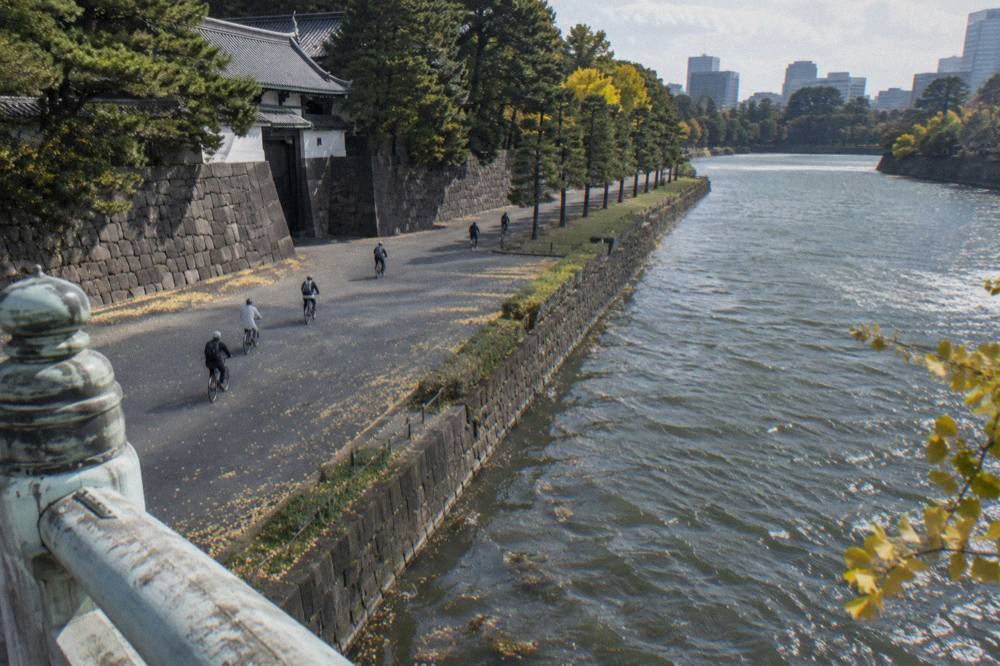
Geography does the heavy lifting. Route guides describe the Sumida river paths linking Asakusa toward the bay, the Arakawa levee running for long traffic-light-free stretches, and the Sunday car-free Palace Cycling segment along the Imperial Palace moat. These are the corridors a good guide exploits, because they let a group cover distance without fighting traffic. The Tokyo Bike Tours library breaks these corridors down one by one, starting with the Sumida River cycling guide and the cycling routes overview.
Density is the second factor. Tokyo's sightseeing clusters are close together at cycling speed, and a guide who knows the cut-throughs turns what looks like a maze of minor streets into a connected network. This is the part independent renters pay for implicitly when they get lost, and it is the part that reviews consistently praise without naming. A rider alone in Yanaka will find the shrine and the shopping street eventually; a guide threads them together with Ueno and Nezu in the same afternoon, and that difference compounds over a whole day.
Who Benefits Most From A Guided Ride?
Guided tours suit first-time visitors, riders uncomfortable with left-side road rules, anyone short on time, and travellers who want the food or history framing a specialist guide provides. Confident, repeat visitors who already know the city's rules can skip the guide and rent instead, and the money saved is modest rather than transformative.
“Loved our bike tour! We learned so much about Japanese culture and the area in general. We ate some yummy food and saw areas we would never find on our own. I highly recommend this trip.”
The strongest single argument for a guide in Tokyo is the road rules, which changed materially in April 2026. The blue-ticket violation system now applies to riders aged 16 and over, including overseas visitors, with fixed fines that include 12,000 yen for holding a phone while riding and 6,000 yen for riding against traffic. The Metropolitan Police English traffic rules page states plainly that tickets apply to tourists, and a guide who rides in front of you all day is effective insurance against the mistakes that trigger them.
The second argument is group-size economics. The Small-Group Long City Ride takes at most five riders. The 6-Hour Full City Ride takes twelve, from $97.17, rated 4.9 across 842 reviews. The Akihabara and Palace E-Bike Loop takes four, from $97.17, rated 5.0 across 65 reviews. Small caps mean questions get answered and the group moves at one pace, which matters more on a six-hour day than on a two-hour spin.
The 6-Hour Full City Ride above is the natural pick for visitors who want the maximum district count without the premium price of the five-rider cap, and its 842-review pool makes it one of the safest bookings in the city.
Families and beginners have their own answer here, and the site covers it in depth in the beginners' guide and the kids' tour guide. Helmets are an effort obligation for every age rather than a legal mandate, per the police helmet guidance, and nearly every tour on the market includes one anyway, which removes a decision from the renter's plate.
Bike Tour Or Renting On Your Own: Which Is Better?
Renting is cheaper, roughly 165 yen per 30 minutes on the Docomo bike-share system or a flat day pass at 1,650 yen, versus $51.82 to $106.89 for a guided tour. But renting buys no route knowledge, no guide, no liability framing and no helmet, and a wrong turn into a pedestrian-only street is your mistake alone. The tour premium is effectively a guide-and-insurance fee.
The share systems deserve their due. Docomo Bike Share covers the central wards with electric-assist bikes, charges 165 yen for the first 30 minutes with extensions at the same rate, and sells a same-day pass for 1,650 yen bought at a convenience store, per its official Tokyo price page. HELLO CYCLING runs a parallel network with per-prefecture pricing in its app. For a confident rider with a mapped route, that is hard to beat on cost.
What the share bike does not give you is the corridor knowledge. The GO TOKYO official cycling guide for visitors is honest about the learning curve of Tokyo's road conventions, and the gap between reading a rules page and riding them is exactly what a guide closes. Rental businesses in Tokyo are also required by ordinance to tell renters what their liability insurance covers, and all 38 tours listed here carry free cancellation per their listings, which a share-bike session does not.
The honest verdict: a tour is worth the premium on a first visit, on a short visit, or on any visit where your goal is understanding rather than transport. Renting wins on the third or fourth trip, or for a rider with a specific point-to-point plan. There is also a middle path worth naming: several operators let the rider choose between a regular bike and an e-bike at the same listed price, so a hesitant cyclist can hedge without booking a separate tour. Everything else covered here is indexed on Tokyo Bike Tours.
| Factor | Guided tour | Independent rental or share |
|---|---|---|
| Typical cost | $51.82 to $106.89 per person, from price | 165 yen per 30 min, or 1,650 yen day pass |
| Bike included | Yes, all listed tours | Yes, share bike or shop rental |
| Helmet included | Yes on nearly all listed tours | Not standard on share bikes |
| Route planning | Done by the guide | Your own research |
| Rules support | Guide rides in front | You carry the blue-ticket risk |
| Cancellation | Free cancellation per listing on most tours | Pass expires; shop terms vary |
| Best for | First visit, short stay, families | Repeat visitors, confident riders |
What Do The Reviews Say?
The review pools on Tokyo's established rides are large and consistently strong: 5.0 across 1,308 reviews for the small-group full-day ride, 4.9 across 980 for the bike-or-e-bike highlights ride, and 4.9 across 753 for the Local Life E-Bike. The common threads reviewers cite are guide knowledge, pace and access to streets they would never have found alone.
Numbers first, because they are the only objective layer. The 3-Hour Highlights, Bike or E-Bike ride from TRB BIKE TOUR, from $61.54 per person and meeting at the Statue of Commodore Perry, carries 980 reviews at 4.9. The Hidden Gems E-Bike from Japan Wonder Travel, 3 to 4 hours from $62.19, carries 895 at 4.9. These are not boutique operations with thin pools; they are the most reviewed rides in the city and they hold their scores.
The 3-Hour Highlights ride above is the pick for a first-time buyer who wants the biggest review pool at the lowest mid-range price, and its bike-or-e-bike choice means the whole party can match the ride to their fitness.
Smaller pools need honest framing. The Old Town History Ride, Regular Bike is rated 5.0 across 16 reviews, from $61.54, and the 2-Hour Night Lights Ride is 5.0 across 31 reviews, from $55.06. Those are excellent scores on small samples, and this page reports them with their counts for exactly that reason. Newer listings, like the Night Ride With Ramen from $84.21 and the Olympic Sites Bay Ride from $48.59, carry no reviews yet, which is a fact rather than a fault, and their prices are correspondingly entry-level.
The pattern across the whole set is stability. Nothing in the established tier scores below 4.6, and the one 4.6 outlier, the Hidden Gems Ride from $63, carries free cancellation like all 38 tours here: cancel up to 24 hours before start for a full refund. A buyer weighing two otherwise similar three-hour rides should read the policy line before the price line, because the flexibility is worth more than a dollar or two of difference.
“Amazing experience biking through the city, neighborhoods, shops and a beautiful cemetery at night. A great way for us to get an overview of a few areas while avoiding day time crowds and heat. Our guide Tai Chi was excellent, pointing out architectural aspects, local food areas, and cultural facts. Very peaceful riding at night. Highlight experience for our family ages 19-69. Loved it!”
When Is The Best Time To Book A Ride?
Spring and late autumn are the best riding windows: Tokyo's mean temperature is 14.3 C in April and 12.5 C in November, with March through May and October through November balancing warmth against rainfall. Summer is rideable but hot, with an August mean of 26.9 C and daily maxima averaging 31.3 C, so book morning or evening departures then.
The climate record from the JMA 1991 to 2020 normals for the Tokyo station is unambiguous about the calendar. September and October are the wettest months at 224.9 mm and 234.8 mm of rain respectively, while December, January and February are the driest, all under 60 mm. Winter riding is cold rather than hostile, with a January mean of 5.4 C, and the tour calendar keeps running.
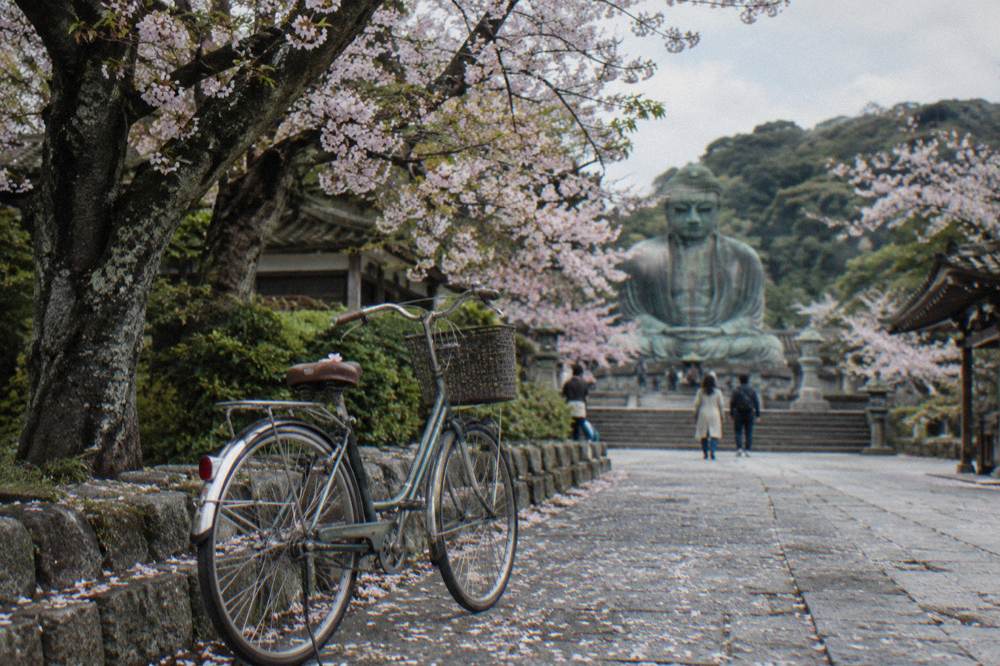
Cherry blossom season is the premium window. JMA first-bloom data puts Tokyo's normal first bloom at 24 March and full bloom around 31 March; in 2026 the city bloomed early, first bloom on 19 March and full bloom on 28 March. The cherry blossom bike tour guide covers which rides chase the petals, and booking early for late March is the one period where demand genuinely tightens.
Is The Price Ever Not Worth It?
A tour stops being worth it in three cases: you have already ridden Tokyo independently, you want a single-neighbourhood deep dive rather than a circuit, or your visit falls on a day of heavy rain with no flexible plans. In each case a cheaper option, a walking focus or a rescheduled date beats the tour.
Repeat visitors are the clearest case. If you have already done the palace-to-Asakusa circuit, the marginal value of a general highlights tour drops sharply, and the specialist options, the West-Side Cycling With Food Stops in Koenji, the Maneki-Neko Cat Temple Ride with its three-rider maximum, or the day trips out to Kamakura and Lake Yamanaka, earn their prices where a highlights loop would not.
Weather is the practical case. The cycling in rain guide covers the judgement call, and the free-cancellation terms on nearly every listed tour mean a wet forecast costs you nothing but a rebooking. The Hidden Gems Ride carries the same free cancellation as every other tour on this page, a full refund up to 24 hours before start, and its 4.6 score is no reflection on the booking terms.
The final tally, then. A Tokyo bike tour is worth it when the city is new to you, when your time is short, and when you would rather spend six hours seeing than two days walking. At $51.82 to $106.89 for most options, with bike, helmet, guide and free cancellation bundled in, the price buys back time at a rate few other city activities match.
Common Questions About Tokyo Bike Tour Value
Is A Tokyo Bike Tour Worth It?
For most first-time visitors, yes. Rides cost from about $51.82 to $106.89 per person, include bike, helmet and guide, and cover roughly 20 kilometres and five or six districts in six hours, ground that would take two walking days. Repeat visitors and confident riders may prefer renting.
How Much Does A Tokyo Bike Tour Cost?
Most guided rides run from $51.82 to $106.89 per person depending on duration and group size. Private e-bike tours in Tokyo start from $45.35 per person. Bike share, the budget alternative, costs 165 yen per 30 minutes or a 1,650 yen day pass.
Are The Bikes And Helmets Included In The Price?
Yes on nearly every tour covered here: the bike is included across the board and helmets are included on most, with a few operators renting them for 1,000 yen in cash instead. Check each tour's inclusions before booking.
Is A Bike Tour Better Than Walking Or The Train?
A bike tour covers in three to six hours what walking covers in two days, and unlike the train it keeps you at street level between sights. The trade-off is physical: expect about 20 kilometres on a full-day ride and basic cycling fitness.
Can I Cancel A Tokyo Bike Tour If The Weather Turns?
Most tours listed here include free cancellation per their listings, so a rain forecast usually costs nothing but a rebooking. The Hidden Gems Ride carries free cancellation like every other tour, so you can cancel up to 24 hours ahead for a full refund.
Do I Need An E-Bike For A Tokyo Tour?
Usually not, since central Tokyo is mostly flat, and many regular-bike tours run comfortably. E-bike options start around $61.54 per person and suit riders who want to save their legs, hotter months, or longer distances.