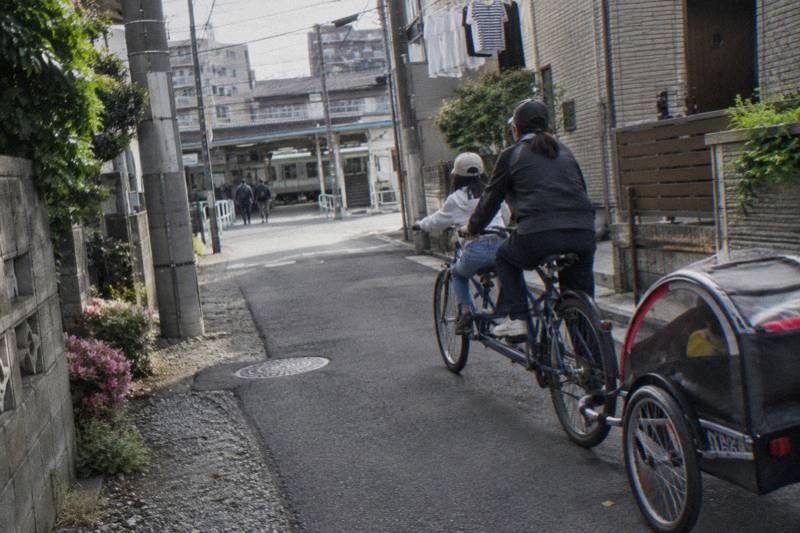
Tokyo Backstreets On A Bike: Hidden Lanes And Local Shops
Tokyo's backstreets are where the city drops its tourist posture: shotengai shopping arcs, temple lanes, riverside paths and ordinary neighbourhoods where people actually live. A guided backstreet ride puts a local voice beside those lanes, and this guide sets out the options, prices and practical rules in one place.
Short answer
A backstreet bike tour in Tokyo costs from $51.82 to $84.21 per person for the dedicated backstreet rides, plus from $64.78 for flexible small-group options that cover similar lanes. The main 4-hour downtown backstreets ride runs 4.9 across 124 reviews, and the shorter 2.5-hour version runs 5.0 across 25 reviews.
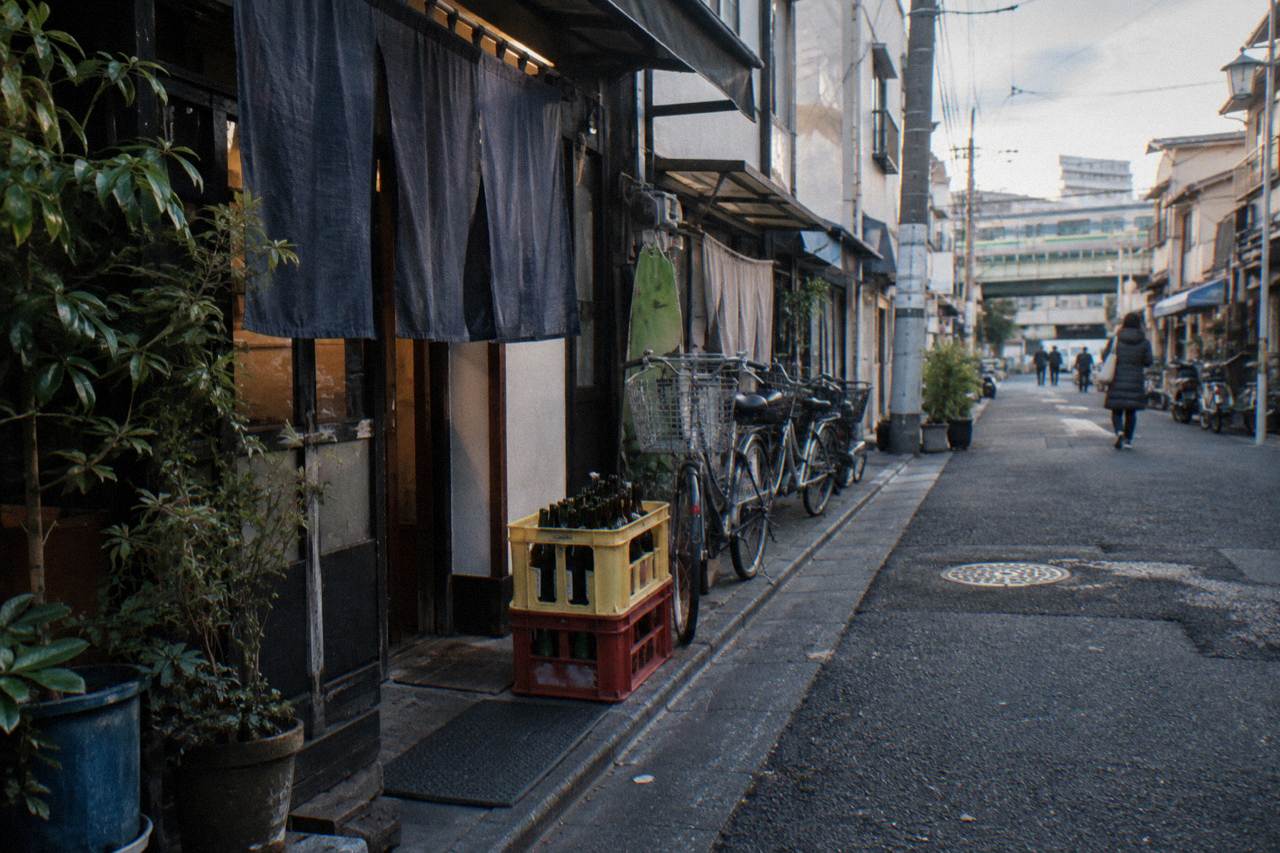
Tokyo rewards the rider who turns off the main road. One street back from Omotesando the traffic noise drops, the buildings shrink to two storeys, and the city becomes a network of lanes lined with bicycle-parked fences, tofu counters and tiny temples. That shift, from spectacle to daily life, is exactly what a backstreet ride sells, and it is the reason this style of tour has grown into one of the most reviewed ways to see the capital on two wheels.
This guide covers the dedicated backstreet rides you can book, what they cost and where their routes tend to run, plus the road rules and seasonal realities that shape any ride through residential Tokyo. The figures come from the tour descriptions themselves and from official Tokyo sources, and where something varies or is not stated, it says so.
What Is A Tokyo Backstreets Bike Tour?
A backstreets bike tour is a guided ride that deliberately avoids Tokyo's big-name boulevards and spends its time in residential lanes, shotengai shopping streets, temple quarters and riverside paths instead. Groups are small, usually six riders or fewer, the pace is easy, and the guide's job is as much storytelling as navigation. Prices run from $51.82 per person for a 2.5-hour short ride to $77.74 for the main 4-hour version.
The format matters more than the name. A highlights tour optimises for checkpoints: Shibuya crossing, the Imperial Palace outer garden, a photo stop or two. A backstreets ride optimises for texture. You will still pass famous places, often at the edge of the route, but the stops are more likely to be a local shopping street, a shrine with a bicycle parked outside, or a canal path where retired fishermen sit with rods. Reviews of these rides consistently single out the feeling of seeing a Tokyo that exists whether or not tourists show up.
The guiding logic is practical, not just romantic. Tokyo's arterial roads are busy, and its residential lanes are calm, wide enough for a small group and mostly flat. An experienced guide threading a small group through those lanes delivers a safer and quieter ride than the same group attempting the same distance alone, and riders who have never cycled in Japan get the road rules explained in context rather than read off a webpage.
For visitors weighing a guided ride against independent cycling, the comparison guide on bike tour or walking tour choices in Tokyo covers the trade-offs in more depth, and the broader primer on cycling in Tokyo explains how the city treats bicycles in traffic.
Which Backstreet Rides Can You Book In Tokyo?
Four tours make up the core backstreet offering: the 4-hour downtown backstreets ride from $77.74, a 2.5-hour central short ride from $51.82, a flexible 3 to 6 hour small-group ride from $64.78, and a night ride with ramen from $84.21. The first two come from the same operator with groups capped at six; all four include the bike, and all describe free cancellation on the booking page.
The table below sets out the four rides side by side, using the figures as each tour states them.
| Ride | Duration | Rating and reviews | Price from (per person) | Group max | Bike included |
|---|---|---|---|---|---|
| 4-Hour Downtown Backstreets Ride | 4 hours | 4.9 across 124 reviews | $77.74, total depends on group size | 6 | Yes |
| 2.5-Hour Central Short Ride | 2 hours 30 minutes | 5.0 across 25 reviews | $51.82 | 6 | Yes |
| Flexible 3-6 Hour Small-Group Ride | 3 to 6 hours | 4.9 across 212 reviews | $64.78 | 8 | Yes |
| Night Ride With Ramen | 2 to 3 hours | New listing, no reviews yet | $84.21 | 6 | Yes |
The 4-Hour Downtown Backstreets Ride is the anchor of this category. It runs 4.9 across 124 reviews, caps the group at six, and includes bike and helmet, with free cancellation described on its page. Its shorter sibling, the 2.5-Hour Central Short Ride, covers the same style of lane at a gentler commitment: 5.0 across 25 reviews and from $51.82, which makes it the cheapest dedicated backstreet option. Meeting point for both is the operator's own base in central Tokyo, so there is no station hunt before the ride.
The Flexible 3-6 Hour Small-Group Ride takes a different approach to the same lanes. Its duration window is wide, three to six hours, the group max is eight, and the meeting point is the Hyatt Regency Tokyo in Nishi-Shinjuku. It runs 4.9 across 212 reviews from $64.78 per person, with lunch listed as not included. For riders who want the backstreet experience but cannot predict their energy level on the day, the flexibility is the product.
If a pure backstreet format is not the only thing on your list, the broader Tokyo cycling tour guide compares the full range of guided rides across the city.
How Much Does A Backstreets Bike Tour Cost?
Dedicated backstreet rides run from $51.82 to $84.21 per person depending on length and format, with the main 4-hour ride at $77.74 and the flexible small-group option at $64.78. Food is generally not included, the total on group-size-dependent rides changes with party size, and a do-it-yourself day on the Docomo share network costs 1,650 yen for a day pass, though without a guide, route or insurance clarity.
Price in this category is mostly a function of hours and intimacy. The short central ride keeps the cost near the bottom of all guided cycling in Tokyo, while the 4-hour ride sits in the middle of the market. What you get for the money, in every case, is a bike, a guide and a route that has been ridden many times before, plus helmet on the backstreets rides. What you do not get on most rides is food. The exception is the Night Ride With Ramen at $84.21, which includes one bowl of ramen and a soft drink, while the flexible ride lists lunch as not included.
Against self-guided cycling, the comparison is instructive rather than flattering to either side. The official Docomo Bike Share price page lists a 1-day pass at 1,650 yen bought at a convenience store, or 2,200 yen with an IC card, valid until 23:59 the same day, with one-time use at 165 yen per 30 minutes. That is far cheaper than any tour. But a share bike comes with no route through lanes you do not know, no explanation of what you are riding past, and no one to hand you the local road rules before you set off. Tokyo's official visitor guide notes that the city's bicycle insurance requirement applies to tourists from overseas, and rental businesses must tell renters what their insurance covers; a guided tour folds that briefing into the start of the ride.
Tokyo Backstreets Bike Tour Prices Per Person
Starting prices for four guided backstreet rides, with duration, group max and rating
| Ride | Price from | What the price includes | Extra costs to expect |
|---|---|---|---|
| 2.5-Hour Central Short Ride | $51.82 | Bike, guide, helmet | Food and drink |
| Flexible 3-6 Hour Small-Group Ride | $64.78 | Bike, guide | Lunch |
| 4-Hour Downtown Backstreets Ride | $77.74, total depends on group size | Bike, guide, helmet | Food and drink |
| Night Ride With Ramen | $84.21 | Bike, guide, helmet | Private transportation not included |
| West-Side Cycling With Food Stops | $106.89, total depends on group size | Bike, guide, food stops | Check the booking page for food inclusions |
The West-Side ride is included here because Koenji, its meeting point at Koenji Station, is one of the most backstreet-flavoured neighbourhoods in the city, a maze of used-record shops and snack counters west of Shinjuku. It runs 5.0 across 223 reviews, but it is a food tour first and a lane ride second, so treat it as a cousin rather than a competitor. Details are on its booking page.
Where Do Backstreet Rides Actually Go?
Backstreet routes concentrate on the old low-rise quarters east and north of the centre: the Yanaka and Nezu temple districts, the Asakusa approaches, the Sumida riverbank, and residential lanes in the downtown core, with route guides describing roughly 20 km days for the longest options. No tour publishes a fixed street list, since guides adjust for crowds and weather, but the neighbourhoods above recur across descriptions.
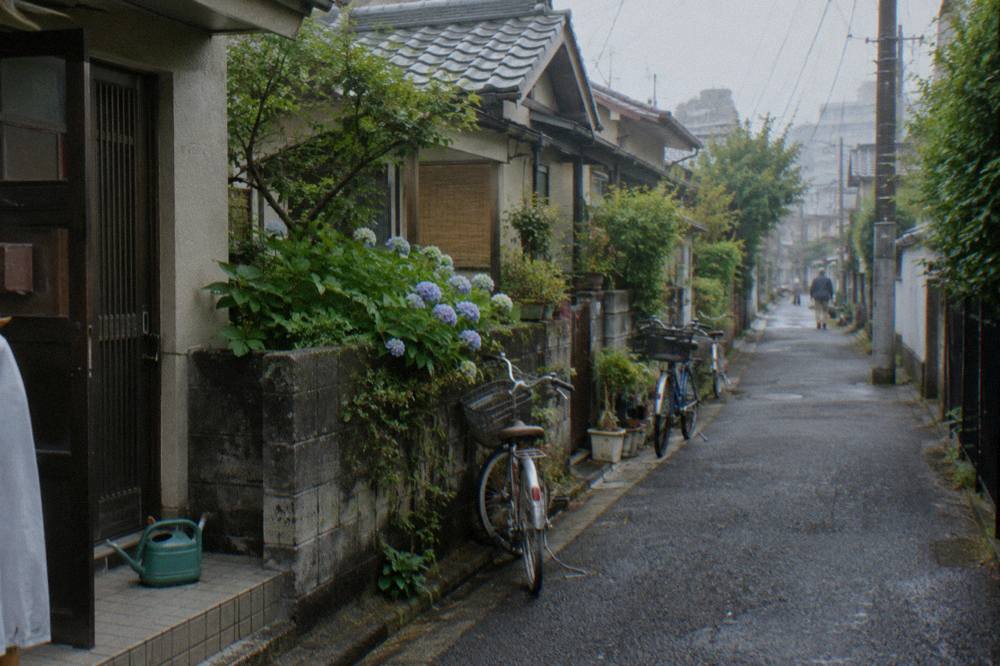
Route reporting on Tokyo's quieter quarters points consistently at the Yanesen belt, the collective name for Yanaka, Nezu and Sendagi, where Edo-period lanes survive around temples and a cemetery hill. Ride descriptions of the area pair it with Ueno and Asakusa on routes of roughly 20 km using cycle lanes and quiet streets, which matches the profile of the full-day traditional ride in the wider catalogue. From Asakusa, the Sumida River paths link south, with route guides describing a segment of about 4 km toward Ryogoku carrying Skytree and Senso-ji views, reported as traffic-light-free in parts. Shibuya appears in combined routes that end near the scramble crossing, with riders usually walking bikes across the busiest spots rather than riding them.
It is worth being clear about what "hidden" means here. These lanes are not secret, they are simply low-rise and quiet, and that is precisely their value to a cyclist. Tokyo's official visitor body maintains a waterfront cycling guide that describes riverside and bay routes linking Asakusa, the Sumida and the bay, and several of those paths sit within reach of the backstreet quarters. A guide who knows which bridge ramp connects a temple lane to a levee path is delivering something a map app does not.
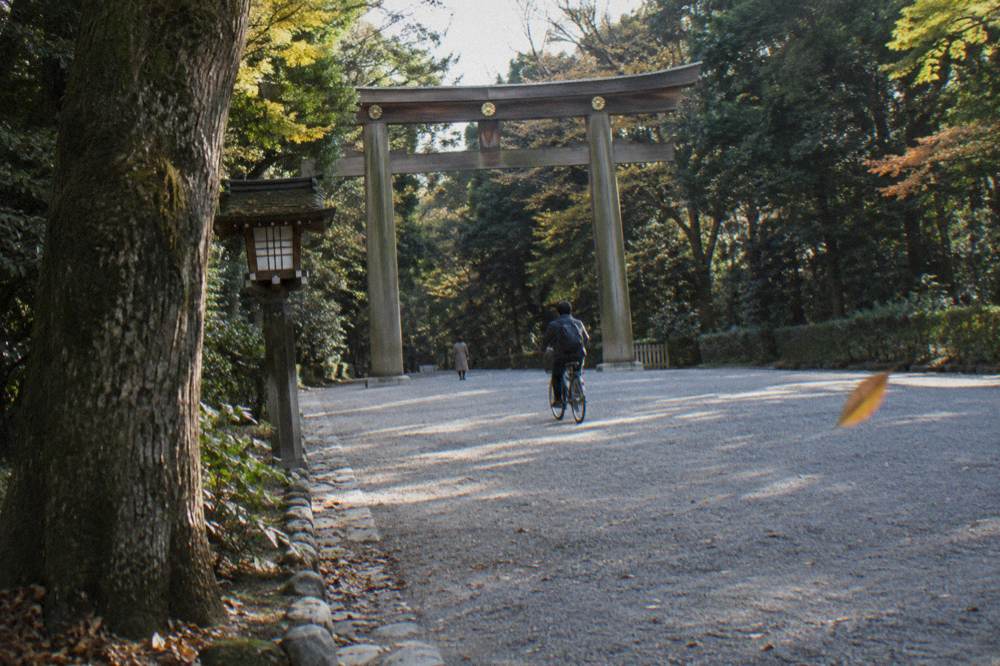
For riders who want to go deeper on specific quarters, this site carries dedicated pages on the Yanaka bike tour and on Sumida River cycling, both of which sit inside the wider backstreet world.
Is Backstreet Cycling In Tokyo Safe For Visitors?
Backstreet cycling is the calmer half of Tokyo cycling, and the rules that govern it are clear: ride on the left of the roadway, use sidewalks only where signed or where age and conditions allow, and know that since 1 April 2026 a blue-ticket fine system applies to riders aged 16 and over, including overseas visitors, with fines from 3,000 to 12,000 yen. Helmets are an effort obligation for every age, with no fine attached.
The lane-heavy style of these tours is, in safety terms, a feature. Residential streets carry far less traffic than arterials, and small groups of six or fewer move through them at conversational speed. But visitors should arrive knowing the local basics, because the rules differ from home in ways that matter. The Tokyo Metropolitan Police maintain an English-friendly bicycle rules page covering roadway riding, sidewalk exceptions, lights and lights-out fines, and the police English traffic rules page states plainly that cyclists will be issued tickets for traffic offences, with no exemption for tourists.
| Rule | What Tokyo police guidance says | Blue-ticket fine |
|---|---|---|
| Holding a phone while riding | Highest of the bicycle fines | 12,000 yen |
| Running a red light | Applies to cyclists 16 and over | 6,000 yen |
| Riding against traffic | Wrong-side riding on the roadway | 6,000 yen |
| No light at night | Required after dark | 5,000 yen |
| Riding two abreast | Prohibited except on rare signed roads | 3,000 yen |
| Carrying a passenger | Adult doubles not permitted | 3,000 yen |
Two nuances deserve emphasis. First, officers normally give guidance and a warning before any ticket; enforcement targets malicious or dangerous riding that could cause an accident, not a nervous tourist drifting wide on a lane. Second, drunk cycling is not a blue-ticket matter at all: it is a criminal offence carrying up to five years imprisonment or a fine up to 1,000,000 yen, so the ramen stop on the night ride is the place to be careful with alcohol, not after it. The dedicated guide on is cycling in Tokyo safe works through all of this in more detail, and the wider summary for foreign riders is on Japan cycling rules for tourists.
On helmets: every age group has been under an effort obligation since April 2023, meaning riders must try to wear one, with no fine for failing. Tokyo police report that 63.5 percent of cycling deaths in the city between 2021 and 2025 involved fatal head injuries, and that the fatality rate without a helmet is 2.3 times higher. The two dedicated backstreets rides include a helmet in the price, which settles the question for most visitors.
- City Bike Tours$32.39
- Private Tours$45.35
- Night Rides$55.06
- E-Bike Tours$61
- Day Trips By Bike$76
When Is The Best Season For A Backstreet Ride?
The most comfortable riding months by Tokyo's own climate record are March to May and October to November, when mean daily highs sit between 14 and 23 degrees C and rainfall is moderate; the toughest are July and August, with mean daily maxima above 31 degrees C in August, and the wettest months are October, at 234.8 mm, and September, at 224.9 mm. Cherry blossom first bloom averages 24 March in Tokyo, with full bloom around 31 March.
The numbers below are the Japan Meteorological Agency's 1991 to 2020 normals for the Tokyo station, and they reward a close read. Spring looks wet on paper, 116 mm in March and 133.7 mm in April, but that rain tends to arrive in bursts between long clear spells, and the temperatures are close to ideal for slow lane riding. Autumn is warmer and slightly drier than spring at the shoulders, with November, at 96.3 mm, one of the driest months of the year and a mean daily high of 16.7 degrees C.
| Month | Mean daily max (C) | Mean daily min (C) | Precipitation (mm) |
|---|---|---|---|
| January | 9.8 | 1.2 | 59.7 |
| March | 14.2 | 5.0 | 116.0 |
| April | 19.4 | 9.8 | 133.7 |
| May | 23.6 | 14.6 | 139.7 |
| July | 29.9 | 22.4 | 156.2 |
| August | 31.3 | 23.5 | 154.7 |
| October | 22.0 | 14.8 | 234.8 |
| November | 16.7 | 8.8 | 96.3 |
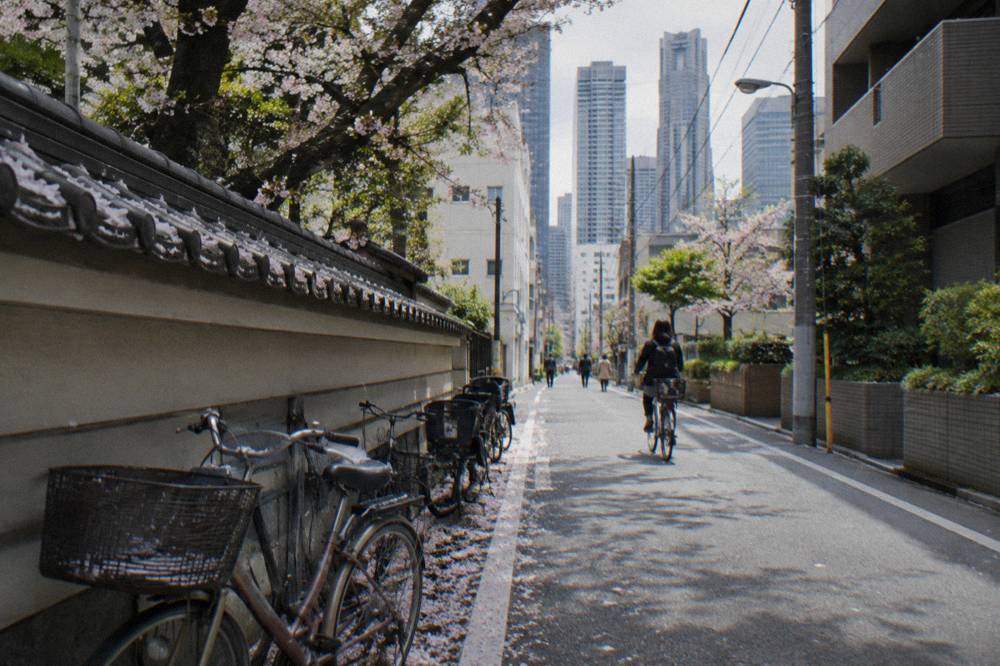
Summer deserves honesty rather than warning-sticker caution. July and August mean daily maxima of 29.9 and 31.3 degrees C, with overnight lows that barely drop below 23, and a four-hour ride in that window is a different activity from the same ride in April. The 2.5-hour short format earns its keep here: a shorter ride in early morning or evening is the standard adaptation. Winter, by contrast, is underrated, with January's mean daily high of 9.8 degrees C cold at the fingers but dry, at 59.7 mm for the month, and the lanes quieter than at any other time of year. The full seasonal breakdown, including what to wear month by month, is in the site's guide on the best time to cycle in Tokyo, and the Tokyo cherry blossom bike tour page covers the late-March window in detail.
Backstreets, E-Bike Or Food Ride: Which Format Fits?
For most first-time visitors the regular-bike backstreets format fits best, because the lanes are flat and the pace is slow; an e-bike earns its premium on hills, distance or summer heat, with the Local Life E-Bike at $63.48 from a near-station start, and a food ride suits travellers whose main memory goal is eating rather than riding. Group caps run from 4 to 8 across the near-equivalents.
The honest comparison is not bike versus e-bike but route versus rider. Backstreet quarters are low-rise and flat, which blunts the e-bike's usual advantage, but Tokyo's e-bike options are priced close enough to regular rides, from $61.54 to $63.48 for the 3-hour options, that the choice becomes one of comfort rather than budget. The Local Life E-Bike, 4.9 across 753 reviews from $63.48 with a group max of six, starts near a station and runs the same class of neighbourhood at an easier effort level, and riders can check availability alongside the regular-bike options on its tour page, with the full write-up in the site's Tokyo e-bike tour guide.
Food rides are a different animal. The West-Side ride from Koenji weaves food stops through its 3 hours 30 minutes at 5.0 across 223 reviews, and the Night Ride With Ramen pairs backstreet lanes with a bowl at the end. Both are excellent evenings out; neither is primarily a cycling experience, and riders choosing between them should ask which memory they want, the lane or the meal.
| Format | Best for | Starting price | Typical group max |
|---|---|---|---|
| Regular-bike backstreets ride | First visit, flat lanes, low cost | From $51.82 | 6 |
| E-bike neighbourhood ride | Heat, distance, easier effort | From $63.48 | 6 |
| Flexible small-group ride | Unpredictable schedule | From $64.78 | 8 |
| Food-focused ride | Eating as the main goal | From $84.21 | 8 |
What Should You Know Before Booking A Backstreet Ride?
Check four things before you pay: the meeting point, because backstreet tours start at specific bases or stations rather than hotels; the cancellation terms, with free cancellation described on most of these pages; the food situation, since meals are generally not included; and the bike type, which for the dedicated backstreet rides is a regular non-electric bicycle. Group size caps, from 3 to 8 in this category, matter more than they would on a bus tour.
Meeting points are the detail most often missed. The main backstreets rides start from the operator's central base, the flexible ride meets at the Hyatt Regency Tokyo in Nishi-Shinjuku, and the food ride meets at Koenji Station, which is west of Shinjuku and a deliberate ride out on the Chuo line. None of these includes hotel pickup, a fact each listing states plainly. Building fifteen minutes of travel slack into your morning is the difference between a relaxed briefing and a sprint.
On cancellation, every dedicated backstreet ride in this category describes free cancellation on its booking page, as does the flexible small-group option. That is a meaningful safety net for travel plans that shift, and the precise cutoff window is stated on each booking page, so it should be read there rather than assumed. Every tour listed here carries free cancellation, including the 3-hour hidden-gems ride. Cancelling up to 24 hours before start brings a full refund there as on every other tour, and the live booking page holds the exact wording.
Physical preparation is modest but real. Four hours of stop-start riding, mounting and dismounting at temples and snack counters, is harder on the knees than four steady hours on a riverside path, and the flexible ride's 3-to-6-hour window exists precisely because people misjudge this. Bring water, since some listings name bottled water as not included, cash for small shops on the lanes, and clothing you can pedal in, which the site's what to wear cycling in Tokyo guide covers season by season. Tokyo Bike Tours exists to make exactly these decisions easier, and every page on the site holds to the same rule: the figures come from the tours themselves and the official sources, and the booking page has the final word.
Which Ride Should You Actually Choose?
Choose the 4-Hour Downtown Backstreets Ride for the fullest version at 4.9 across 124 reviews from $77.74, the 2.5-Hour Central Short Ride if hours or budget are tight at 5.0 across 25 reviews from $51.82, and the Flexible 3-6 Hour Small-Group Ride if your day's shape is uncertain at 4.9 across 212 reviews from $64.78. All three include the bike, describe free cancellation, and cap groups small.
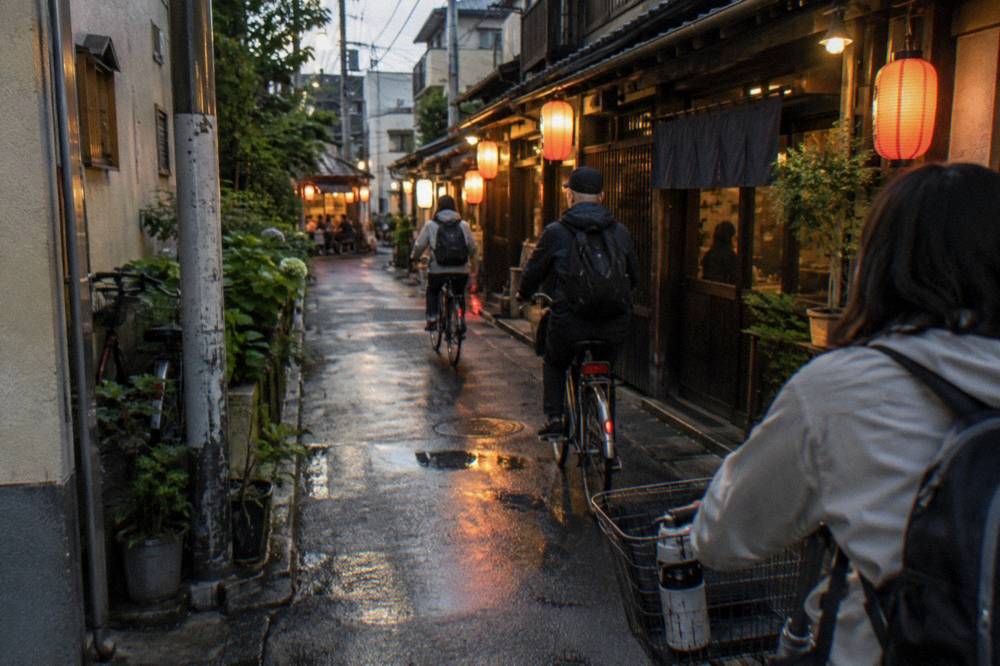
There is no wrong answer among those three, only mismatches. A traveller with one afternoon and a long list of Tokyo sights beyond the lanes should take the short ride and bank the hours elsewhere. A traveller whose whole day is open, and who wants the version of the experience that reviews describe most fully, takes the 4-hour ride. A traveller travelling with companions whose stamina varies takes the flexible option and lets the group decide on the day. The night formats, from $55.06 for the 2-hour Night Lights Ride, 5.0 across 31 reviews, to the ramen version, are a fourth answer for anyone whose daylight hours are already spoken for.
Common Questions About Backstreet Bike Rides In Tokyo
What Is A Tokyo Backstreets Bike Tour?
A guided small-group ride that avoids major boulevards and spends its time in residential lanes, shopping streets, temple quarters and riverside paths. Groups run up to six or eight riders, the pace is easy, and bikes and helmets are included on the dedicated rides.
How Much Does A Backstreets Bike Tour In Tokyo Cost?
Dedicated backstreet rides run from $51.82 per person for a 2.5-hour short ride to $84.21 for the night ride with ramen, with the main 4-hour ride from $77.74, its total depending on group size. Food and drink are generally not included.
Where Do Backstreet Bike Rides In Tokyo Go?
Routes concentrate on the low-rise quarters east and north of the centre, including the Yanaka, Nezu and Asakusa areas, with river paths linking toward the bay. Guides adjust routes for crowds and weather, so no fixed street list is published.
Is Backstreet Cycling In Tokyo Safe For Tourists?
Residential lanes are the calmer side of Tokyo cycling, and guided groups ride them at low speed. Since 1 April 2026 a blue-ticket fine system applies to riders aged 16 and over, including visitors, with fines from 3,000 to 12,000 yen, so riding on the left, obeying signals and skipping the phone while moving all matter.
Do Tokyo Backstreet Bike Tours Include Food?
Generally no. The flexible small-group ride lists lunch as not included, and the food-focused West-Side ride is the exception, pairing its stops with a Koenji meeting point. Check each booking page for what the price covers.
What Is The Best Time Of Year For A Backstreet Bike Tour In Tokyo?
By JMA 1991 to 2020 normals for the Tokyo station, March to May and October to November offer the most comfortable temperatures, with November among the driest months at 96.3 mm of rain. Cherry blossom first bloom averages 24 March, with full bloom around 31 March.