Asakusa Bike Tour: Temples, Back Streets And The River
Asakusa is the temple district most Tokyo visitors reach by subway, but it is also the natural starting point for a ride along the Sumida River, through old-town back streets, and toward the bay. Here is what the Asakusa departures actually cost and include.
Short answer
An Asakusa bike tour pairs the temple quarter with the Sumida River paths beside it. The private e-bike departure from Asakusa runs 3 hours from $146 per person with the total depending on group size, while city tours from $32.39 to $106.89 per person also cover the east side on longer loops.
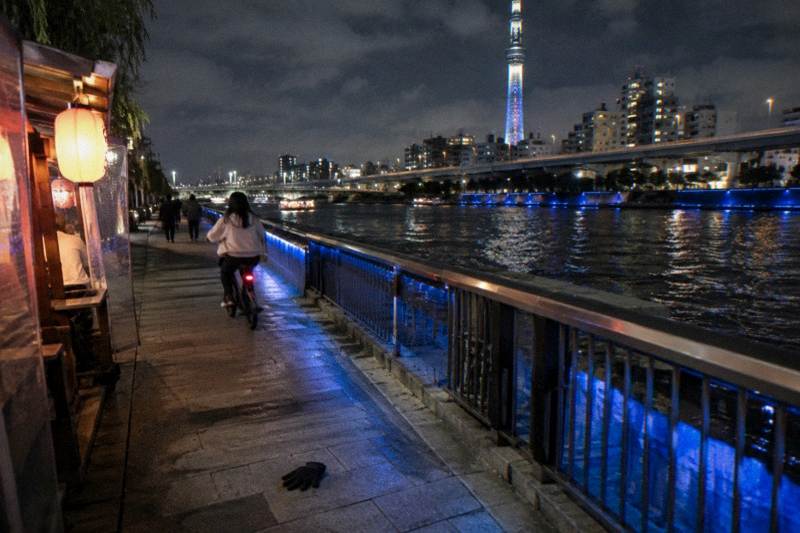
Senso-ji's main lane absorbs enormous crowds from mid-morning onward, yet two blocks east the streets go quiet, and one block further the Sumida River opens up a traffic-light-lean corridor of embankment paths running toward the bay and Skytree. That geography is the whole argument for seeing Asakusa by bicycle. A ride that would take an hour of walking becomes ten minutes of pedalling, and the district connects naturally to the river routes that spread north and south. The east-side departures on this page, led by the Private Asakusa Local E-Bike, a 3-hour private e-bike tour from $146 per person with the total depending on group size, exist precisely because the neighbourhood works better on two wheels than on foot.
This page covers what the rides include, what they cost, how the cycling rules apply around the temple crowds, and when to go. For the river corridor itself in more depth, the Sumida River cycling route guide breaks down the paths section by section.
What Does An Asakusa Bike Tour Cover?
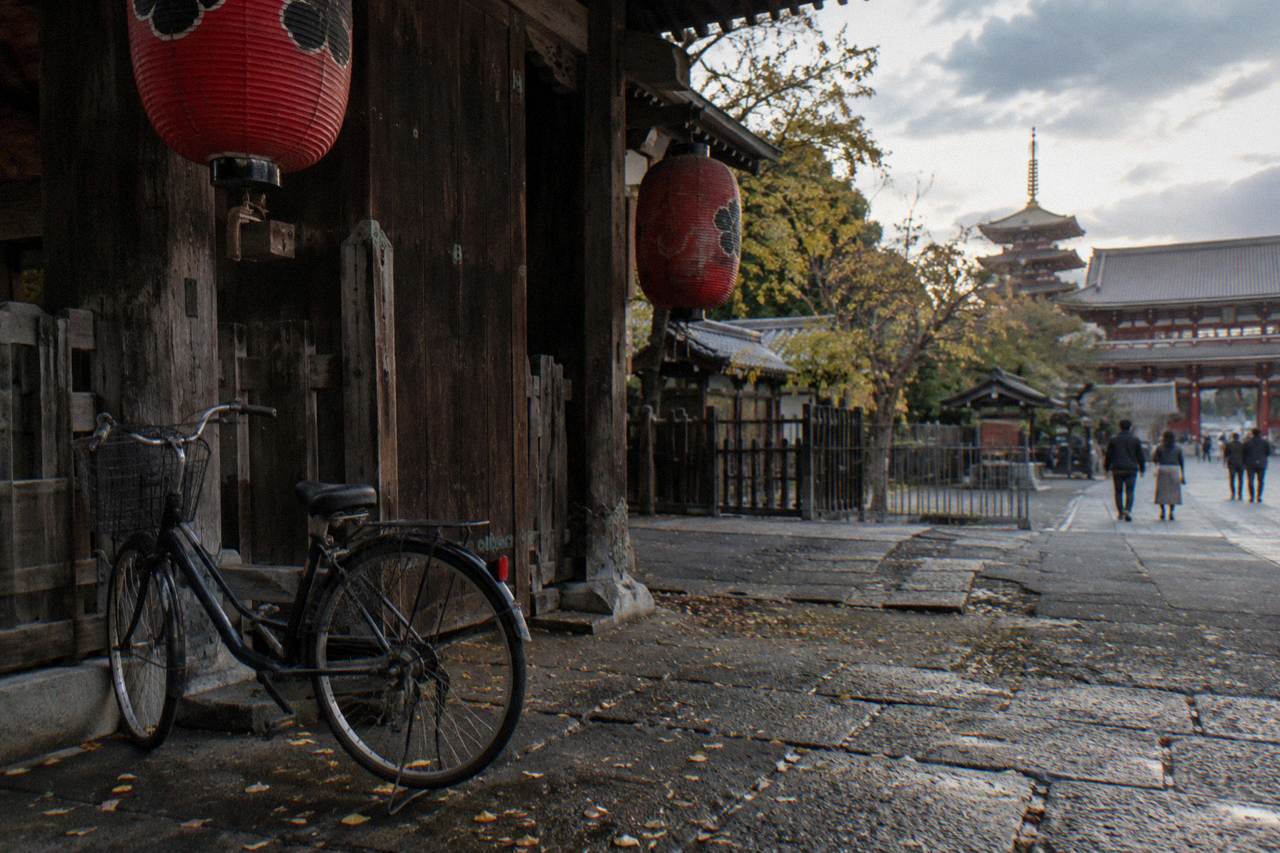
A typical Asakusa ride combines three layers in a single loop: the temple quarter itself, the shotengai back streets and shrine pockets behind it, and the Sumida River embankment with its Skytree views. Most east-side tours run 3 hours, though private options can stretch the tempo, and the itineraries generally lean on river paths and small lanes rather than major roads.
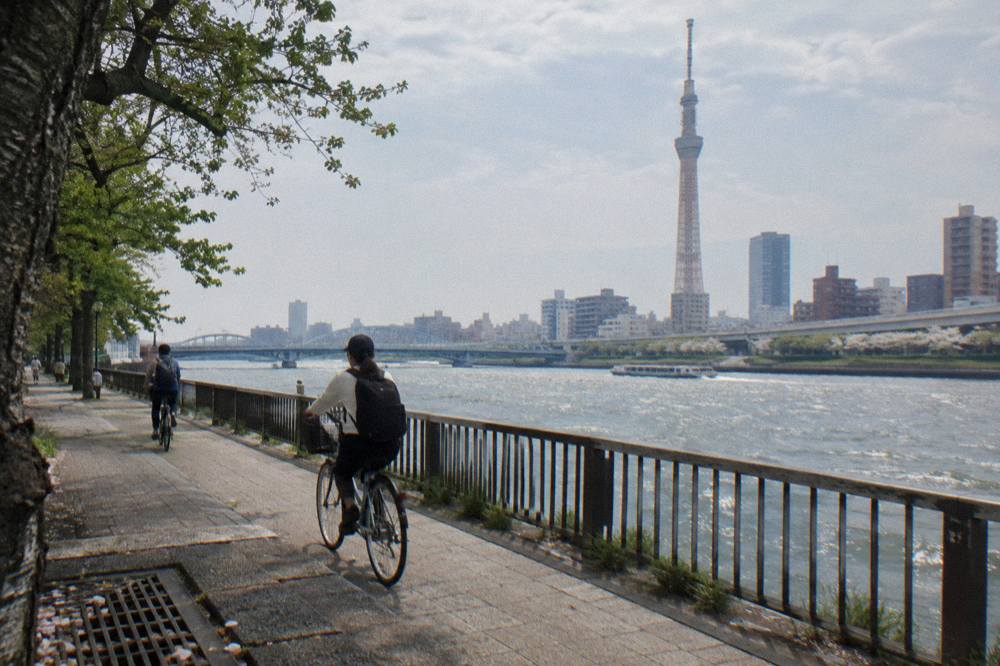
Route guides describe the Asakusa end of the Sumida as a stretch where the path links directly toward Ryogoku with Skytree rising across the water, and Sensokuhonkomatsugawa and similar green spaces appear as pauses along the way. That is hedged, on-the-ground description rather than a schedule promise: exact streets vary by operator and by how busy the temple approach is on a given morning. What does not vary is the shape of the ride. Guides use the river to cover distance quickly, then drop back into the lanes around the temple district where traffic is light and the pace slows.
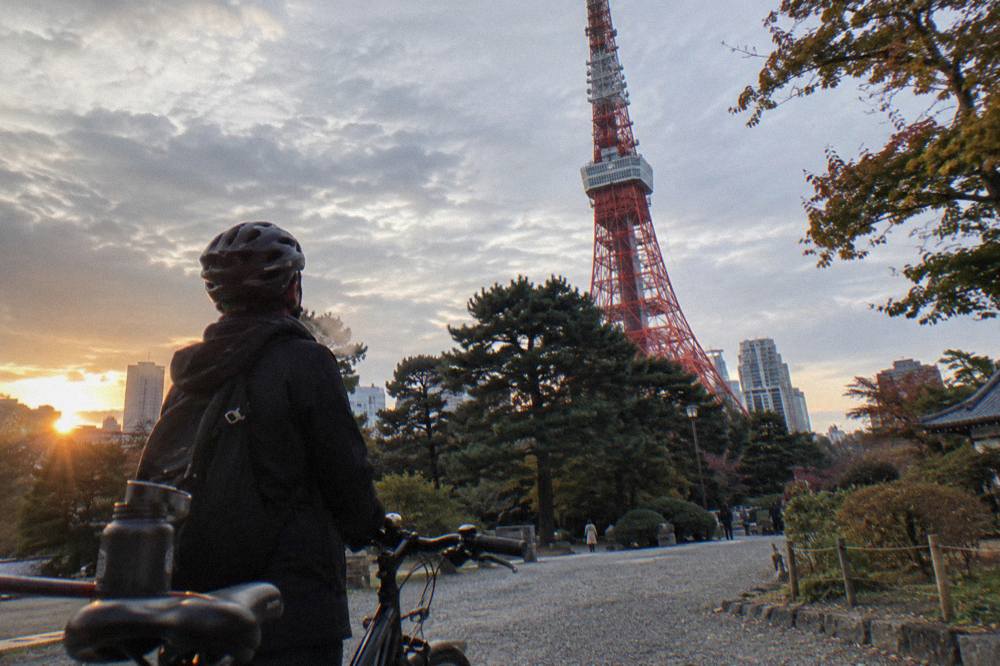
The Private Asakusa Local E-Bike, operated by Tokyo Bike Bliss, is the one departure in this selection that starts from the Asakusa area itself. It runs 3 hours, from $146 per person, as a private tour, so the total depends on group size and the booking page shows the figure for your party. Bike, helmet and guide are included, and the listing notes free cancellation. It carries only 4 reviews so far, too few for a star claim, which is worth knowing if you weight ratings heavily: this is a new, small departure, not a long-established one.
Other Tokyo tours reach Asakusa as one stop on wider loops. The Full-Day Traditional Ride from BREZZA covers about 20 km across the old town in a full day, from $97 per person, rated 4.8 across 139 reviews, with bike, helmet and guide included. The Small-Group Long City Ride from Bicycle Tours Tokyo, rated 5.0 across 1,308 reviews and from $106.89 per person, keeps its group to 5 and folds east-side lanes into a much larger circuit. Food-focused riders can look at the West-Side Cycling With Food Stops run by DIG Tokyo Tours from Koenji Station, though that one starts on the west side of the city, not in Asakusa.
Here is how the main options that touch the east side compare:
| Tour | Start point | Duration | From price per person | Reviews |
|---|---|---|---|---|
| Private Asakusa Local E-Bike | Asakusa area | 3 hours | $146, total depends on group size | 4 reviews, too few for a star claim |
| Full-Day Traditional Ride | Tokyo | Full day, about 20 km | $97 | 4.8 across 139 reviews |
| Small-Group Long City Ride | Tokyo Opera City Sankun Garden | 6 hours 30 minutes | $106.89 | 5.0 across 1,308 reviews |
| 6-Hour Full City Ride | Tokyo | 6 hours | $97.17 | 4.9 across 842 reviews |
| 3-Hour Highlights, Bike or E-Bike | Statue of Commodore Perry | 3 hours | $61.54 | 4.9 across 980 reviews |
Which Rides Suit A Short Trip Versus A Deep One?
For a half-day focused on Asakusa, the private 3-hour e-bike departure is the direct fit. For a single day that samples the whole city, the 6-hour rides at $97.17 to $106.89 per person cover more ground, and the 3-hour highlights loops at $61.54 suit travellers with a packed itinerary. Time, budget and appetite for distance drive the choice more than anything else.
The honest dividing line is stamina and schedule. A 6.5-hour ride like the Small-Group Long City Ride from Bicycle Tours Tokyo spends real time in the old town but also commits most of your day, and its listing is upfront that food, drinks and hotel transfers are not included. The 6-Hour Full City Ride, from $97.17 per person and rated 4.9 across 842 reviews, runs with up to 12 riders, so it suits sociable riders who do not mind a bigger group. At the other end, the Flexible 3-6 Hour Small-Group Ride, from $64.78 per person with a cap of 8 riders, lets the group shape the length, which is a rare middle path; lunch is not included.
E-bikes change the arithmetic for anyone unsure about distance. The pedalling assist flattens bridges and long embankment stretches, which matters around Asakusa because the best river riding crosses to the east bank at least once. If you want the assist but a central-west start, the Tokyo e-bike tour guide compares the nine e-bike departures in detail.
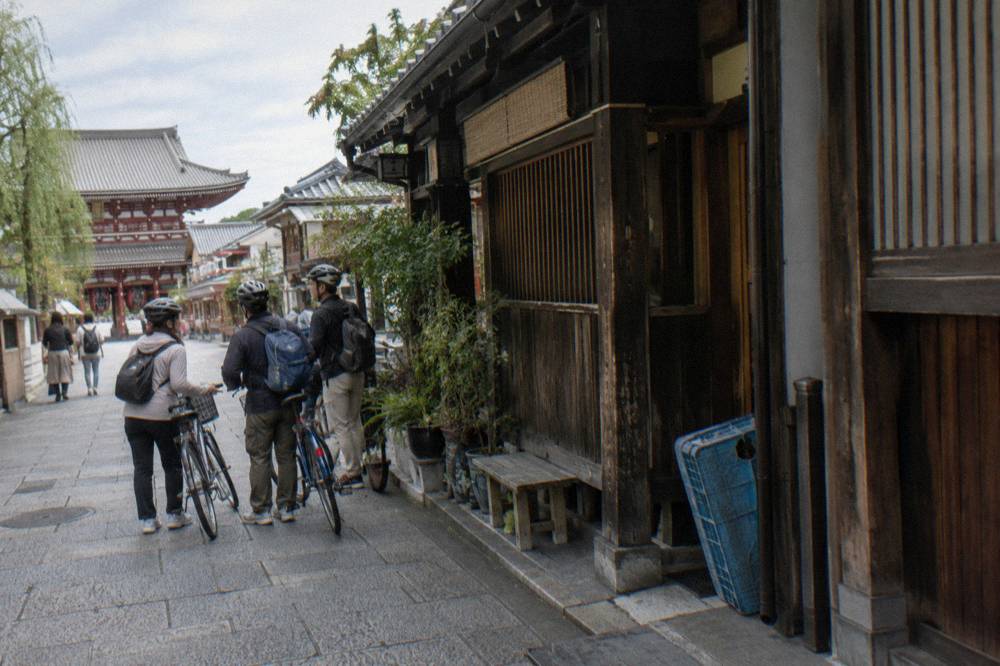
Between the extremes sit the mid-length rides. The 4-Hour Downtown Backstreets Ride, from $77.74 per person with the total depending on group size, rated 4.9 across 124 reviews, keeps groups to 6 and centres on exactly the kind of lanes Asakusa is known for. It is a strong pick if three hours feels thin and six feels long.
How Much Should You Budget For The Tour Itself?
Plan on $46 to $106.89 per person for a guided group ride, with private e-bike options from $45.35 to $156.77 per person where the total depends on group size. Every tour here includes the bike; food, drinks and hotel transfers are the usual extras, and helmets are included on most but not all departures.
The spread within group tours is narrower than it first looks. The 2.5-Hour Central Short Ride from Tokyo Backstreets Bike Tour, from $51.82 per person and rated 5.0 across 25 reviews, is the budget floor of the short central rides. The Shibuya-Harajuku 3-Hour Ride sits at $57.01 per person, the total depending on group size. The JAPANKART 80-Minute Shibuya Ride is one of the cheapest listed at $46 per person, rated 4.3 across 5 reviews so far. At the top of the standard range, the two 6-hour rides and the food-inclusive west-side tour all land near $106.89.
Private tours price differently. The Private Asakusa Local E-Bike at $146 per person and the Private E-Bike From Your Hotel at $156.77 per person both quote per-person from-prices where the total moves with group size, so the booking page is the only place to see the real figure for your party. The Private Highlights E-Bike, Budget option from Trip Port runs from $54 per person, rated 4.4 across 47 reviews, the lowest private from-price here. The Private 2-Hour E-Bike Ride, from $45.35 per person, is cheaper still, with 7 reviews so far.
| Budget tier | Options in this range | What is typically included |
|---|---|---|
| Under $60 per person | 80-Minute Shibuya Ride ($46), Private 2-Hour E-Bike Ride ($45.35), Olympic Sites Bay Ride ($48.59), 2.5-Hour Central Short Ride ($51.82) | Bike and guide; helmet on most; food and drinks extra |
| $60 to $100 per person | 3-Hour Highlights, Bike or E-Bike ($61.54), Hidden Gems E-Bike ($62.19), Local Life E-Bike ($63.48), Flexible Small-Group Ride ($64.78), 4-Hour Downtown Backstreets ($77.74), Full-Day Traditional Ride ($97), 6-Hour Full City Ride ($97.17) | Bike, guide and usually helmet; meals and transfers extra |
| Over $100 per person | Small-Group Long City Ride ($106.89), West-Side Cycling With Food Stops ($106.89), Akihabara and Palace E-Bike Loop ($97.17), Private Asakusa Local E-Bike ($146), Private E-Bike From Your Hotel ($156.77) | Bike, guide, helmet; private tours priced by group size |
One inclusion detail worth checking: the TRB BIKE TOUR departures list helmet rental as an extra at ¥1000 in cash on the day, so the headline price for those rides does not cover a helmet. Most other listings here include one. That difference is small in yen terms but matters if you are budgeting to the last coin or prefer not to carry cash.
Is Asakusa A Good Place To Ride For Beginners?
Yes, with one caveat: the temple approach itself is crowded and most guides walk bikes through the busiest stretch. Everything around it, the back lanes, the embankment paths and the river crossings, is low-traffic and flat, which is why so many beginner-oriented tours route through here. The blue-ticket regime also rewards calm riding, so the relaxed pace suits new cyclists.
Tokyo's road rules put bicycles on the roadway by default, riding on the left, with sidewalk use reserved for signed sections, riders under 13 or over 70, and unavoidable situations; on a permitted sidewalk you ride slowly on the roadway side and yield to pedestrians, as the Tokyo police bicycle rules page sets out. Around Senso-ji, that translates to a simple habit: when the lane fills with pedestrians, get off and walk. Guided rides do this automatically, and the small-group caps on the tours here, 5 to 8 riders on most departures, keep the group manageable for nervous riders.
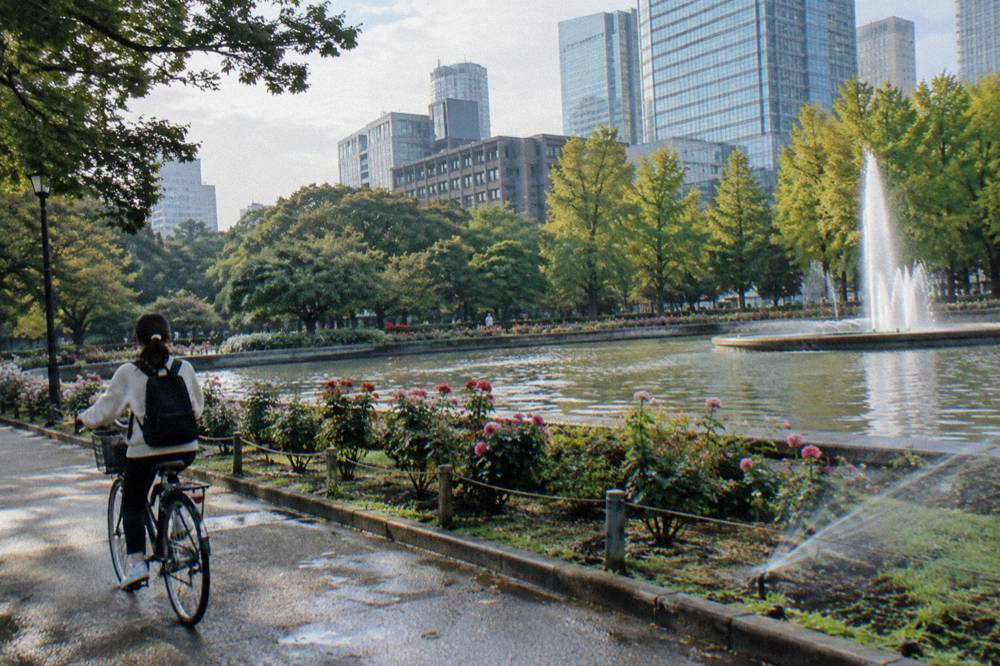
The terrain helps. Asakusa and the river corridor east of it are flat, and the bridge approaches are the only real climbs. On a regular bike that is a non-issue for most riders. The Full-Day Traditional Ride covers about 20 km over a full day, which sounds like a lot until you spread it across six or more hours with stops; the 3-hour departures cover far less. If 20 km sounds intimidating even slowly, the beginners guide on this site walks through the easiest first rides, and the Tokyo bike tour for beginners guide is the fuller treatment.
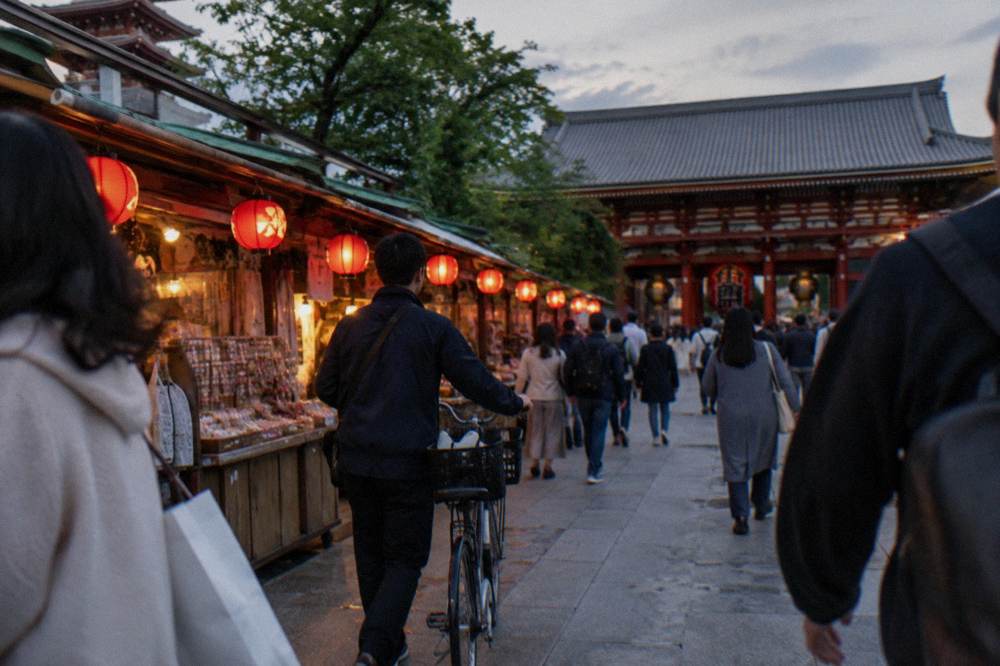
Insurance is the one administrative point visitors sometimes miss. A Tokyo ordinance has required cyclists in the city to carry bicycle liability insurance since 1 April 2020, and the official visitors' guide states plainly that this also applies to tourists from overseas. Rental businesses must insure their bikes' use and tell renters what is covered, so a guided tour with an included bicycle handles this for you. The full rules, including the 2026 changes, are covered in the Japan cycling rules for tourists guide.
What Rules Apply To Riders Around The Temples?
Since 1 April 2026, riders aged 16 and over can be fined under the blue-ticket system for specified violations, from ¥3,000 for riding two abreast up to ¥12,000 for holding a phone while riding. Helmets are an effort obligation for every age with no fine, and officers normally give guidance and a warning before any ticket.
- City Bike Tours$32.39
- Private Tours$45.35
- Night Rides$55.06
- E-Bike Tours$61
- Day Trips By Bike$76
The fine amounts are fixed nationally. Holding a phone to talk or watch the screen draws the highest bicycle fine at ¥12,000. Ignoring a signal, riding against traffic and dangerous sidewalk riding carry ¥6,000. Riding with an umbrella in hand, earphones in both ears, or no light at night draws ¥5,000. Carrying a passenger or riding two abreast is ¥3,000. Drunk cycling is not a blue-ticket matter at all but a criminal one, with penalties up to five years' imprisonment or a ¥1,000,000 fine. The police notice on the violation system carries the detail, and the English traffic rules page confirms tickets apply to overseas visitors.
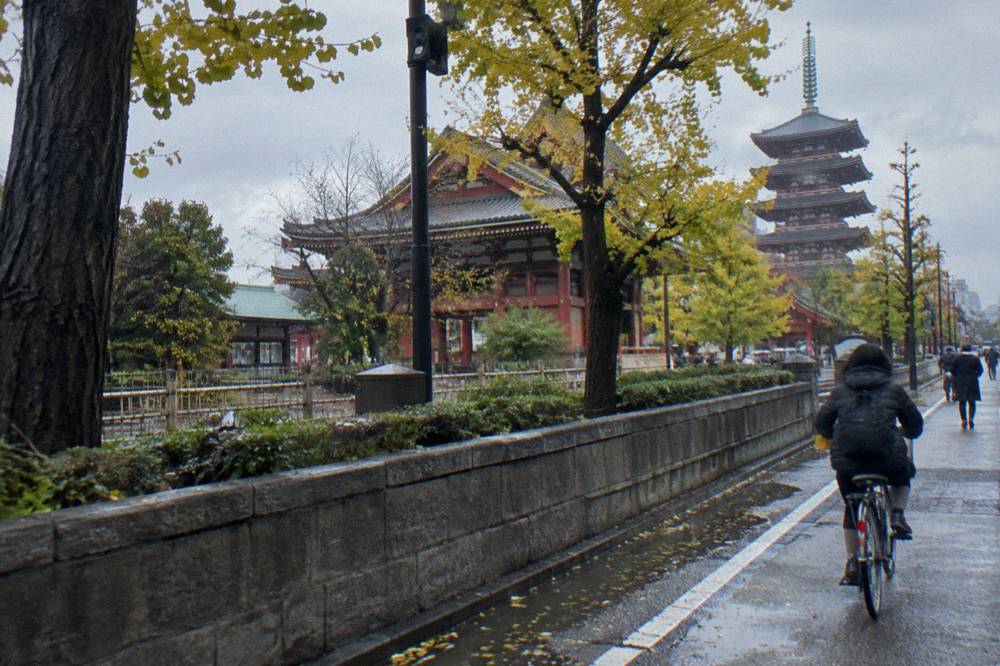
Around Asakusa the practical risks are two: sidewalk riding where it is not signed, and phone use while rolling. Both are avoidable with basic habits, and a guided tour removes nearly all of the judgement calls because the guide sets the line between riding and walking. Helmets, meanwhile, are required as an effort obligation only: every rider of any age should try to wear one, there is no fine, and police data attributes 63.5% of cycling deaths in Tokyo between 2021 and 2025 to fatal head injuries, with a fatality rate 2.3 times higher without a helmet, per the police helmet guidance. Most tours here include one; the TRB departures charge ¥1000 cash for rental.
| Violation | Fixed fine | Relevance near Asakusa |
|---|---|---|
| Holding a phone while riding | ¥12,000 | Highest bicycle fine; pocket the phone for photos |
| Signal violation, wrong-way riding, dangerous sidewalk riding | ¥6,000 | Walk the bike through the crowded temple approach |
| Umbrella in hand, earphones in both ears, no light at night | ¥5,000 | Matters on evening rides back from the river |
| Riding two abreast, carrying a passenger | ¥3,000 | Single file in the narrow lanes |
When Is The Best Season For A Riverside Ride From Asakusa?
The most comfortable riding windows are late March to early May and October to November, when temperatures sit in the teens and low twenties and rainfall is moderate. Late June and July bring the rainy season's tail and heat, while September and October are the wettest months on record for the Tokyo station, so shoulder-season mornings are the sweet spot.
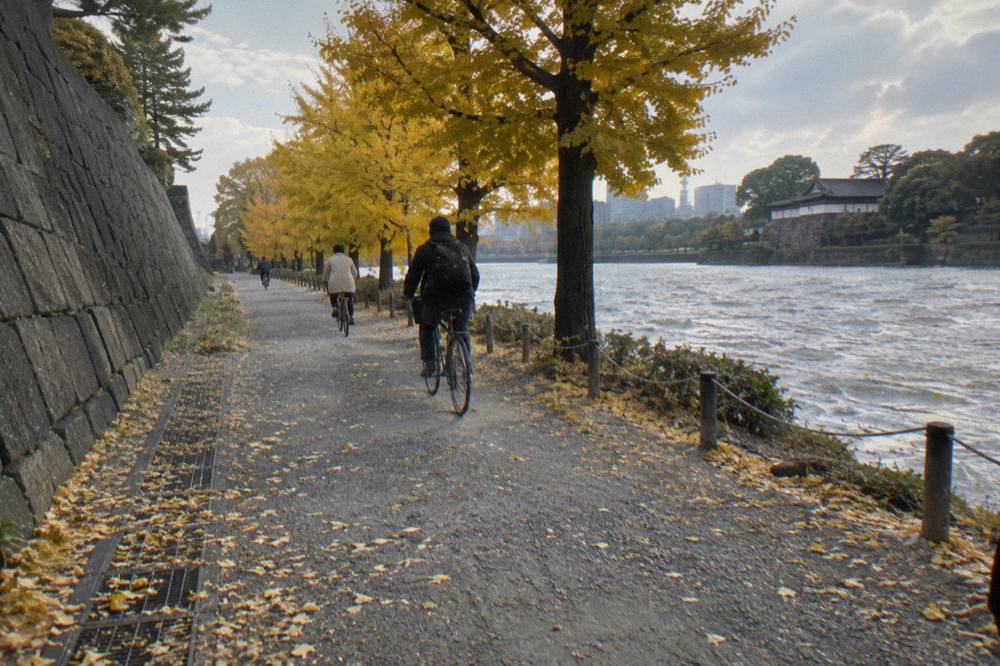
The Japan Meteorological Agency's 1991 to 2020 normals for the Tokyo station give the ground truth. April averages a mean of 14.3°C with a 19.4°C daily high and 133.7 mm of rain; May warms to 18.8°C mean with 139.7 mm. October, despite being the wettest month at 234.8 mm, averages a mean of 18.0°C, and November drops to 12.5°C with only 96.3 mm, making it arguably the best value month of all: cool, relatively dry, and lined with late-autumn colour. August is the hardest month, with a mean of 26.9°C, a 31.3°C average daily high, and overnight lows that barely fall below 23.5°C. The full index of guides sits on Tokyo Bike Tours.
| Month | Mean temp | Mean daily high | Precipitation | Riding note |
|---|---|---|---|---|
| March | 9.4°C | 14.2°C | 116.0 mm | Blossom season; 2026 bloom opened 19 March |
| April | 14.3°C | 19.4°C | 133.7 mm | Peak comfort, peak crowds near the temples |
| May | 18.8°C | 23.6°C | 139.7 mm | Warm afternoons, green riverbanks |
| July | 25.7°C | 29.9°C | 156.2 mm | Hot and humid; book early morning slots |
| August | 26.9°C | 31.3°C | 154.7 mm | Hottest month; night rides are the workaround |
| October | 18.0°C | 22.0°C | 234.8 mm | Wettest month; mild when dry |
| November | 12.5°C | 16.7°C | 96.3 mm | Cool, drier, autumn colour |
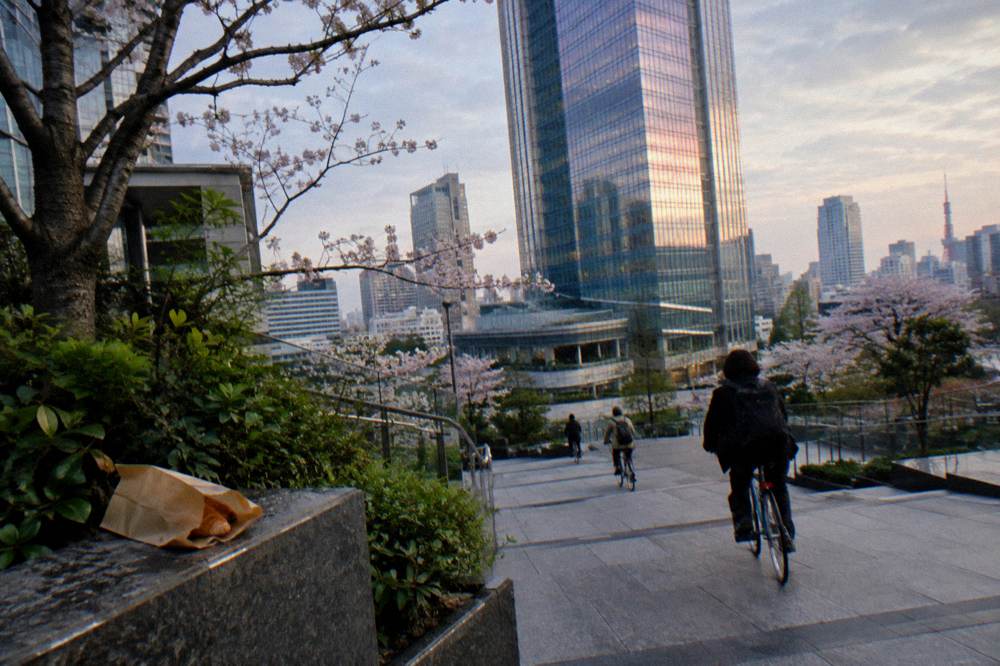
Blossom season deserves its own note because Asakusa is one of the classic petal-viewing districts. The 2026 first bloom in Tokyo came on 19 March, five days earlier than the 24 March normal, with full bloom on 28 March. Those dates shift each year, so a late-March booking is a calculated bet rather than a promise, and the first-week-of-April window is the safer centre of the odds. Wet-weather planning matters too: the Tokyo cycling in rain guide covers what to expect and how tours handle it, and most listings here allow free cancellation per their terms.
Should You Ride Asakusa By Day Or By Night?
Day rides show the temple architecture and river paths at their clearest, while night rides trade detail for atmosphere, lanterns, lit bridges and skyline views, in cooler air. The east side has few dedicated night departures, so most night options start from Shibuya or the palace area, and a day ride in Asakusa plus a short night ride elsewhere is a workable two-day plan.
The night inventory is instructive. The 2-Hour Night Lights Ride from COG EXPLORER JAPAN, from $55.06 per person with the total depending on group size and rated 5.0 across 31 reviews, runs from Umayamichi Park through Shibuya and toward Tokyo Tower. The Night Hidden Gems E-Bike from TRB BIKE TOUR is the premium end at $142 per person, rated 4.8 across 27 reviews. The Bay Sunset to Night E-Bike from Japan Wonder Travel, from $62.19 per person, has 4 reviews, too few for a star claim, but its bay-and-sunset angle is the closest night option in spirit to Asakusa's riverside. The Tokyo night bike tour guide compares all five.
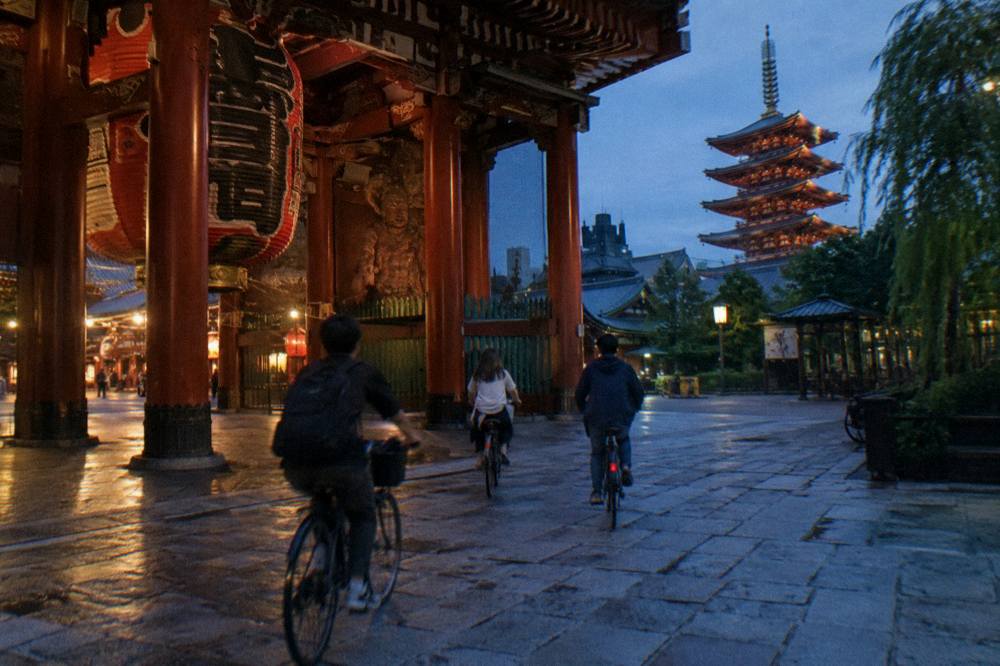
For the Asakusa-focused visitor, the honest split is this: spend your daylight hours on the east side where the temples and river justify them, and if you want the night version of the city, take one of the short Shibuya or bay departures rather than hunting for an Asakusa night tour that the selection here does not really offer. The Summer Night Bay E-Bike Ride from Cycling Holiday Tokyo, from $63.48 per person, is a new listing with no reviews yet, built exactly for hot-evening riding.
How Do You Book An Asakusa Departure And Prepare?
Book through the operator's booking page, checking three things: the meeting point, since only the private e-bike tour starts in Asakusa itself while others start across the city; the group size, which ranges from 3 to 15 riders across the selection; and the cancellation terms, which most listings offer free. Bring water, cash for a helmet rental where it is not included, and flat shoes.
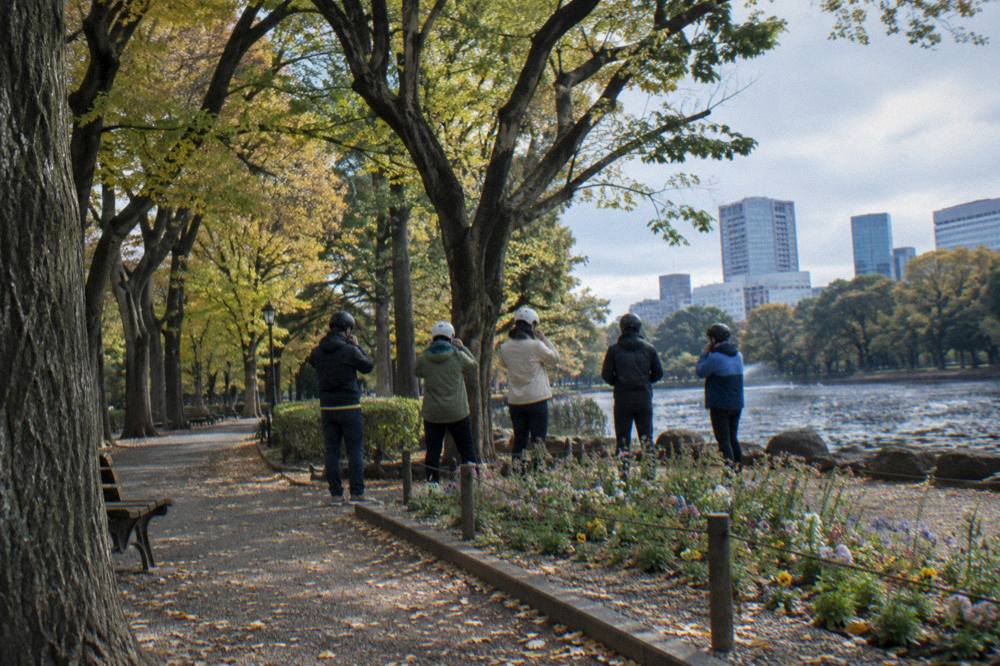
Meeting points matter more than newcomers expect. The Small-Group Long City Ride meets at Tokyo Opera City Sankun Garden, which is a west-side start, not an Asakusa one. The 3-Hour Highlights, Bike or E-Bike tour from TRB BIKE TOUR meets at the Statue of Commodore Perry. The Flexible 3-6 Hour Small-Group Ride meets at the Hyatt Regency Tokyo in Nishi-Shinjuku. Only the Private Asakusa Local E-Bike starts from the Asakusa area, and since it is private, from $146 per person with the total depending on group size, the booking page is where the real figure for your group appears. If a central start near your hotel matters more than the Asakusa anchor, the Private E-Bike From Your Hotel from Tokyo Bike Bliss, rated 5.0 across 171 reviews and from $156.77 per person, begins at your accommodation.
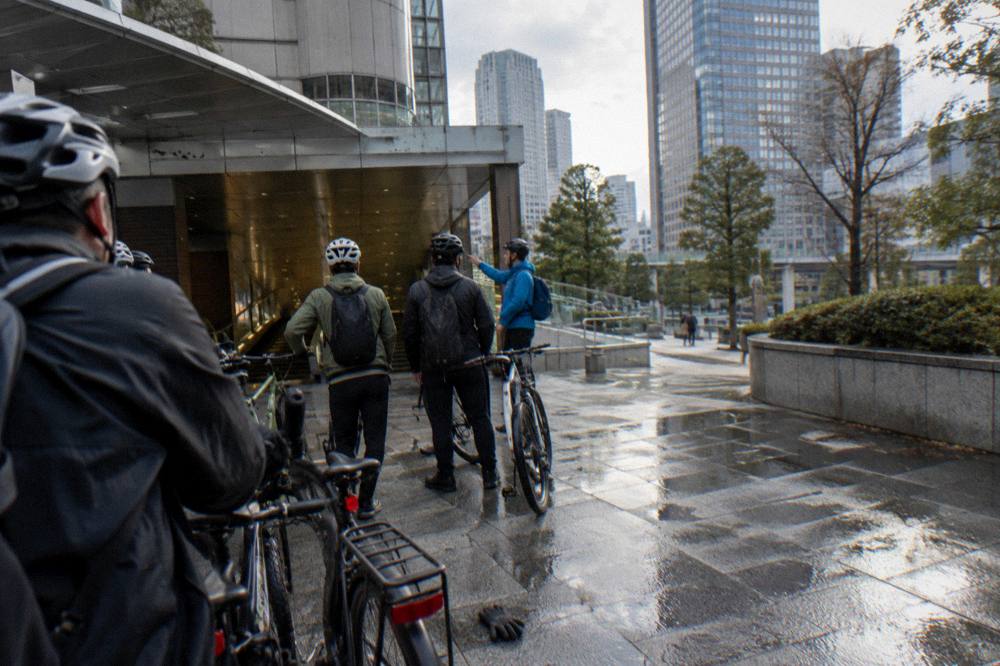
Preparation is simple. Most tours include the bike and a guide; food and drinks are almost always extra, so plan a meal in Asakusa after the ride rather than during it. Groups are capped small on the east-side-friendly departures: 5 on the Small-Group Long City Ride, 6 on the downtown backstreets and Shibuya rides, 8 on the flexible and west-side food tours. The largest cap in the selection is 15 on the Olympic Sites Bay Ride, a new listing with no reviews yet. Helmets are included on most rides; the two TRB departures charge ¥1000 in cash for rental, noted on their listings. Free cancellation is offered on nearly everything here per the listings, with the Hidden Gems Ride, Bike or E-Bike being the explicit exception its name advertises.
A final word on expectations. Reviews across this selection, where the pools are large enough to mean anything, run from 4.6 to 5.0, and the two most reviewed rides, the Small-Group Long City Ride at 5.0 across 1,308 reviews and the 3-Hour Highlights at 4.9 across 980 reviews, sit at the top of that band. The Asakusa-specific private departure is younger and thinner on reviews, which cuts both ways: less social proof, more room for a guide's undivided attention. Whatever you choose, check the meeting point against your accommodation before you book, because Tokyo is bigger than the temple district at its centre.
Common Questions About Asakusa Bike Tours
What Does An Asakusa Bike Tour Cover?
Most routes pair the Senso-ji temple quarter with the Sumida River embankment and the back streets behind the main approach. Rides typically last around 3 hours, with the private Asakusa e-bike departure covering the district and river paths in that window at its own pace.
How Much Does An Asakusa Bike Tour Cost?
The private 3-hour e-bike tour from Asakusa starts at $146 per person, with the total depending on group size. City tours that include the east side on longer loops run from $32.39 to $106.89 per person depending on length and operator.
Do Tokyo Bike Tours Start In Asakusa Itself?
Only one departure in this selection starts in the Asakusa area: the Private Asakusa Local E-Bike, a 3-hour private ride from $146 per person. The other east-side-friendly tours start elsewhere in central Tokyo, at points like Tokyo Opera City Sankun Garden or the Statue of Commodore Perry.
Is Cycling Near Senso-Ji Safe For Beginners?
Yes, with the habit of walking your bike through the crowded temple approach. The surrounding lanes and river paths are flat and low-traffic, group sizes are capped between 5 and 8 on most rides, and guides handle the judgement calls about when to ride and when to walk.
Are Helmets Included On Tokyo Bike Tours?
Most tours include a helmet, but not all. The TRB BIKE TOUR departures list helmet rental as an extra at ¥1000 in cash on the day. Helmets are an effort obligation for all ages in Japan, with no fine for riding without one.
When Is The Best Time Of Year For A Riverside Ride?
Late March to early May for mild temperatures and the cherry blossoms, which opened on 19 March in 2026, or October to November for autumn colour. November averages 12.5°C with only 96.3 mm of rain, making it one of the driest comfortable months.