Tokyo Bike Share And Luup: Apps, Prices And Limits
Tokyo's share bikes are cheap, electric assist and parked in ports all over the central wards. They are also strictly station to station, and their rules trip up visitors who have never ridden in Japan traffic before. Here is what the systems actually cost, how they work, and where their limits push riders toward a guided tour.
Short answer
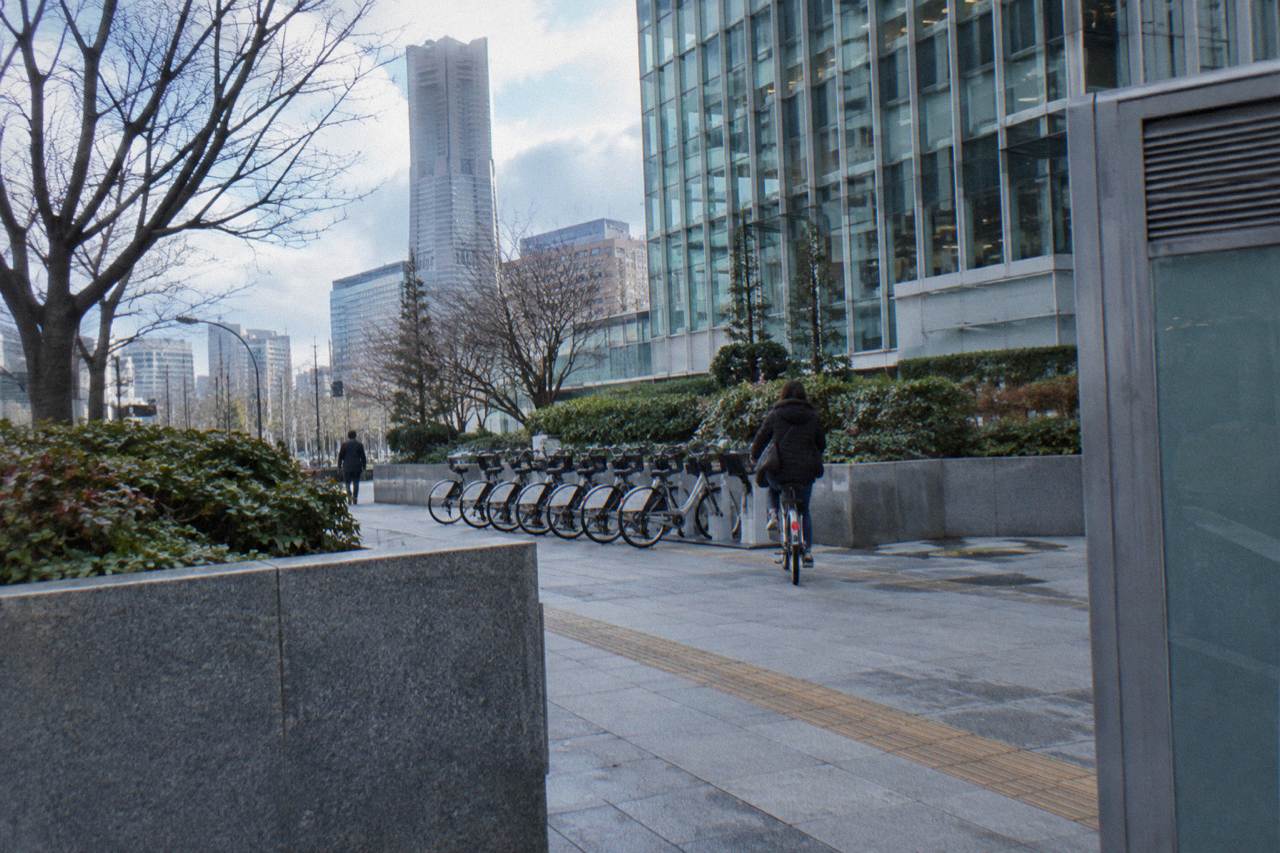
Docomo Bike Share charges 165 yen per 30 minutes, with a 1,650 yen day pass, and every ride must end back at a Bike Station. Luup covers scooters and some bikes under a separate app. Neither system includes a guide, a route or a helmet, which is where guided tours pick up the slack.
Tokyo's share bikes are easy for visitors to use, yet few travellers arrive knowing the systems exist. Docomo Bike Share parks electric assist bicycles in ports across 16 central wards, charges by the half hour, and sells a day pass at convenience stores. The catch is structural: every ride has to end at a designated port, the app demands a smartphone and a credit card at registration, and the traffic rules you ride under changed in April 2026 in ways that apply to tourists as much as to locals.
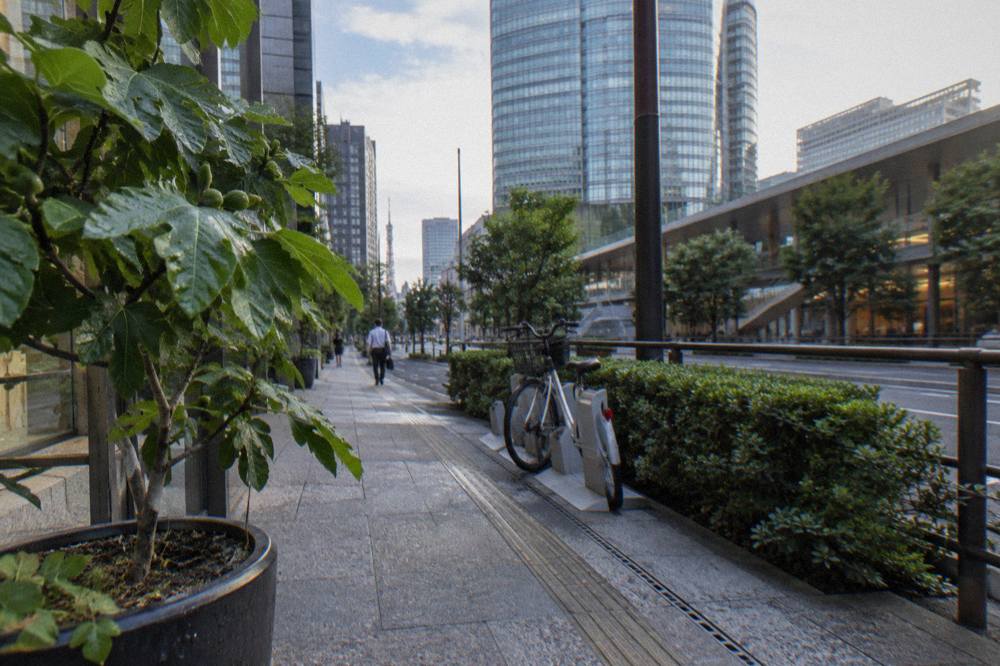
This page walks through what the systems cost, how registration works for foreign visitors, where the ports and the limits are, and the point at which a share bike stops being the smart choice. That point comes sooner than most visitors expect, usually around the second or third day of riding unfamiliar streets alone, and it is exactly where a guided option such as the Small-Group Long City Ride earns its price. Wherever your ride ends, figuring out where you can legally leave the bike is its own small puzzle, and our Tokyo bike parking rules and costs guide walks you through it.
How Much Does Docomo Bike Share Cost In Tokyo?
The official Tokyo rate page lists one time use at 165 yen for the first 30 minutes, then 165 yen for each further 30 minutes, tax included. A monthly plan costs 3,300 yen with the first 30 minutes of every ride free. A 1 day pass costs 1,650 yen from a convenience store or 2,200 yen with an IC card, and stays valid until 23:59 on the day of purchase.
- City Bike Tours$32.39
- Private Tours$45.35
- Night Rides$55.06
- E-Bike Tours$61
- Day Trips By Bike$76
Those are the numbers on the official Docomo price page, and they are the only figures worth planning around. Plans and prices can change. Check the official page or app before you ride for the rates and terms that apply on the day. Treat any blog quoting the new per 10 minute figures as a preview rather than a price you will pay at the port, and check the official page or app before you ride.
The arithmetic for a visitor is straightforward. A single half hour hop costs about the same as a short metro ride. Three or four hops in a day, a realistic sightseeing pace between Asakusa, the Palace area and the bay, add up to a few hundred yen at 165 yen per half hour, nowhere near the 1,650 yen day pass. The pass only pays off past ten half-hour blocks, roughly five hours of riding in a day, so for short hops pay per ride. The catch is the return rule: extension fees keep running until the bike is back in a Bike Station, so a bike parked outside a port is not a finished ride, it is an open one.
| Docomo Bike Share item | Official price | Notes |
|---|---|---|
| One time use, first 30 minutes | 165 yen | Tax included |
| Each further 30 minutes | 165 yen | Runs until returned to a Bike Station |
| Monthly plan | 3,300 yen | First 30 minutes of each ride free |
| 1 day pass, convenience store | 1,650 yen | Needs an SMS capable phone, valid to 23:59 |
| 1 day pass, IC card | 2,200 yen | Photo ID required |
The comparison that matters is against a guided ride. The 6-Hour Full City Ride starts from $97.17 per person with the bike included and free cancellation, and for that you get a guide, a route and a group rather than a port map and a hope that the next station has a free dock.
How Do You Register And Pay As A Visitor?
Registration happens in the Docomo app and needs a smartphone and a credit card, with d Payment also accepted. Foreign cards are supported. Day passes bought at a convenience store require an SMS capable phone, and the IC card version requires photo ID, so a foreign visitor without a Japanese phone number is steered toward app registration or the IC card counter.
This is the step where share bikes quietly filter out a chunk of visitors. The convenience store day pass, the cheapest option, assumes the SMS verification loop works on your phone and your number. Plenty of roaming plans handle it, but travelers with data only eSIMs sometimes cannot receive the SMS at all. The app route is more forgiving: a credit card from home registers fine, and the app handles port maps, battery levels and billing in English.
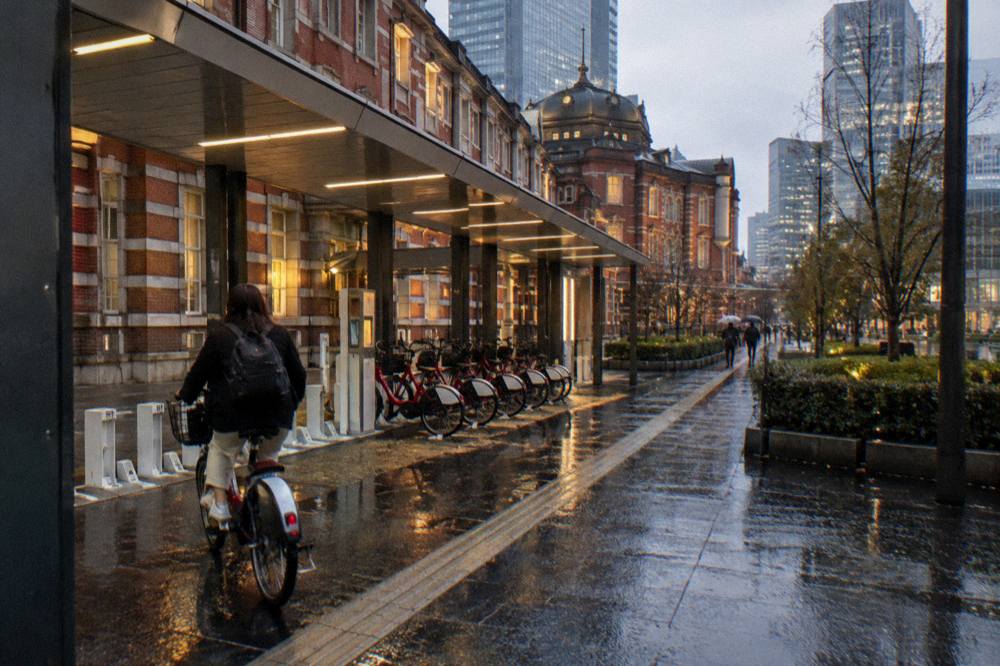
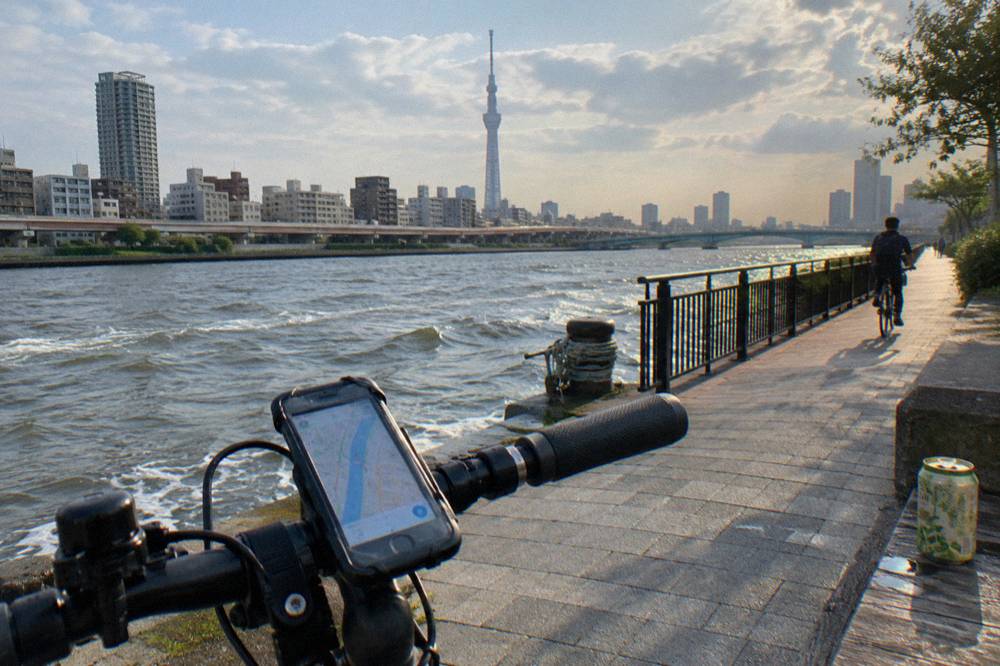
The other practical point is port discipline. You can only end a ride at a Bike Station, and stations fill or empty through the day, so the app's live map is not optional, it is the tool that decides whether your last ride of the evening ends near your hotel or a 15 minute walk from it. Plan each leg with the map, not with a destination in mind.
If the registration friction or the port rules sound like more admin than a holiday needs, that is the honest signal. Three rides with a share bike cost less than any tour, but six hours of self guided riding with no route, no helmet in the box and no local knowledge is a different product, not a cheaper version of the same one.
Where Can You Pick Up And Return A Share Bike In Tokyo?
Docomo's Tokyo wide area covers 16 central wards with mutual use, meaning a bike taken in one ward can be returned in another. Ports cluster near stations and attractions, and the app's map shows live dock and battery availability. HELLO CYCLING works on the same station to station principle across a nationwide partner network, with one account and prices set per prefecture and vehicle in the app.
Two systems, two apps, one shared rule: the bike goes back to a station. HELLO CYCLING's official price page loads its figures dynamically in the app, so no yen amounts are printed here, but the structure is verified: one account, return at any HELLO CYCLING station in the network, pricing per prefecture and per vehicle type. For a visitor staying inside the central wards, Docomo's denser port coverage is usually the simpler pick; HELLO CYCLING's strength is that the same account works far outside Tokyo. Once you've picked a system, the next question is where to actually ride, and our guide to apps that show bike routes in Tokyo explains what the official tools can and cannot do.
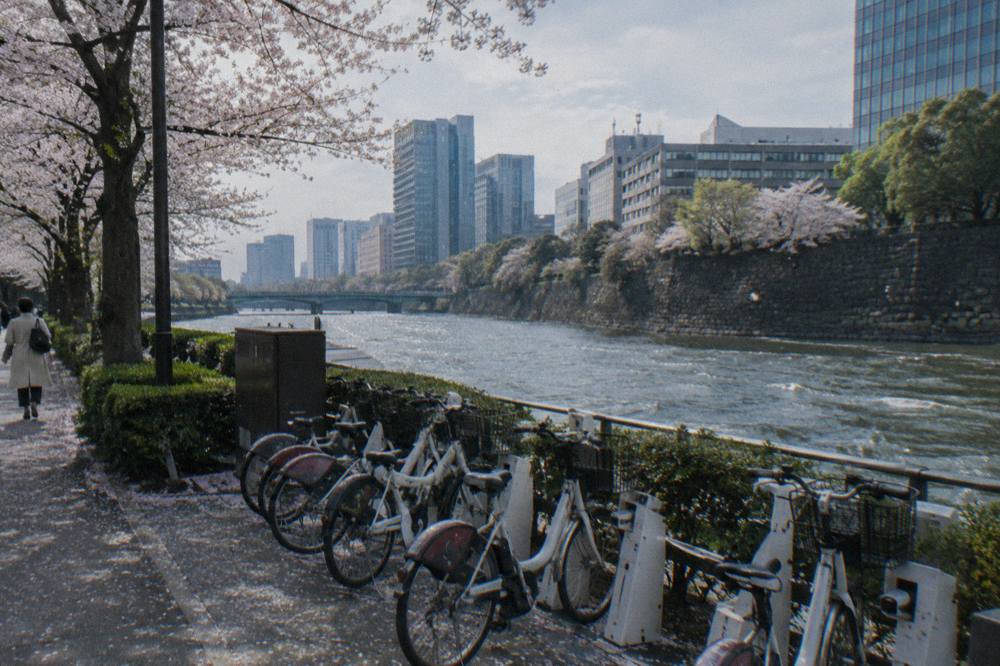
The port rule also shapes your day more than the price does. A share bike is a point to point tool, excellent for a riverside stretch or a hop between neighborhoods, poor for a loop that ends where luggage, tickets or a dinner booking are not. Riders who want a loop, a narrative and someone to hand the bike back to at the end are the natural audience for a guided ride.
For routes worth stringing ports together on, the Tokyo cycling routes guide maps the riverside and bay paths that suit share bikes best, and the Arakawa cycling road guide covers the long levee path where a day pass pays for itself.
The 3-Hour Highlights, Bike or E-Bike option, from $61.54 per person with free cancellation, sits right at the share bike's weak point: it is a loop, with a guide, a choice of regular or electric bike, and 980 reviews behind it. Riders comparing it against a day pass should notice it solves the return problem by design.
What Rules Apply When You Ride A Share Bike In Tokyo?
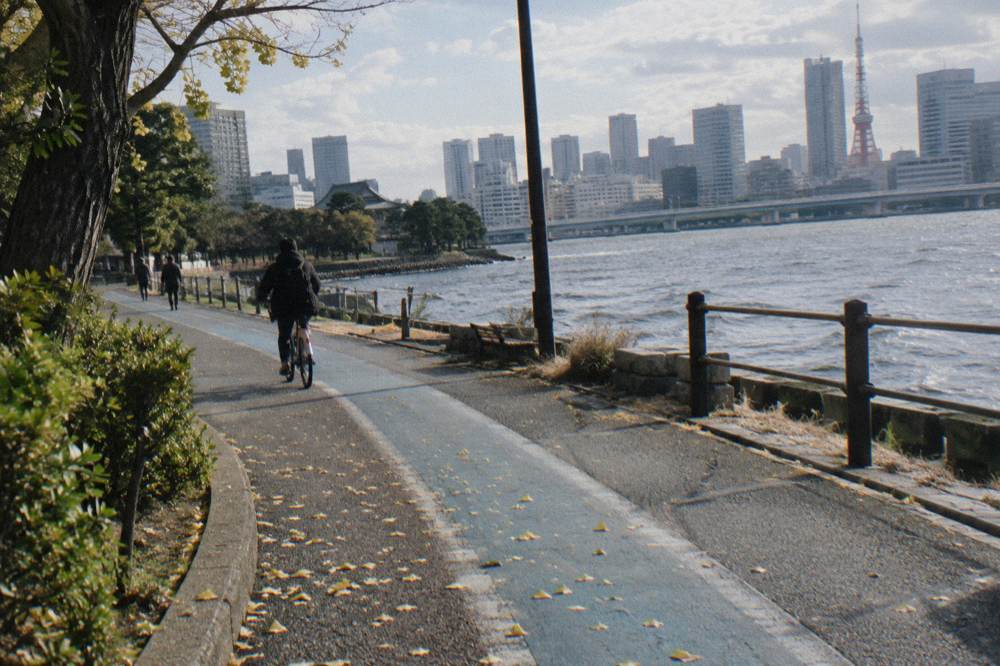
Bicycles are light vehicles: ride on the left of the roadway, and use sidewalks only where a sign permits it or age and ability rules allow, yielding to pedestrians. Since 1 April 2026 a blue ticket system applies to riders aged 16 and over, including overseas visitors, with fixed fines from 3,000 to 12,000 yen for violations such as phone use, red lights and riding two abreast. Helmets are an effort obligation for every age, with no fine.
The Tokyo Metropolitan Police state the ticketing point plainly on their English traffic rules page, and the official visitor guide repeats that the rules apply to tourists from overseas. Officers normally start with guidance and a warning, and tickets target dangerous or repeated violations, but the fine schedule is published and real. Phone use while riding is the most expensive blue ticket at 12,000 yen. Running a red light, riding against traffic or dangerous sidewalk riding costs 6,000 yen, riding two abreast or carrying a passenger costs 3,000 yen.
| Violation | Blue ticket fine |
|---|---|
| Using a hand held phone while riding | 12,000 yen |
| Ignoring a traffic signal | 6,000 yen |
| Riding against traffic | 6,000 yen |
| Riding two abreast | 3,000 yen |
| Carrying a passenger | 3,000 yen |
| No light at night | 5,000 yen |
The police bicycle rules page carries the full schedule in English, and the official visitor guide to bicycles summarizes the same duties for tourists. Insurance matters too: a Tokyo ordinance has required cyclists to carry liability insurance since 2020, and rental businesses, which includes share operators, must insure the hirer's use and tell renters what is covered. Read the in app notice before your first ride rather than after an incident.
Guided tours absorb most of this burden quietly. The guide sets the pace, picks legal routes, and stops the group where Tokyo law expects riders to walk bikes through the busiest crossings. For a first day in Japan traffic, that scaffolding is worth real money, a point the is cycling in Tokyo safe guide examines in detail.
Is Luup A Bike Share Option In Tokyo?
**Luup is listed by the official Tokyo visitor guide alongside HELLO CYCLING and Charichari as a Tokyo share service, but it is primarily an electric scooter network rather than a bicycle one. No Luup prices are published on a stable public page, and Luup is mainly an electric scooter network. Its scooters follow different rules from bicycles, so check the Luup app before riding.
That last point deserves emphasis because it changes the legal picture. An electric sit on scooter in Japan is generally treated closer to a light motor vehicle than a bicycle, which touches licences, helmet duties and where you may ride. A visitor who registers for Luup expecting a Docomo style experience can find the rules, and the riding position, different from what was pictured. The verified position for planning is simple: GO TOKYO lists it, no prices are confirmed, and nothing here should be treated as a Luup rate card.
For bicycle share proper, the two names that matter are Docomo and HELLO CYCLING. Both use electric assist fleets in practice, both are station to station, and both accept foreign credit cards through their apps. The cycling in Tokyo overview guide covers the wider landscape of riding in the capital, of which these two systems are one part a visitor can actually ride today with a phone and a card.
When Does A Share Bike Stop Making Sense?
Share bikes stop paying off when a rider wants a route, a narrative or more than a handful of disconnected hops in a day. The day pass only pays off past ten half-hour blocks in a day, so a few short hops cost less paid per ride. Each leg must still end at a dock, and neither system supplies a helmet, a guide or any answer to the question of what is worth stopping for.
The honest version of the comparison is that share bikes and guided tours solve different problems. A share bike is a supplement: it fills the gap between two stations, bridges a neighborhood with no metro stop, or extends a riverside walk into a riverside roll. A guided tour is the whole excursion: bike, helmet, route, pacing and the local knowledge that turns a backstreet into a story.
| Docomo Bike Share | Small-Group Long City Ride | |
|---|---|---|
| Price basis | 165 yen per 30 minutes, day pass 1,650 yen | From $106.89 per person |
| Bike | Electric assist, at the port | Regular bike, group max 5 |
| Helmet | Not a standard provision | Included |
| Route | Self planned via app map | Guide led, meeting at Tokyo Opera City Sankun Garden |
| Return | Must dock at a Bike Station | Hand back to the guide |
| Reviews | Not applicable | 5.0 across 1,308 reviews |
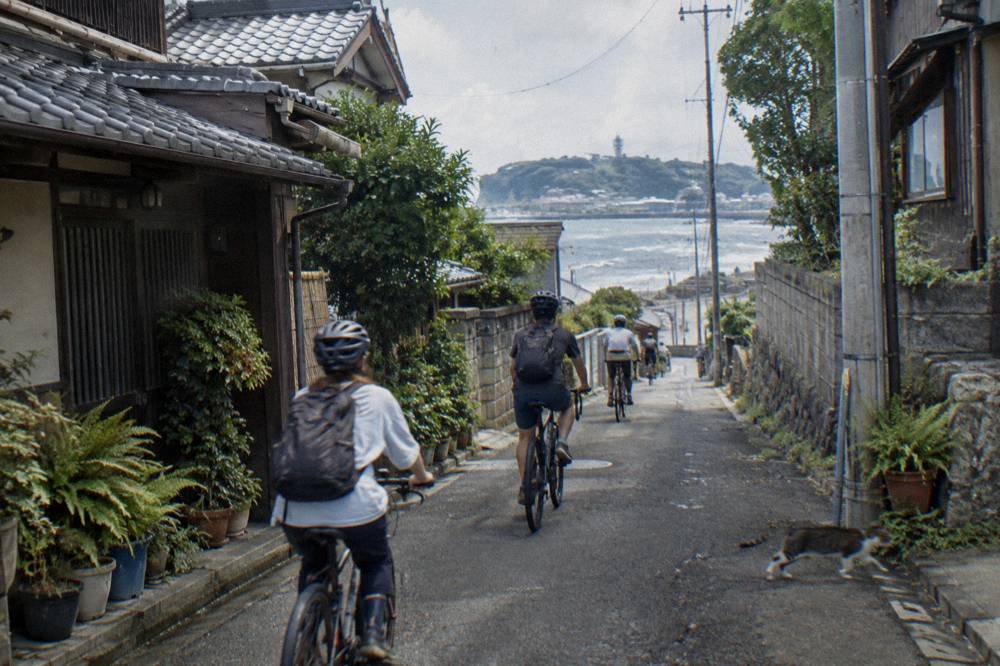
Riders who land on the tour side of that table usually do so for three reasons: they are new to riding on the left, they want the backstreets rather than the arterial roads the port network hugs, or they simply do not want to spend a holiday studying a dock map. The bike tour or walking tour comparison works through the same trade off for travelers deciding between guided formats at all.
What Does A Guided Tour Add Over A Day Pass?
A guided tour adds the bike, a helmet, a guide and a finished route for one price, and removes the port return obligation entirely. The Small-Group Long City Ride runs at 6 hours 30 minutes with a group capped at 5, from $106.89 per person, rated 5.0 across 1,308 reviews, with free cancellation, meeting at Tokyo Opera City Sankun Garden.
Those numbers come with a group size worth pausing on. A cap of five riders is small enough that the guide can route through lanes a 12 person group could not use, and the 1,308 review pool is the deepest of any ride covered on this site, which is a fairer claim than any superlative. Food, drinks and hotel transfers are not included, so budget a lunch stop separately.
The private alternative suits families and riders who want the itinerary bent around a particular interest. The Private E-Bike From Your Hotel option, from $156.77 per person with the total depending on group size, rated 5.0 across 171 reviews, starts where you are staying rather than at a fixed meeting point, which is the one thing no share system can offer.
The Local Life E-Bike, Starts Near Station option, from $63.48 per person, rated 4.9 across 753 reviews with a group cap of 6, is the e-bike flavored middle path: electric assist like a share bike, but guided, helmeted and station free.
What About Helmets, Parking And Bad Weather Days?
Share bikes do not come with helmets as a standard provision, and Tokyo parking rules bite hard: wards impound bikes parked outside designated areas, and Minato City charges a 2,000 yen release fee. Rain is the other limit, with October the wettest month at 234.8 mm in the JMA 1991 to 2020 normals, and guided tours, unlike share apps, reschedule or cancel under their own policy.
Helmets first. Every rider of every age is under an effort obligation since April 2023, meaning the law expects you to try, with no fine attached. The Tokyo police report that 63.5 percent of cycling deaths in the city between 2021 and 2025 involved fatal head injuries, and that the fatality rate without a helmet is 2.3 times higher. Share bikes ship no helmet at the port; guided tours listed with helmet included do.
Parking is the quiet budget risk. Leave a share bike anywhere other than a port and the extension fees run; leave any bike where a ward forbids it and it can be removed, with Minato City's impound page showing a 2,000 yen fee to get a bicycle back. The Tokyo bike parking guide maps the legal options ward by ward.
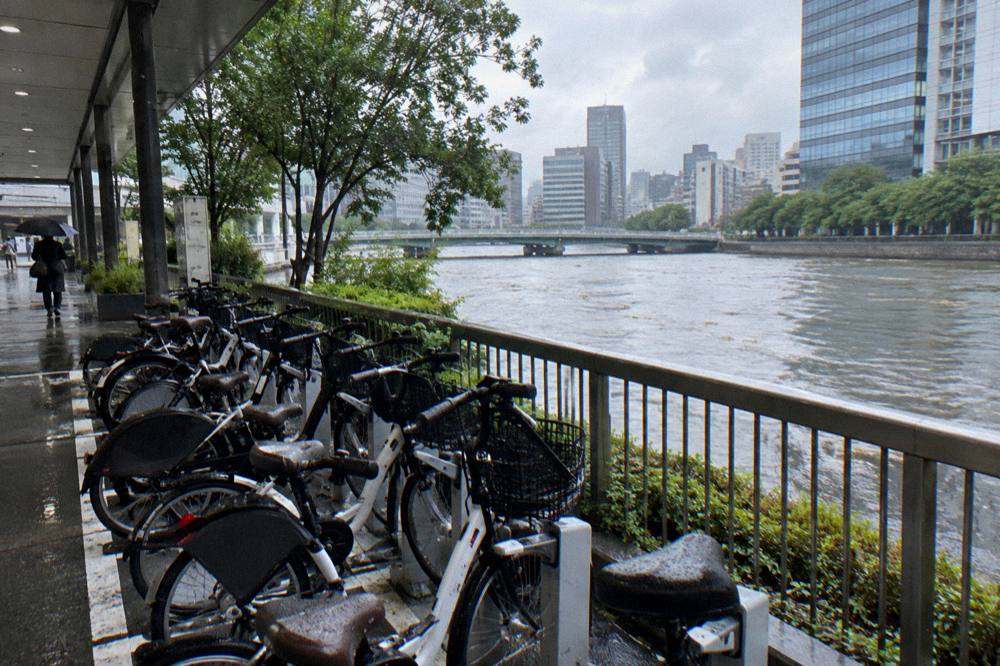
Weather shapes the calendar more than the app does. On the JMA 1991 to 2020 normals for the Tokyo station, September and October are the wettest months at 224.9 and 234.8 mm, and January is the coldest with a mean of 5.4 degrees. Winter is dry and rideable; the wet early autumn is not the season to bet a day pass on. The best time to cycle in Tokyo guide works through the full year month by month.
For riders who decide the self guided route still wins on price, the bike rental in Tokyo guide covers non share rental shops as a third option, and Tokyo Bike Tours rounds up the guided alternatives if the port system finally defeats you on day two.
The West-Side Cycling With Food Stops ride, from $106.89 per person with the total depending on group size, rated 5.0 across 223 reviews and capped at 8 riders from Koenji Station, is the tour for travelers whose real interest was eating their way across the city, something no dock map will ever arrange.
Common Questions About Tokyo Bike Share And Luup
How Much Does Docomo Bike Share Cost In Tokyo?
One time use is 165 yen for the first 30 minutes and 165 yen for each further 30 minutes, tax included. A monthly plan is 3,300 yen with the first 30 minutes of each ride free, and a 1 day pass is 1,650 yen from a convenience store or 2,200 yen with an IC card, valid until 23:59 the same day.
Can Tourists Use Docomo Bike Share?
Yes. Registration in the app needs a smartphone and a credit card, and foreign cards are accepted. The convenience store day pass requires an SMS capable phone, and the IC card version requires photo ID, so the app route is usually the simplest for visitors.
Is Luup A Bike Share Service?
Luup is listed by the official Tokyo visitor guide alongside HELLO CYCLING and Charichari, but it is primarily an electric scooter network. No Luup prices appear on a stable public page, and its scooters follow different rules from bicycles, so check the Luup app before riding.
Do Share Bikes In Tokyo Include A Helmet?
No. Helmets are not a standard provision of the share systems. Since April 2023 every cyclist of any age is under an effort obligation to wear one, with no fine attached, and guided tours that list helmet included are the simplest way to ride with one.
Where Do You Return A Share Bike In Tokyo?
At a designated station only. Docomo extension fees keep running until the bike is docked at a Bike Station, and HELLO CYCLING works the same way across its partner stations. The apps' live maps show dock and battery availability.