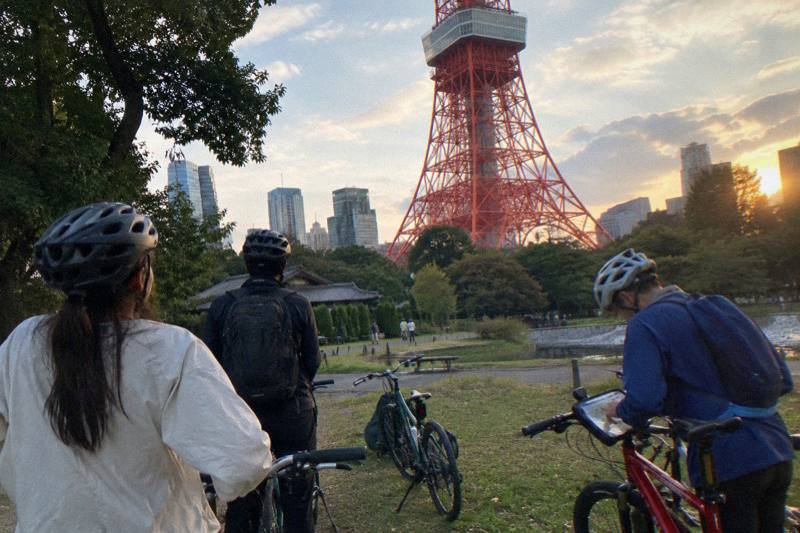
Cycling In Tokyo: What Visitors Need To Know Before They Ride
Cycling in Tokyo is one of the fastest ways to understand the city, and it comes with a rulebook that changed in April 2026. Here is what a visitor needs before rolling out.
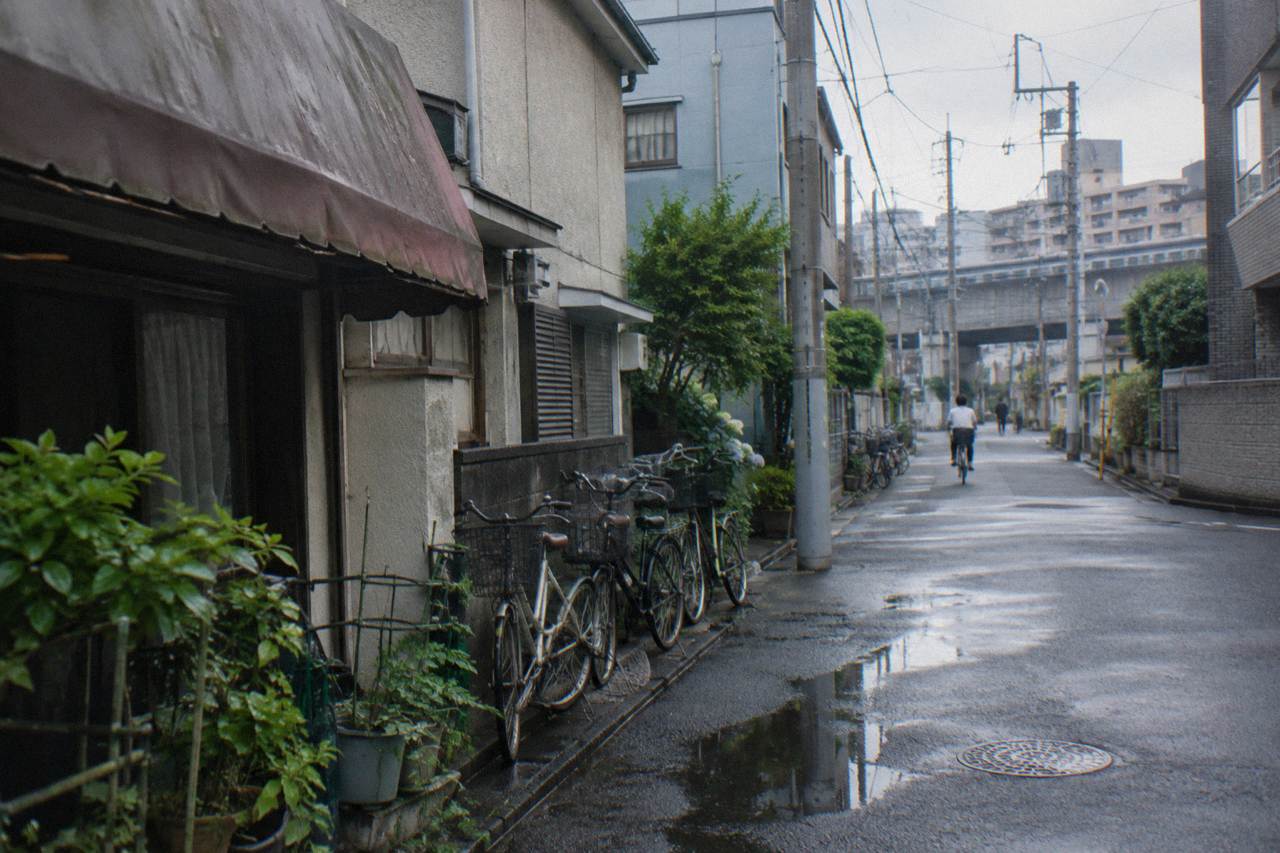
Short answer
Cycling in Tokyo is practical and popular: rules favor the roadway on the left, a blue-ticket fine system applies from April 2026 to riders 16 and over, helmets are an effort obligation, and liability insurance is required by Tokyo ordinance. Guided tours run from $46 per person, and bike share costs about 165 yen per 30 minutes.
Tokyo runs on bicycles. Commuters pedal to stations, mothers carry two children on mamachari frames, and delivery riders weave through backstreets at every hour. For a visitor, a bike unlocks a layer of the city that trains skip entirely: temple lanes in Yanaka, the levee paths along the Arakawa, the shop streets of Koenji. The rules changed recently and meaningfully, so the practical answer to riding here starts with law, not scenery. Since 1 April 2026 a fixed-fine "blue ticket" system applies to bicycle violations, and it explicitly covers foreign visitors. This page walks through the whole picture: the rules, bike share, rental, guided tours, routes and seasons, in the order a traveler actually needs them. If you want the short answer first, the guide to Japan's cycling rules for overseas visitors confirms that tourists can indeed ride, and explains what helmets, insurance, and guided tours mean in practice.
What Do Visitors Need To Know Before Cycling In Tokyo?
Before riding in Tokyo, a visitor needs four things straight: bicycles legally belong on the left side of the roadway, liability insurance is required by a Tokyo ordinance dating from April 2020, helmets are an effort obligation rather than a fine-backed mandate, and the blue-ticket fine system that began in April 2026 applies to riders aged 16 and over regardless of nationality.
The Tokyo Metropolitan Police maintain an English traffic rules page that states plainly that cyclists will be issued tickets for traffic offences, and the official city tourism guide repeats that this also applies to tourists from overseas. None of this makes Tokyo hostile to cyclists. It makes it a city where the etiquette is knowable in advance, and where a visitor who rides predictably on the left, stops at signals and keeps off the phone will have no contact with enforcement at all.
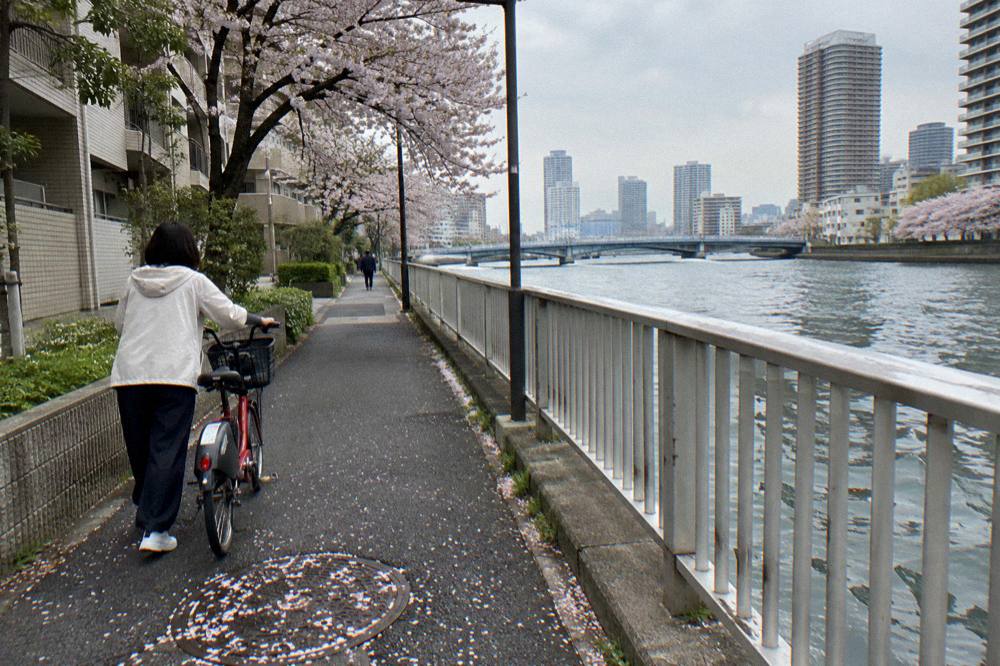
Insurance sounds intimidating but usually is not. The Metropolitan Police insurance page explains that home, auto, travel or credit-card policies carrying a personal liability rider can satisfy the requirement, and that bicycle rental businesses must insure the renter's use and tell renters what the coverage includes. Anyone joining a guided tour is riding an operator's bike under the operator's cover. The courts behind the rule are sobering: civil judgments against uninsured riders in Japan have reached tens of millions of yen in serious injury cases.
Helmets sit in a softer category. Since April 2023 every cyclist of any age must endeavor to wear one, with no fine attached, and most tours in the city include one in the price. The stakes are real: the police report that 63.5 percent of cycling deaths in Tokyo between 2021 and 2025 involved fatal head injuries, and that the fatality rate without a helmet is 2.3 times higher. The companion Tokyo Bike Tours pages cover the rule detail on the dedicated Japan cycling rules for tourists guide.
- City Bike Tours$32.39
- Private Tours$45.35
- Night Rides$55.06
- E-Bike Tours$61
- Day Trips By Bike$76
Is Tokyo Good For Cycling?
Tokyo is genuinely good for cycling, with caveats. The core wards are almost entirely flat, side streets form a calm grid that guides use to dodge the big avenues, riverside paths line the Sumida and Arakawa, and the city is adding bike lanes. Against that, sidewalk crowding, tight parking enforcement and humid summers are real constraints, and a guided ride such as the Small-Group Long City Ride, rated 5.0 across 1,308 reviews, exists largely to handle them.
Since sidewalk riding is only permitted in certain spots, our plain-English guide to where cyclists may legally ride in Tokyo covers roadway priority, sidewalk exceptions, helmet rules, and how tours handle the streets.
Flatness is the quiet advantage. Apart from the Musashino terraces in the west and a few overpasses, central Tokyo presents a rider with almost no climbing, which is why a six-hour tour of about 20 kilometers is a comfortable day rather than an ordeal. Route guides describe a roughly 30-kilometer riverside stretch along the Arakawa levees between Ukima Park in the north and Kasai Rinkai Park on the bay, and report that sections of the path around the Kinegawa bridge area run without traffic lights.
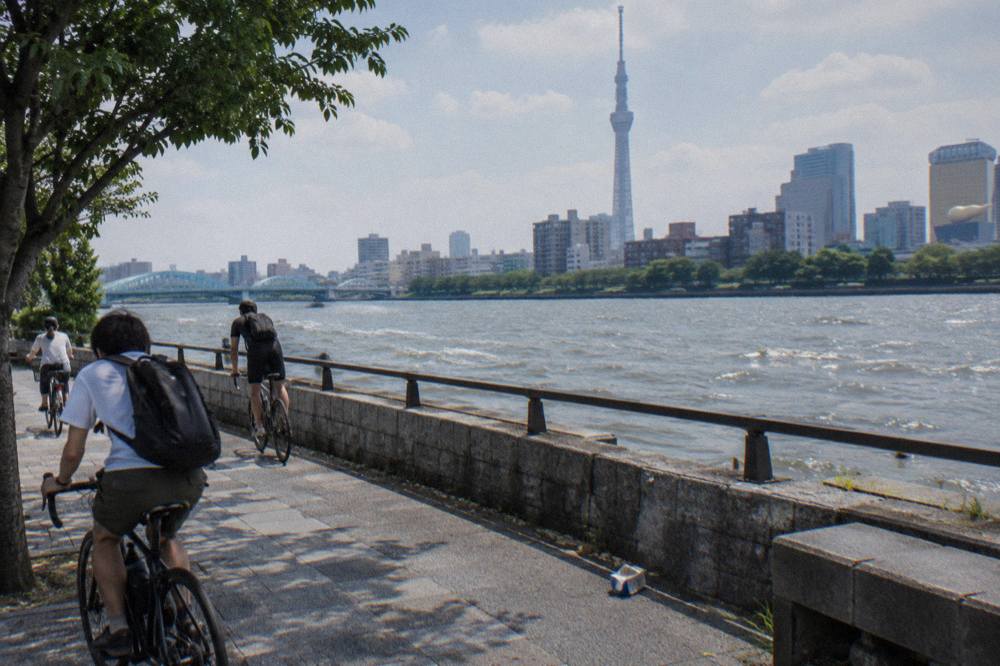
The city has also committed to building out protected infrastructure. Reporting from August 2026 describes a plan to roughly double Tokyo's bike-lane network to about 900 kilometers by 2030, a response partly credited to the new fine regime. Visitors will not notice targets, but they will notice the slow spread of painted lanes on major arteries, and the habitual Tokyo technique of routing bicycles down residential lanes one block off the main road. That technique is exactly what a good guide sells: the 4-Hour Downtown Backstreets Ride, rated 4.9 across 124 reviews, and the Shibuya-Harajuku 3-Hour Ride, rated 4.8 across 57 reviews, both sell the backstreet layer of the city rather than its arterials.
The honest negatives are crowding and summer. Sidewalks in Shibuya or Asakusa can be impassable at a walking pace, let alone riding pace, and guides commonly dismount groups and walk bikes across the busiest crossings. Between late June and September, heat and humidity dominate: JMA 1991 to 2020 normals for the Tokyo station put August's mean daily maximum at 31.3 degrees C. None of this argues against cycling. It argues for morning starts, water, and a route plan, which is what the rest of this page provides.
What Are The Cycling Rules In Tokyo?
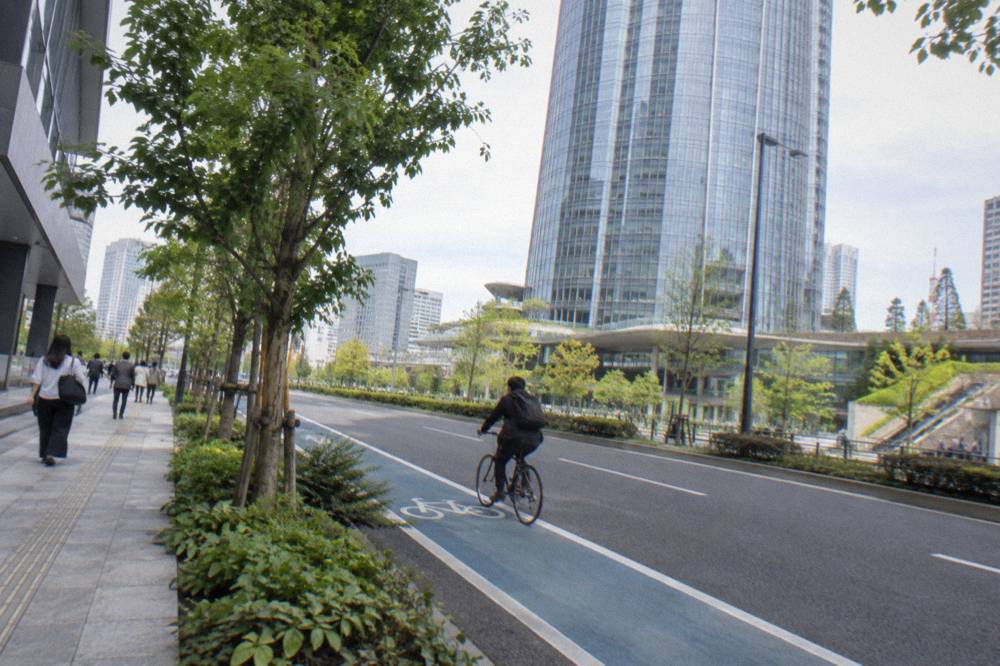
Tokyo cyclists must keep to the left of the roadway, use sidewalks only where a sign permits or for riders under 13, over 70, or with a disability, obey signals and stop signs, never hold a phone or ride two abreast, and carry a lit lamp at night. From 1 April 2026, the blue-ticket system applies fixed fines of 3,000 to 12,000 yen to riders 16 and over, though helmets remain an effort obligation without a fine.
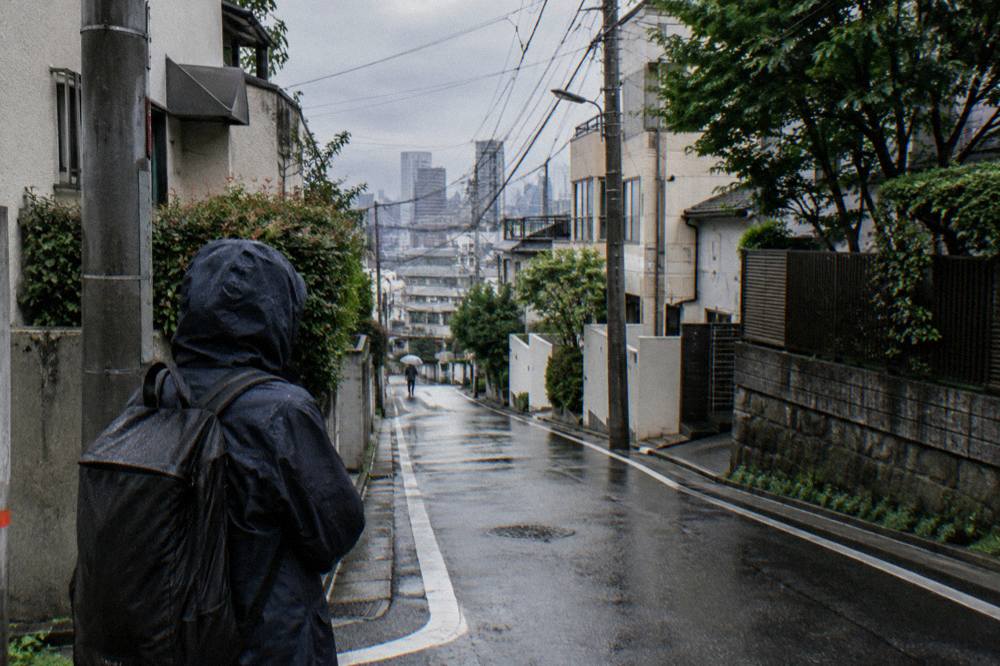
The police bicycle rules page is the primary source, and it frames the bicycle as a light vehicle whose default place is the road, on the left. Sidewalk riding is the exception, allowed under a "bicycles may use sidewalk" sign, for young children and older riders, or when the roadway is genuinely unsafe, and even then the duty is to slow to walking pace near the curb edge and stop for pedestrians. On a permitted sidewalk, failing that slow-and-yield duty carries a 3,000 yen fine; riding a sidewalk where it is not permitted at all remains a criminal matter with penalties up to three months or 50,000 yen in the text of the rules.
| Violation | Fixed fine (yen) | Note |
|---|---|---|
| Holding a phone to talk or watch its screen | 12,000 | Highest bicycle fine; dangerous use can be criminal |
| Running a red light | 6,000 | Same tier as riding against traffic |
| Riding against traffic / wrong side | 6,000 | Applies on one-way streets too |
| Riding without a light at night | 5,000 | White or pale-yellow lamp visible at 10 m |
| Umbrella or earphones blocking sound | 5,000 | One earbud free is the safe reading |
| Failing to stop at a stop sign | 5,000 | The most common ticketed violation citywide |
| Riding two abreast | 3,000 | Prohibited except on rare signed roads |
| Carrying a passenger | 3,000 | Child seats excepted |
Two clarifications matter for visitors. First, officers normally give guidance and a warning first; the police notice on the 2026 system describes tickets as the response to malicious or dangerous violations, not to a nervous tourist wobbling on the wrong side of a quiet street. Second, drunk cycling is not a blue-ticket matter at all: it is criminal, carrying up to five years imprisonment or a fine up to 1,000,000 yen for impaired riding. One quirk in visitors' favor: Tokyo permits two-person tandem bicycles on all public roads in the prefecture, an unusual allowance nationally. Anyone wanting the fine detail beyond this summary should read the dedicated Japan cycling rules for tourists page.
How Does Bike Share Work In Tokyo?
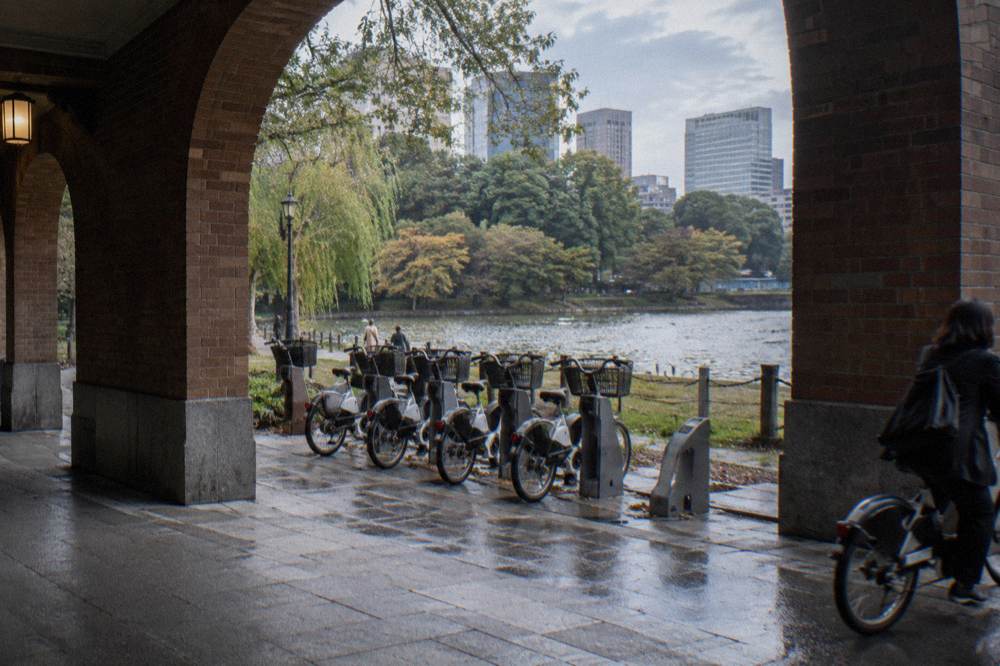
Bike share in Tokyo means two main networks: Docomo Bike Share, with electric-assist bikes returned to fixed ports across 16 central wards at 165 yen per 30 minutes, and HELLO CYCLING, a nationwide app network with per-prefecture pricing that one account can use anywhere. A Docomo day pass costs 1,650 yen, and both systems accept foreign credit cards through their apps.
Docomo's official Tokyo price page lists one-time use at 165 yen for the first 30 minutes and 165 for each further 30 minutes, a monthly plan at 3,300 yen with the first 30 minutes of every ride free, and a same-day pass at 1,650 yen bought at a convenience store, or 2,200 yen with an IC card, valid until 23:59. Registration needs a smartphone and a credit card, and the pass route requires an SMS-capable phone, which matters for travelers using data-only SIMs. The constraint that shapes every Docomo trip: bikes must go back to a Bike Station, and extension fees keep running if a bike is left elsewhere. With hundreds of ports across the central wards, that is usually easy, but it rules out the point-to-point freedom a visitor might imagine.
| System | Bike type | Price basis | Return rule | Visitor access |
|---|---|---|---|---|
| Docomo Bike Share | Electric assist | 165 yen per 30 min; day pass 1,650 or 2,200 yen | Fixed ports only | App plus foreign card; pass needs SMS phone |
| HELLO CYCLING | City, sport, e-bike mix | Set per prefecture and vehicle in the app | Any HELLO CYCLING station | App with English support, foreign card |
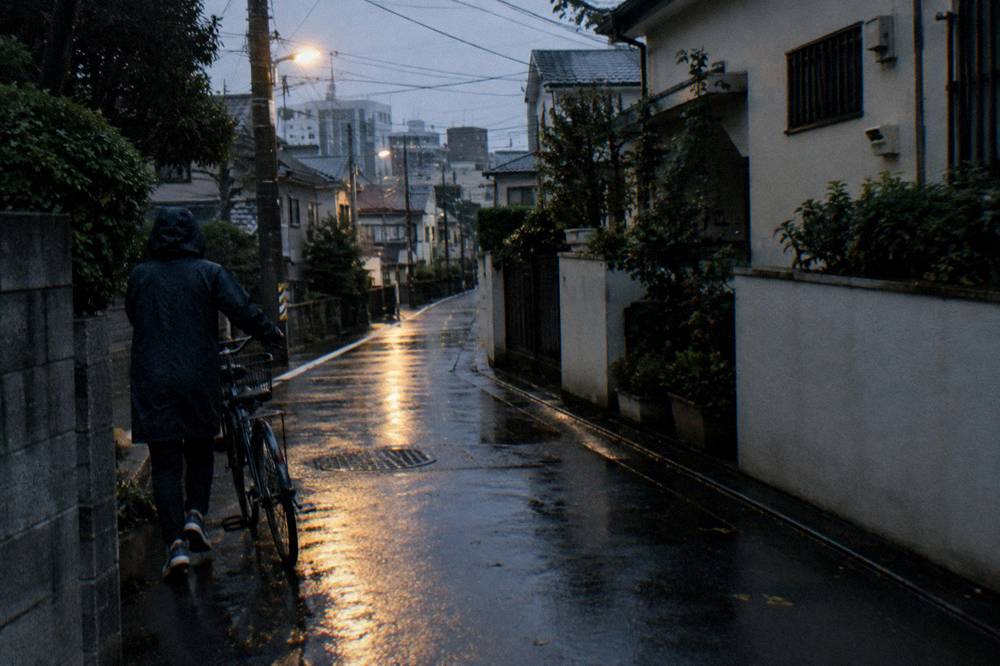
HELLO CYCLING works differently: one account spans a nationwide network, prices are set per prefecture and vehicle type and display in the app before unlocking, and bikes can be returned to any partner station rather than the operator's own docks. Reports on its Tokyo rates suggest city cycles around 160 yen for the first 30 minutes with e-bikes higher, but the official price page loads values dynamically, so treat the app as the source. The city tourism office also lists smaller services. Helmets are not a standard provision of either system, so a rider who wants one carries their own or rents from a shop. For the full comparison, including where share beats rental, see the Tokyo bike share and rental guide.
Should You Rent A Bike Or Join A Guided Tour In Tokyo?
Renting suits a confident rider with a route plan and costs a few thousand yen a day plus insurance; a guided tour suits anyone who wants local knowledge, a legal, insured bike and a curated route, with prices from $46 to about $107 per person on this site's options. Food-focused and family itineraries tilt toward tours; long riverside rides tilt toward rental.
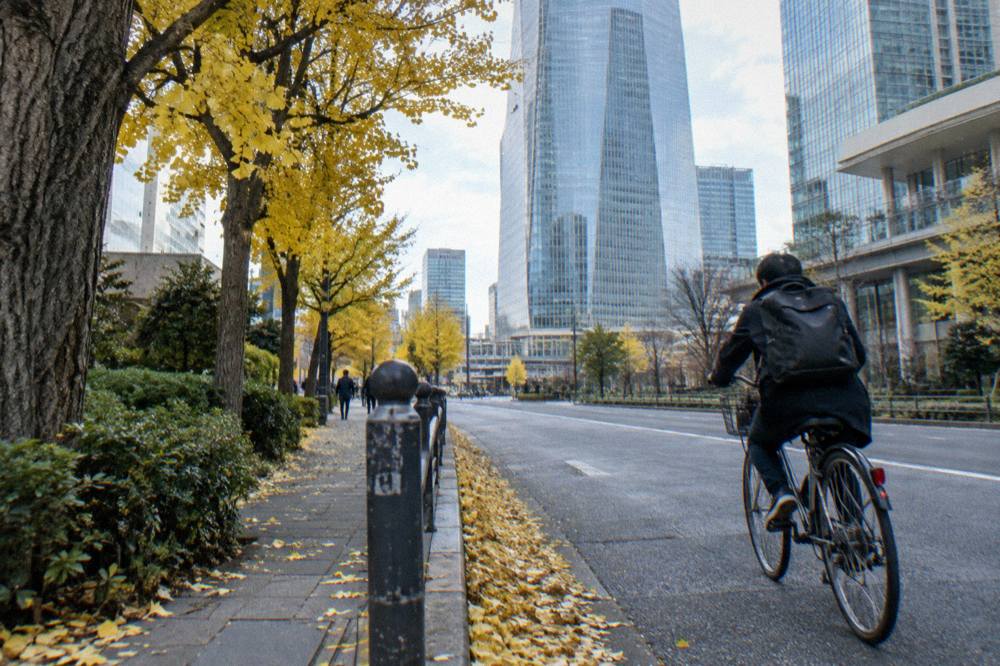
The tour side of the ledger is stronger than many visitors expect, because the guide absorbs the three hard parts of Tokyo cycling: route legality, parking, and the rulebook described above. The 3-Hour Highlights, Bike or E-Bike ride from TRB BIKE TOUR, rated 4.9 across 980 reviews, lets each rider choose pedal or electric assist and starts from the Statue of Commodore Perry, while the Local Life E-Bike, Starts Near Station, rated 4.9 across 753 reviews, keeps groups at six and begins steps from a station.
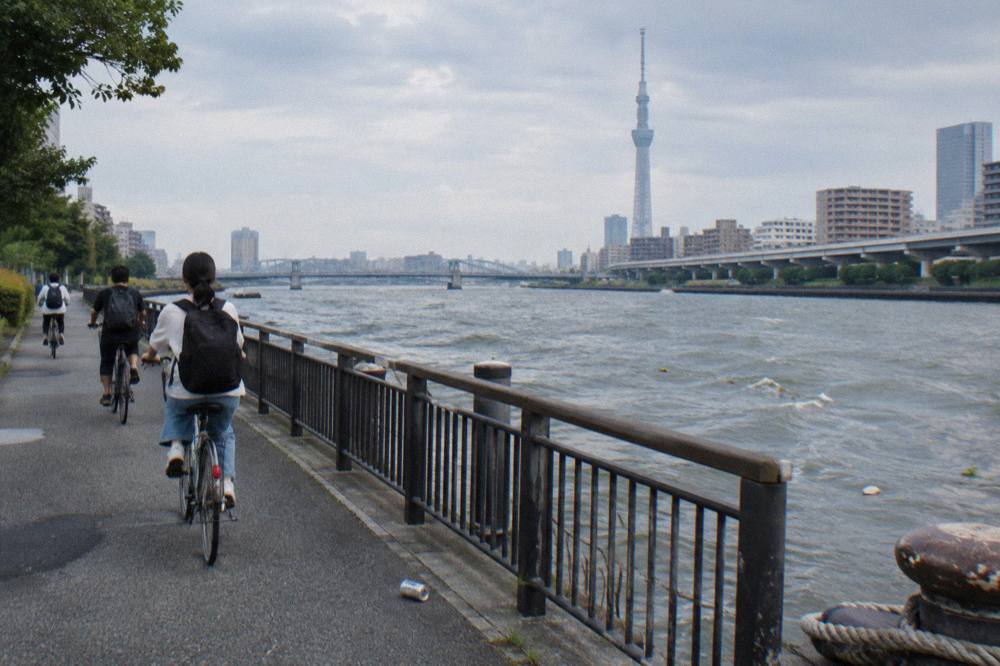
Budget and duration spread widely. The 2.5-Hour Central Short Ride runs from $51.82 per person with a 5.0 rating across 25 reviews; the Flexible 3-6 Hour Small-Group Ride runs from $64.78 per person, rated 4.9 across 212 reviews; and full-day options such as the 6-Hour Full City Ride, from $97.17 per person, rated 4.9 across 842 reviews, cover the widest slice of the city. Where a private format matters, a couple or family can take the Harajuku Shop Private Road Bike from a Harajuku shop, rated 5.0 across 22 reviews, from $129 per person.
| Tour | Duration | Price from (per person) | Rating and reviews | Group max |
|---|---|---|---|---|
| 2.5-Hour Central Short Ride | 2h 30m | $51.82 | 5.0 across 25 reviews | 6 |
| 3-Hour Highlights, Bike or E-Bike | 3 hours | $61.54 | 4.9 across 980 reviews | Not stated |
| Flexible 3-6 Hour Small-Group Ride | 3 to 6 hours | $64.78 | 4.9 across 212 reviews | 8 |
| West-Side Cycling With Food Stops | 3h 30m | $106.89 | 5.0 across 223 reviews | 8 |
| 6-Hour Full City Ride | 6 hours | $97.17 | 4.9 across 842 reviews | 12 |
| Small-Group Long City Ride | 6h 30m | $106.89 | 5.0 across 1,308 reviews | 5 |
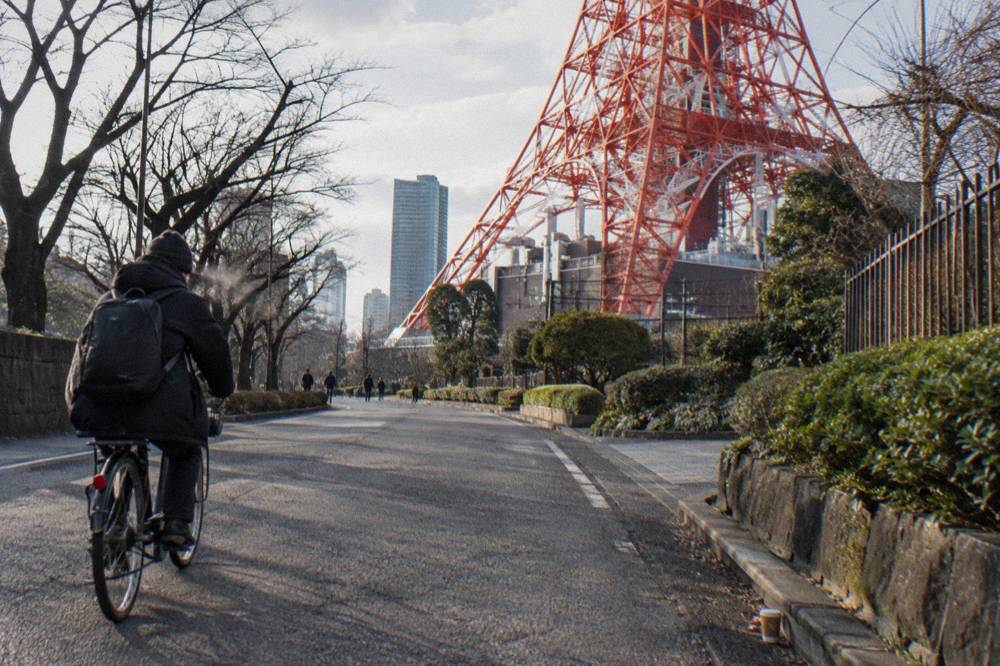
Rental flips the economics for long or repetitive days. Independent shops rent standard city bikes by the day, and while this site prints no specific shop rate, the general pattern reported across Tokyo rental pages is a few thousand yen per day for a city bike and considerably more for road bikes. The rental rider takes on parking law personally: wards impound bikes parked near stations, and Minato City, for example, charges a 2,000 yen release fee for an impounded bicycle. Riders weighing the formats in detail will find the private versus group tour comparison and the Tokyo bike rental guide worth a stop.
Where Are The Best Places To Cycle In Tokyo?
The best cycling in Tokyo splits into four families: riverside paths along the Sumida and Arakawa, old low-rise districts such as Yanaka and Asakusa, the bayfront around Odaiba, and the Imperial Palace perimeter, a roughly 5-kilometer loop that becomes partially car-free on Sundays. Guided backstreet tours concentrate on the second family because calm lanes, not landmarks, are what make Tokyo rideable.
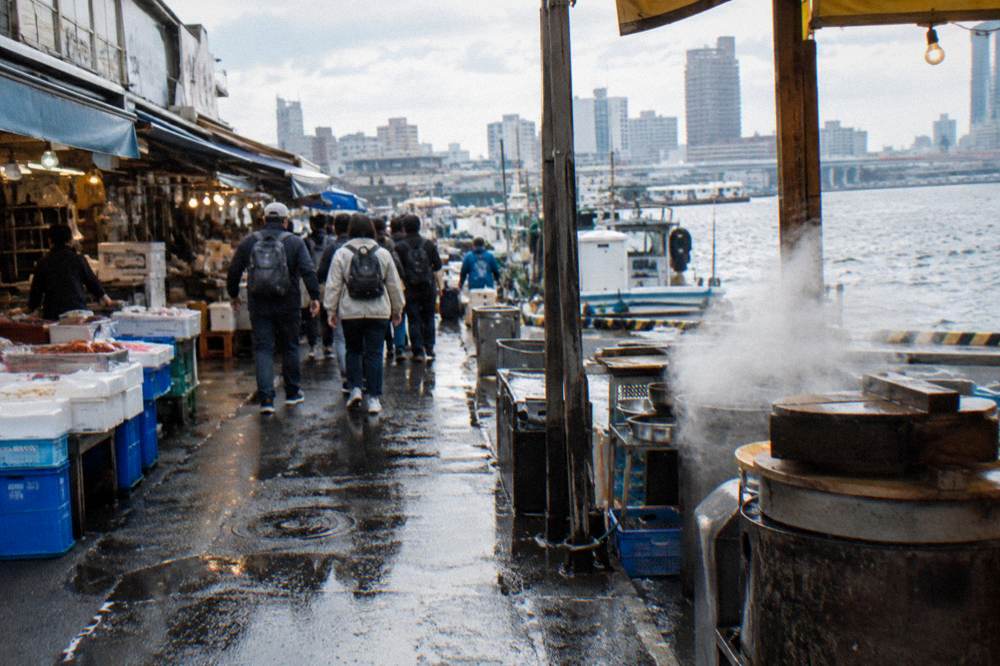
The Palace loop is the classic quick ride. The full perimeter runs about 5 kilometers on ordinary roads at any time, and route guides describe a Sunday "Palace Cycling" program that opens a roughly 3-kilometer moat-side segment to bicycles from 10:00 to 16:00, weather permitting. Riverside riding scales up from there: fresh route reporting describes an Arakawa levee path of roughly 150 to 160 kilometers in total, with a scenic stretch of about 30 kilometers from Ukima Park down to Kasai Rinkai Park, passing the red and blue water gates that regulate flow between the Arakawa and Sumida channels.
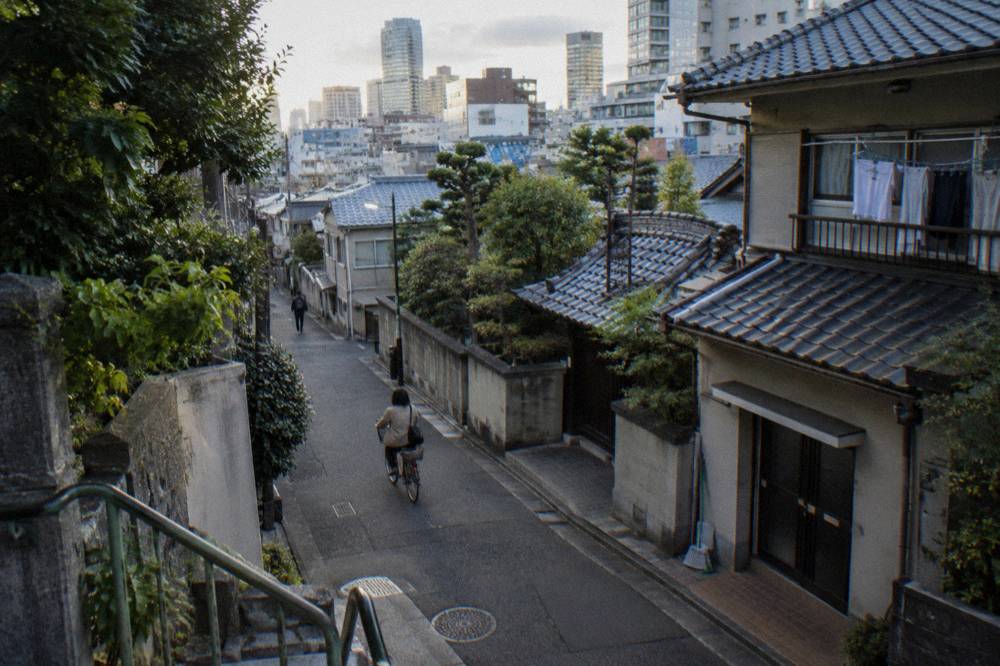
Neighborhood riding is where the food and backstreet tours earn their keep. The West-Side Cycling With Food Stops tour from DIG Tokyo Tours, rated 5.0 across 223 reviews, starts at Koenji Station and threads western Tokyo's shotengai eating streets in groups of up to eight, from $106.89 per person with the total depending on group size. It is the clearest example of a tour format that rental struggles to replicate, since the stops are the product as much as the riding.
Bayfront riding rounds out the map. The official city tourism guide highlights Sumida River routes linking Asakusa toward Skytree and bayfront paths onward toward Odaiba, and event reporting notes that the Rainbow Bridge and Tokyo Gate Bridge, normally closed to cyclists, open on designated ride days. Yoyogi Park added its own wrinkle in April 2026: its main cycling course now operates as bicycle-dedicated from 9:00 to 17:00, shared with runners outside those hours. Deeper dives live on the route pages, including Sumida River cycling routes and the neighborhood guides.
When Is The Best Season For Cycling In Tokyo?
The best seasons for cycling in Tokyo are late March to April for cherry blossoms and October to November for cool, dry air and autumn color; midsummer is the hardest window, with August averaging a mean daily maximum of 31.3 degrees C. Rain peaks in September and October, at 224.9 and 234.8 millimeters respectively, so the driest riding months are December through February.
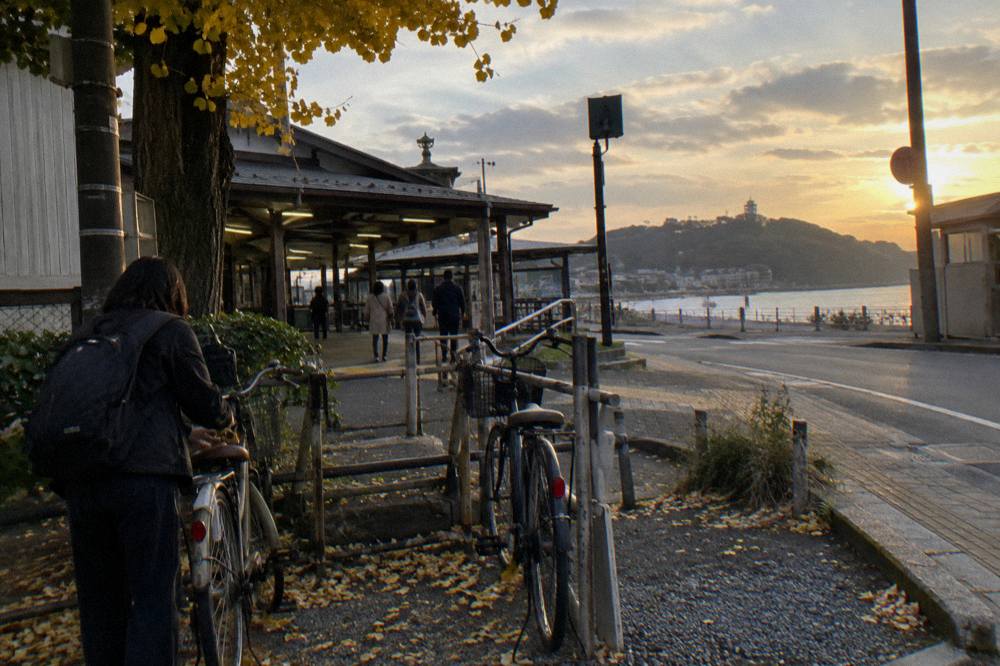
The JMA 1991 to 2020 normals for the Tokyo station give the full picture, and the table below condenses it to the months a cyclist cares about. The 2026 blossom season illustrated the trend: first bloom landed on 19 March, five days ahead of the 24 March normal, with full bloom on 28 March against a 31 March normal, which is why blossom-season tours fill early and morning starts matter.
| Month | Mean daily max (C) | Mean daily min (C) | Precipitation (mm) | Cycling read |
|---|---|---|---|---|
| January | 9.8 | 1.2 | 59.7 | Cold, dry, sunny; dress warm |
| March | 14.2 | 5.0 | 116.0 | Blossom season, mild days |
| April | 19.4 | 9.8 | 133.7 | Prime riding month |
| June | 26.1 | 18.5 | 167.8 | Rainy season; humid |
| August | 31.3 | 23.5 | 154.7 | Heat is the constraint |
| October | 22.0 | 14.8 | 234.8 | Cool but the wettest month |
| November | 16.7 | 8.8 | 96.3 | Autumn color, dry air |
| December | 12.0 | 3.8 | 57.9 | Quiet and clear, often with Fuji views |
Autumn deserves its reputation. Forecasts for 2026 put central Tokyo's maple peak around 28 November, close to the long-term average, with ginkgo yellow around 26 November, and November combines that color with the year's fourth-driest month. Winter riding is the insider pick: January is the coldest month at a mean of 5.4 degrees C, but it is also among the driest, and clear winter days are when the Fuji views open up from the western levees. The full month-by-month breakdown, including rainy-season tactics, sits on the best time to cycle in Tokyo page and in the rain-riding guide.
How Much Does Cycling In Tokyo Cost?
A guided Tokyo bike tour costs from $46 to about $107 per person for group formats, with private rides from $45.35 per person upward depending on group size; bike share costs roughly 165 yen per 30 minutes or 1,650 yen for a day pass; and the incidental costs are insurance, which many travelers already carry through a credit-card policy, and parking, where an impounded bike costs 2,000 yen to release in Minato City.
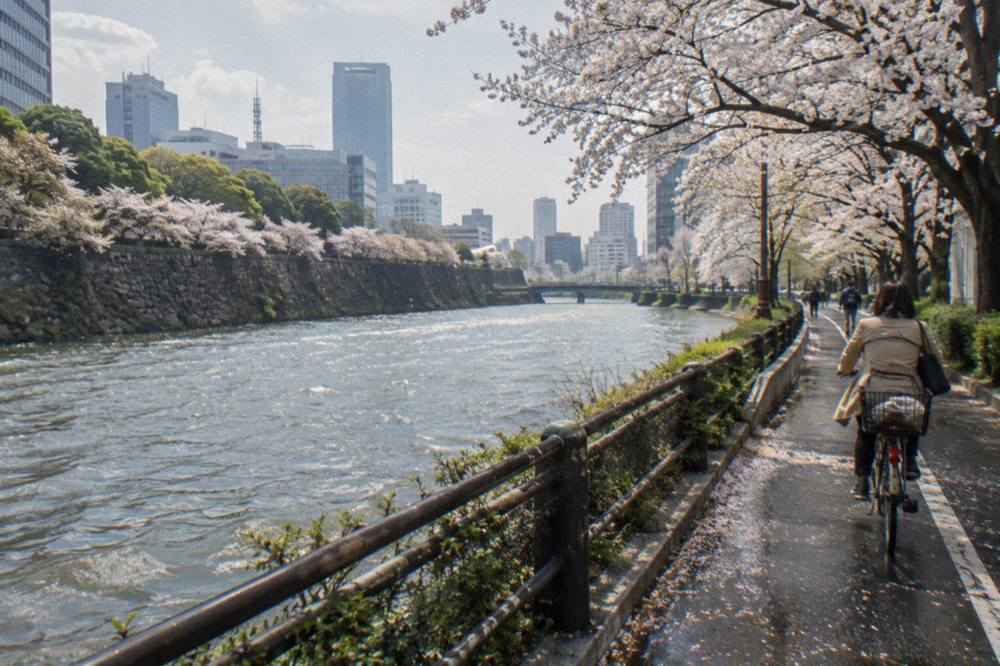
The tour ladder is the easiest to budget because every price below is a per-person from-price printed on the operator's booking page. At the short end, the 2-Hour Night Lights Ride runs from $55.06 per person, with the total depending on group size; it is rated 5.0 across 31 reviews. Mid-range, the Flexible 3-6 Hour Small-Group Ride from $64.78 per person offers duration choice. At the full-day end, the Small-Group Long City Ride from $106.89 per person, rated 5.0 across 1,308 reviews and capped at five riders, is the most reviewed premium option. Food tours such as the West-Side ride sit at the same $106.89 mark with tastings folded in.
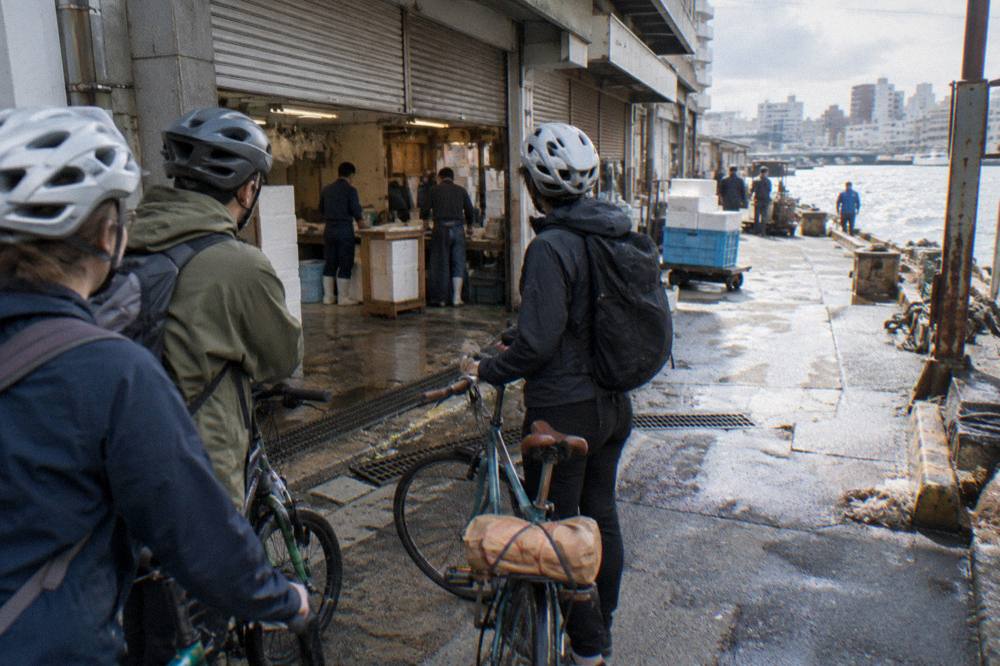
Fixed Fines For Cycling Violations In Tokyo
Blue-ticket system from 1 April 2026, riders 16 and over
| Cost item | Typical range | Basis |
|---|---|---|
| Short group tour (2 to 3 hours) | $46 to $64.78 per person | Operator from-prices |
| Half-day group tour (3 to 4 hours) | $55.06 to $106.89 per person | Operator from-prices |
| Full-day group tour (6 hours plus) | $97 to $106.89 per person | Operator from-prices |
| Private tour (3 hours) | $45.35 to $156.77 per person | From-prices, total depends on group size |
| Bike share | 165 yen per 30 min; 1,650 yen day pass | Docomo official Tokyo rates |
| Impound release (Minato City) | 2,000 yen | Ward impound fee |
Two costs surprise visitors. Night premium rides exist well above the standard band, such as the Night Hidden Gems E-Bike at from $142 per person, rated 4.8 across 27 reviews, where the electric fleet and small group drive the price. And the Certified Guide, 5-Hour History Ride shows how low the floor goes, from $32.39 per person, though with only four reviews so far it carries no star claim here. Set against the day-pass arithmetic, a guided tour starts looking like routing, equipment, insurance and a local's knowledge bundled into a single predictable number.
Common Questions About Cycling In Tokyo
Is Tokyo Good For Cycling?
Yes, with qualifications. Central Tokyo is almost entirely flat, backstreet grids give calm alternatives to main roads, riverside paths run for tens of kilometers, and the lane network is expanding. Crowded sidewalks, strict parking enforcement and humid summers are the trade-offs, and guided tours from $46 per person exist largely to manage them.
Can Tourists Ride Bikes In Tokyo?
Yes. Foreign visitors can rent bikes, use bike share with a foreign credit card, or join guided tours, and the police English rules page states that the ticket system applies to overseas visitors the same as residents. The practical barriers are low: a smartphone, a card, and a working knowledge of riding on the left.
Are Helmets Mandatory In Tokyo?
No. Since April 2023 helmet use is an effort obligation for every age, meaning riders should try to wear one, with no fine attached. Most guided tours include a helmet in the price, and the police link 63.5 percent of Tokyo's cycling deaths between 2021 and 2025 to fatal head injuries.
Is It Safe To Cycle In Tokyo?
Broadly yes. Enforcement emphasizes guidance first, drivers are accustomed to bicycles, and tour accident records on this site's options show no pattern of concern. The real risks are pedestrian-dense sidewalks, night riding without a lamp, which carries a 5,000 yen fine, and summer heat rather than traffic violence.
How Much Does A Tokyo Bike Tour Cost?
Group tours run from $46 per person for an 80-minute ride to about $107 for a full six-and-a-half-hour day, with most 3-hour options between $51.82 and $64.78. Private tours start at $45.35 per person and rise with group size and format, and every price is a from-price on the operator's booking page.
What Is The Best Month To Cycle In Tokyo?
April for blossoms and mild air, November for autumn color and dry weather. By the JMA 1991 to 2020 normals, April averages a mean daily maximum of 19.4 degrees C and November 16.7, while October is the wettest month at 234.8 millimeters of rain despite pleasant temperatures.