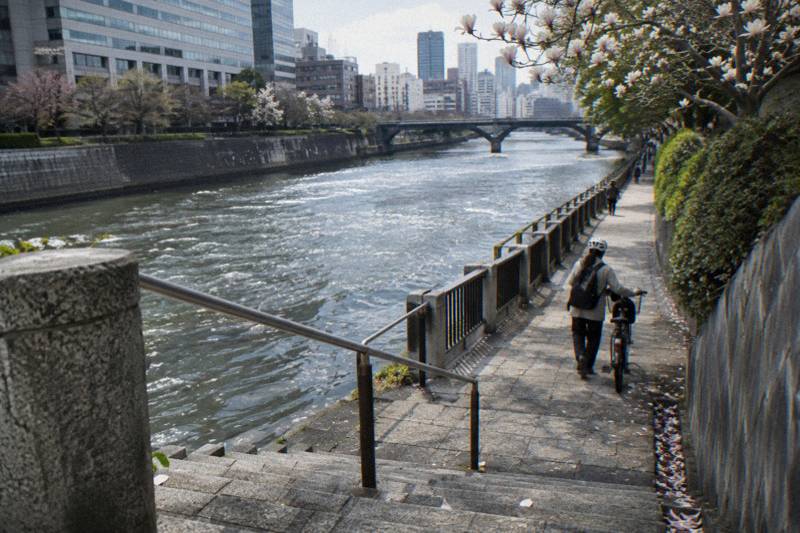
Imperial Palace Bike Tour: The Loop, The Moats And The Gates
The Imperial Palace loop is Tokyo's most famous short bike ride: a roughly five kilometre circuit of moats, stone walls and gardens in the middle of the city. Here is how to ride it, which guided tours include it, and what it costs.
Short answer
The Imperial Palace loop is a roughly 5 km circuit around the palace moats in central Tokyo. Guided tours that cover the palace area start from $45.35 per person for a private two hour e-bike ride, and the most reviewed option passing the palace, the 3-Hour Highlights tour, is from $61.54 per person with a 4.9 rating across 980 reviews.
The Imperial Palace occupies the site of old Edo Castle, and the road around its outer moats forms what is probably the most ridden short circuit in Tokyo. Commuters do it before work, club riders do it at dawn in pacelines, and visitors do it slowly, stopping at the gates, the gardens and the bridges. For a cyclist arriving in Tokyo with a few hours to spare, it is the one loop that combines history, water and greenery without ever leaving the city centre, and several guided tours fold it into their routes.
The most reviewed guided option that passes the palace area is the 3-Hour Highlights, Bike or E-Bike tour, rated 4.9 across 980 reviews and priced from $61.54 per person, with each rider choosing between a regular bike and an e-bike at the same meeting point near the Statue of Commodore Perry. That flexibility matters on this loop, because the circuit itself is flat and short, but tours that continue from the palace toward Asakusa or the bay add real distance. This guide, published by Tokyo Bike Tours, covers the loop itself, the tours that ride it, the costs, the timing and the rules that apply around the palace grounds.
What Is The Imperial Palace Bike Loop In Tokyo?
The Imperial Palace loop is the roughly 5 km perimeter road around the palace's outer moats and gardens in Chiyoda, at the centre of Tokyo, rideable on ordinary city roads on any day, with a reported car-free opening on a portion of the moat road on Sundays.
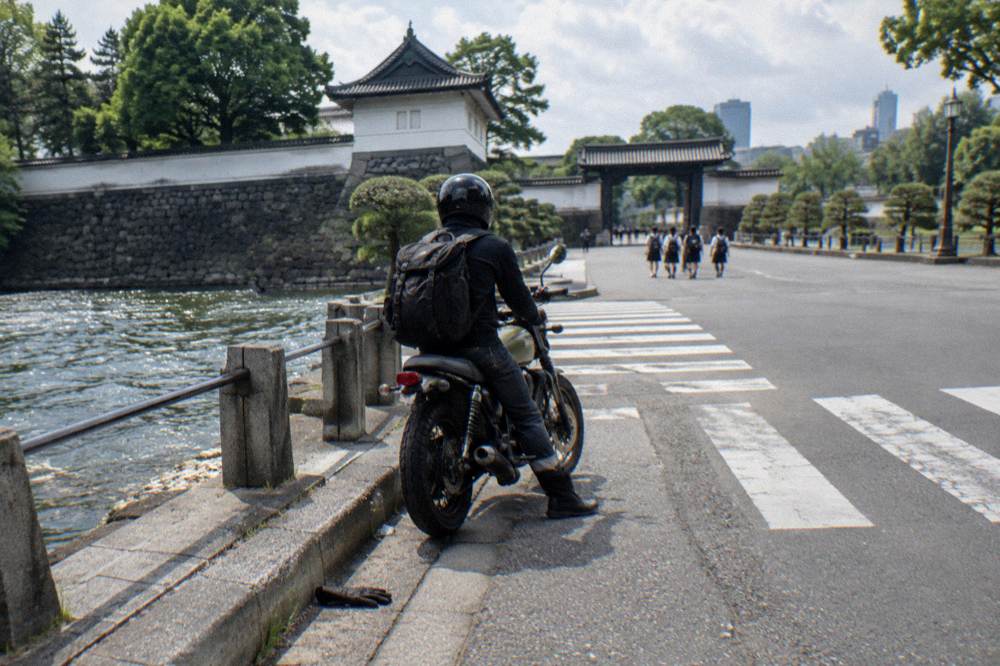
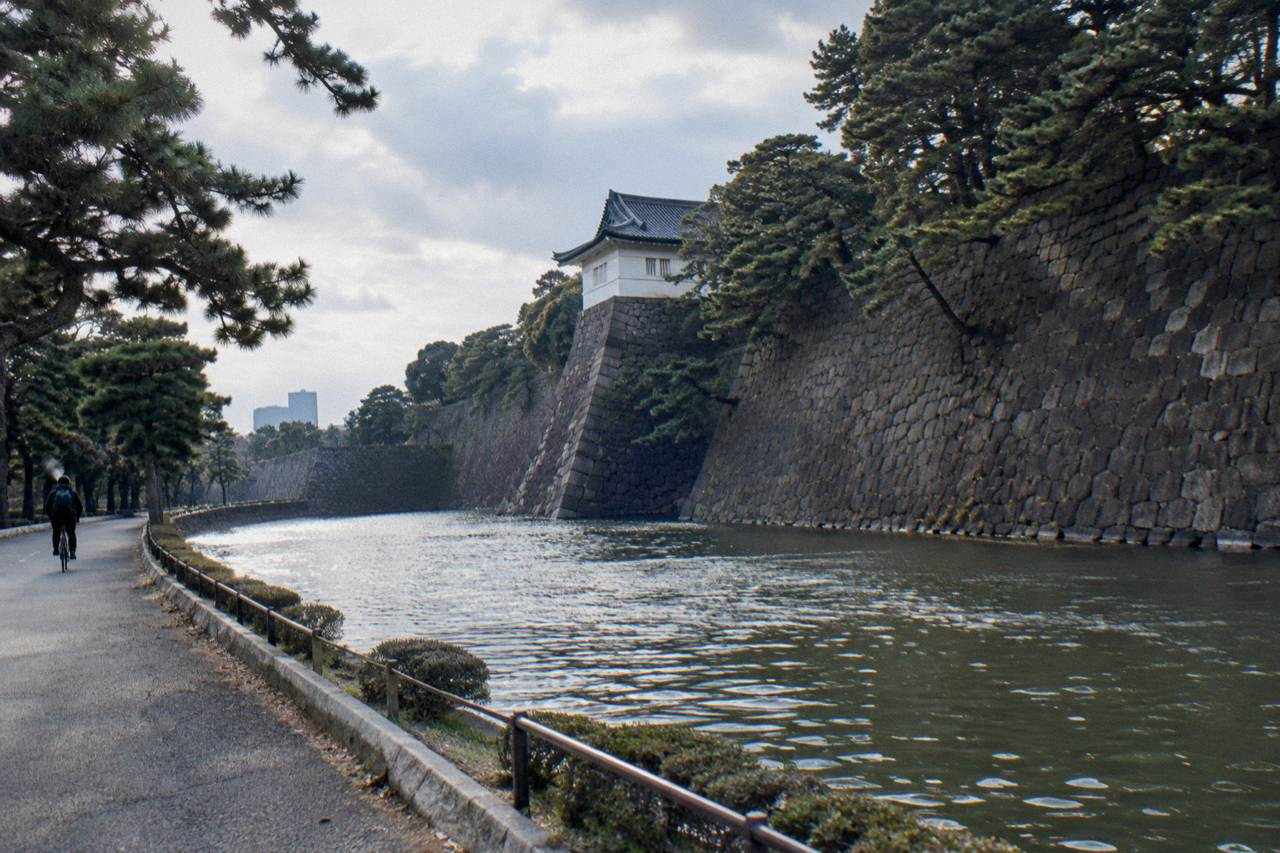
The circuit threads past stone walls, pine trees, the Diet Building nearby, and the famous bridges at the main gate, and it can be ridden in well under an hour at a casual pace. Route guides describe a Sunday arrangement, often called Palace Cycling, in which a stretch of the moat road is closed to cars and opened to bicycles, with free loaner bikes reported to be available on site. Because that arrangement is a fresh and seasonal claim rather than a permanent facility, treat it as reported, check locally, and do not plan a whole trip around it.
The loop's appeal is that it needs nothing from the rider. No booking, no special bike, no climbing. The perimeter road is public, traffic runs on it on ordinary days, and the pavements around the parks are wide in places. What the loop does not offer on a weekday is separation from cars, which is exactly why many visitors prefer to ride it with a guide who knows which sections feel comfortable and which gates are worth stopping at. The inner palace grounds themselves are only fully open to the public on limited occasions, but the East Gardens, reachable from the circuit, make a natural mid-ride stop, hours and closing days permitting.
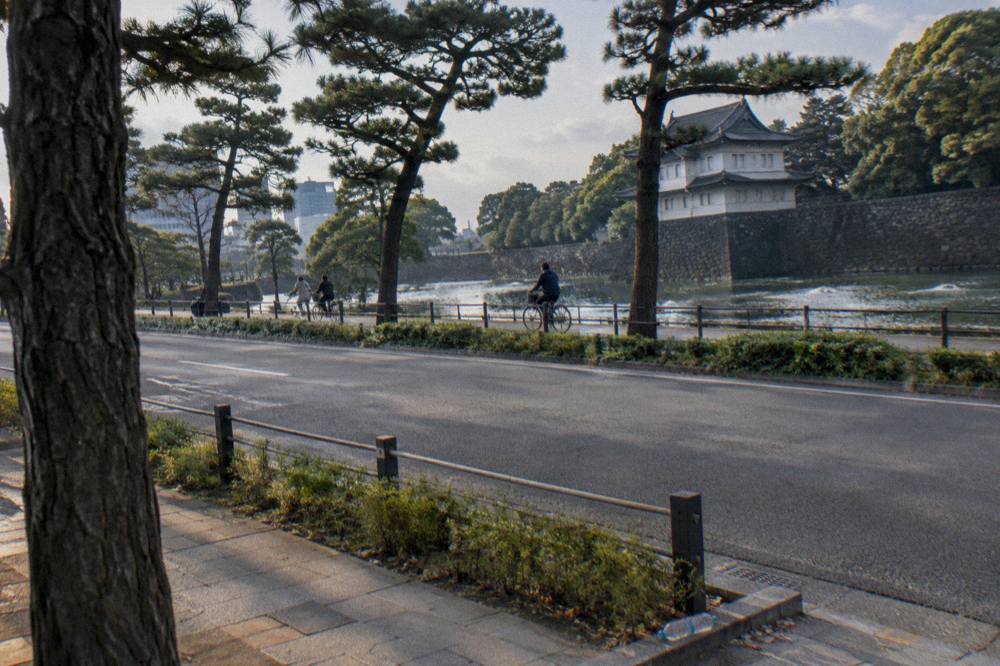
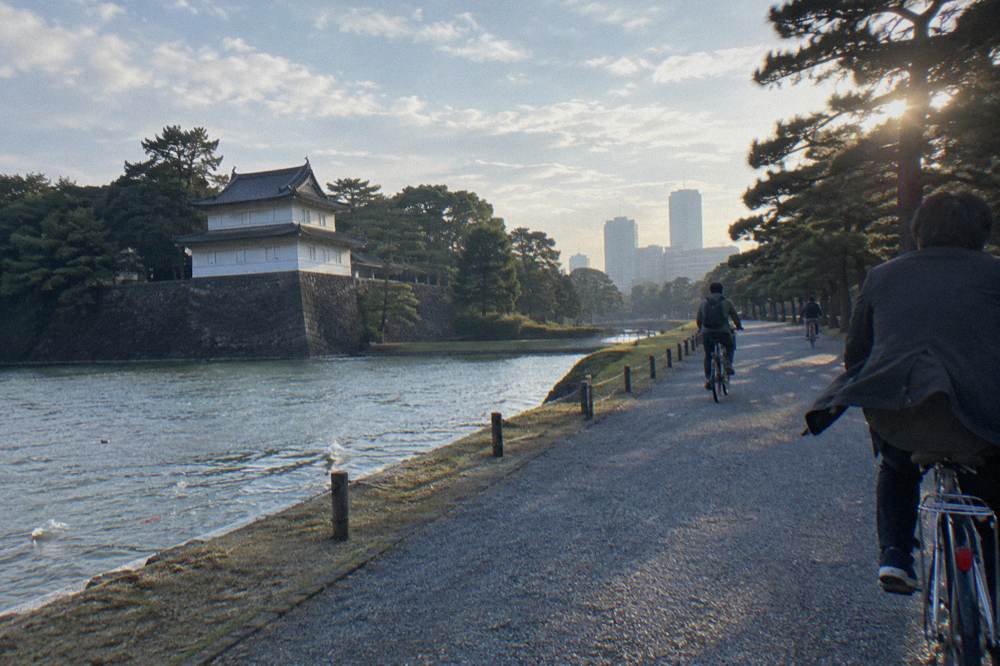
Geographically the loop connects several distinct faces of Tokyo in one circuit. The north side passes Budokan and the northern moats toward Yasukuni Dori. The east side faces the Marunouchi business district, with the Tokyo Station area a few blocks away, and the main gate bridges sit on this side. The south and west sides run past the Outer Gardens, Sakuradamon and the quieter administrative edges, where the riding calms down considerably. A rider doing the full perimeter sees glass towers, Meiji era fortifications and manicured gardens in the space of twenty unhurried minutes, which is a denser cross section of the city than most five kilometre stretches anywhere in Japan can offer.
Which Guided Bike Tours Ride Near The Imperial Palace?
Three tours on this site run near the palace area: the 3-Hour Highlights tour from $61.54 per person, the Akihabara and Palace E-Bike Loop from $97.17 per person with a group maximum of four, and the Private 2-Hour E-Bike Ride from $45.35 per person, which explicitly offers a city or Imperial Palace route.
The highlights tour is the most reviewed of the three by a wide margin, and it is the natural choice for a first visit, since it spreads the palace segment across a broader city route. The e-bike loop suits riders who want a small group and a focused palace plus Akihabara combination, and the private two hour option suits anyone short on time who wants the palace as the headline rather than one stop among many.
The table below compares the three palace area options on the figures that matter when choosing. The private tour is listed from $45.35 per person, and its review pool is too small to support a rating claim.
| Tour | Bike type | Duration | Group size | Price per person | Reviews |
|---|---|---|---|---|---|
| 3-Hour Highlights, Bike or E-Bike | Rider chooses | 3 hours | Not stated | From $61.54 | 4.9 across 980 |
| Akihabara and Palace E-Bike Loop | E-bike | 3 hours | Max 4 | From $97.17 | 5.0 across 65 |
| Private 2-Hour E-Bike Ride | E-bike, private | 2 hours | Private | From $45.35 per person, private tour | 7 reviews |
The differences between these three are mostly about depth and pacing. The 3-Hour Highlights tour starts at the Statue of Commodore Perry and covers the city's principal sights, of which the palace area is one, and each rider picks a regular bike or an e-bike on the day. Its one quirk is the helmet: rental is not included and costs 1000 yen in cash if you want one. The Akihabara and Palace E-Bike Loop keeps its group to four riders maximum, includes the helmet, and pairs the palace with the electronics district, an odd sounding combination that works because the two areas sit closer together than most visitors expect. The private two hour ride is the cheapest entry point among the private options, a plain from price of $45.35 per person, so the live booking page is mainly there to confirm your date and secure a slot.
For riders weighing the palace loop against a broader first day in the city, three options stand out across the site's selection, shown below.
The Hidden Gems Ride from $63 per person covers the backstreets rather than the front doors, rated 4.6 across 114 reviews, and it carries free cancellation like every other tour here: cancel up to 24 hours in advance for a full refund. The 2-Hour Night Lights Ride, from $55.06 per person with the total depending on group size, turns the same central districts into an after dark experience, rated 5.0 across 31 reviews with a group maximum of six. Only the Night Lights Ride uses regular bikes; the Hidden Gems Ride offers bike or e-bike. If the palace loop is your anchor sight, the highlights tour remains the most direct way to reach it.
How Long Does The Palace Loop Take And What Will You See?
The perimeter loop itself is roughly 5 km and takes 20 to 40 minutes of riding time for a casual cyclist, but a visit with photo stops, the East Gardens and a bridge or two easily fills two to three hours, which is why the palace oriented tours run two to three hours rather than less.
The circuit is flat throughout, with no climb steeper than a bridge approach, and the surface is good asphalt nearly all the way around. Riders on the private two hour tour or the three hour guided options typically spend part of their total time actually on the perimeter, with the balance spread across the gardens, the gates and the connecting streets.
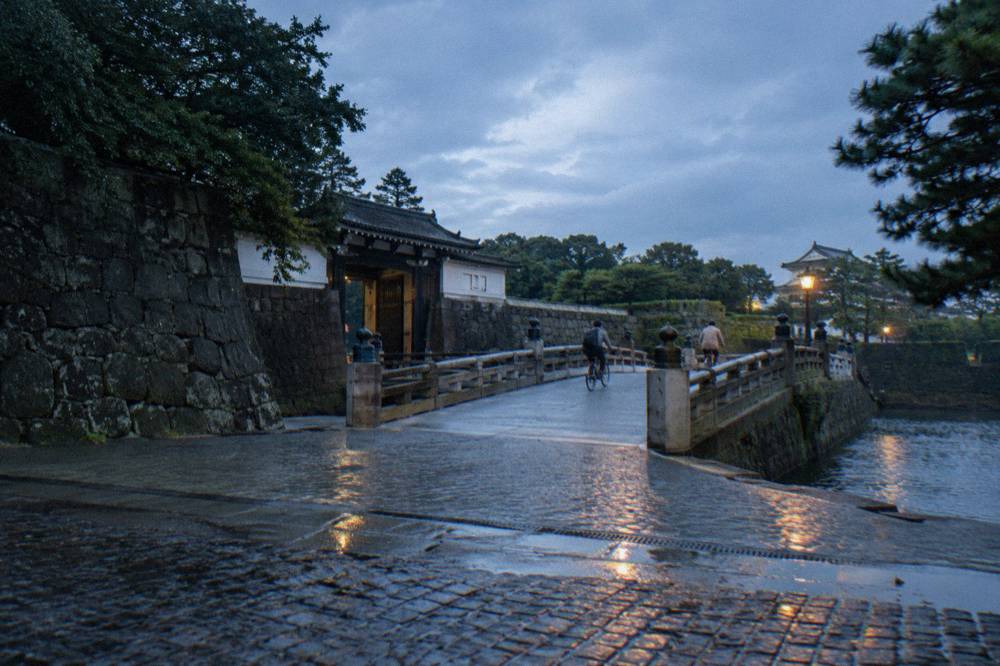
The sights around the loop reward slow riding. On the east side, the double bridge at the main gate is the palace's signature view, and nearly every tour stops there. The East Gardens, entered from the north east of the circuit, contain the base of the old castle keep and layered stone walls. Check the Imperial Household Agency for opening days. The south side passes Sakuradamon and the Outer Gardens, where the tree lined avenue toward the palace is one of the most photographed stretches in the city. On the north, Budokan and the surrounding parkland mark the transition toward Kitanomaru, which is arguably the prettiest quarter of the whole loop and the quietest on a weekday morning.
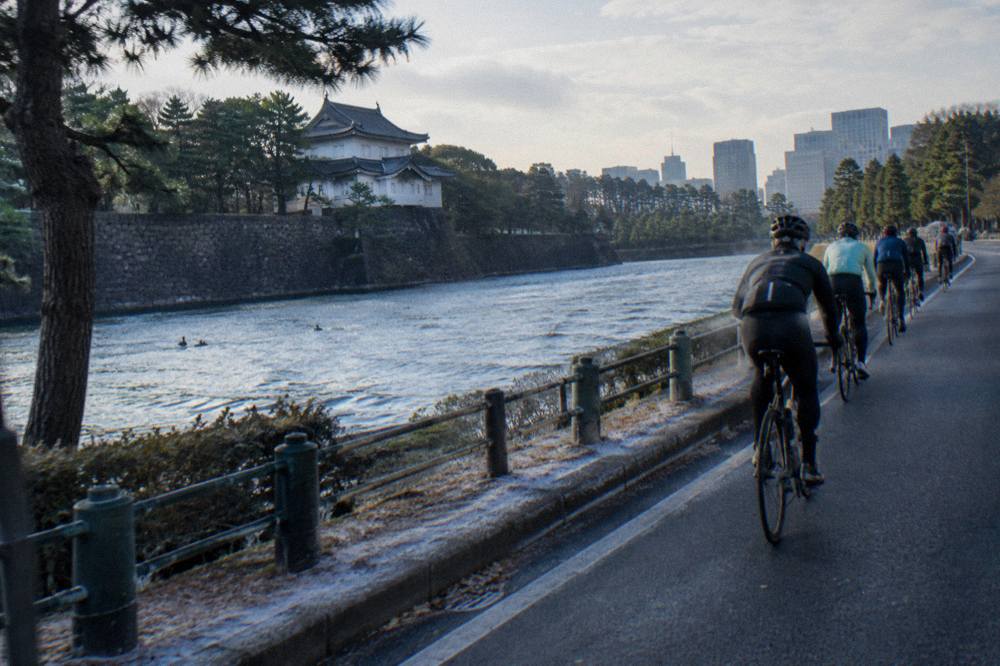
Timing changes the loop more than most rides. Early mornings bring club cyclists doing fast laps before work, and the road behaves like a training circuit. Midday brings tourists and school groups at the gates. Evenings bring joggers and commuters cutting through, and after dark the moat walls light up subtly while the Marunouchi towers glow behind them. A guided night option reframes the whole area: the 2-Hour Night Lights Ride pairs Shibuya and Tokyo Tower with central illumination, and while its route emphasises those districts rather than the palace moats, riders consistently find that central Tokyo after dark is a different city at cycling pace.
For riders combining the palace with rivers, the area connects naturally to longer routes. The loop sits a short ride from the Kanda River and the Sumida system, and riders heading east can leave the circuit toward Asakusa in well under an hour of easy riding. If you are planning a longer day, the Tokyo cycling routes guide lays out how the palace links into river paths toward the bay, and the Sumida River cycling guide covers the downstream stretch toward Skytree.
What Does An Imperial Palace Area Bike Tour Cost?
Palace area guided tours run from $45.35 to $97.17 per person depending on format: the private two hour e-bike ride starts at the low end, the widely ridden three hour highlights tour sits at $61.54 with the bike included, and the small group e-bike loop tops the range at $97.17.
All three figures are per person from prices as printed on their listings, bikes are included in every case, and the private option's total depends on group size, so it should be confirmed on the booking page rather than multiplied from the headline figure.
Against the cost of doing the loop independently, guided pricing looks reasonable but is not automatically the better deal. Bike share in Tokyo costs 165 yen for the first 30 minutes under Docomo's official pricing, and the same company sells a same day pass at 1,650 yen, so a self guided rider doing the 5 km loop on a share bike spends a few hundred yen. What the guided options add is a route that strings the palace together with districts you would not find alone, a guide's commentary on the gates and gardens, and a bike fitted and adjusted for you at the start. For a visitor with one full day in Tokyo, the three hour tour at $61.54 buys a structured half day that would otherwise go into route research, bike rental logistics and navigation.
| Cost item | Typical figure | Notes |
|---|---|---|
| Docomo Bike Share, one ride | 165 yen first 30 min, 165 yen per further 30 min | Official Tokyo pricing, return to a Bike Station required |
| Docomo 1-day pass | 1,650 yen, valid until 23:59 | Bought at a convenience store, SMS capable phone needed |
| Guided palace area tours | From $45.35 to $97.17 per person | Bike included; private totals depend on group size |
| Helmet on the highlights tour | 1000 yen cash rental | Not included; bring cash on the day |
| Bike parking impound, Minato City | 2,000 yen per bicycle | Charged if a bike is removed from a no parking zone |
The wider site selection brackets these figures from both sides. The city's cheapest guided ride is a five hour history tour from $32.39 per person, though with only four reviews it has no rating standing yet, while premium private e-bike options reach $156.77 per person. Within that spread, the palace area options cluster in the middle, which tracks with what they deliver: a central, flat, high sight density ride that neither stretches to the city's edges nor cuts the city down to a single neighbourhood.
When Is The Best Time To Ride The Palace Loop?
The best riding conditions around the palace are the dry, cool months: JMA 1991 to 2020 normals for the Tokyo station show January means of 5.4 C and October as the wettest month at 234.8 mm, so late autumn through spring offers the most comfortable combination, with early morning the best time of day for light traffic and soft light.
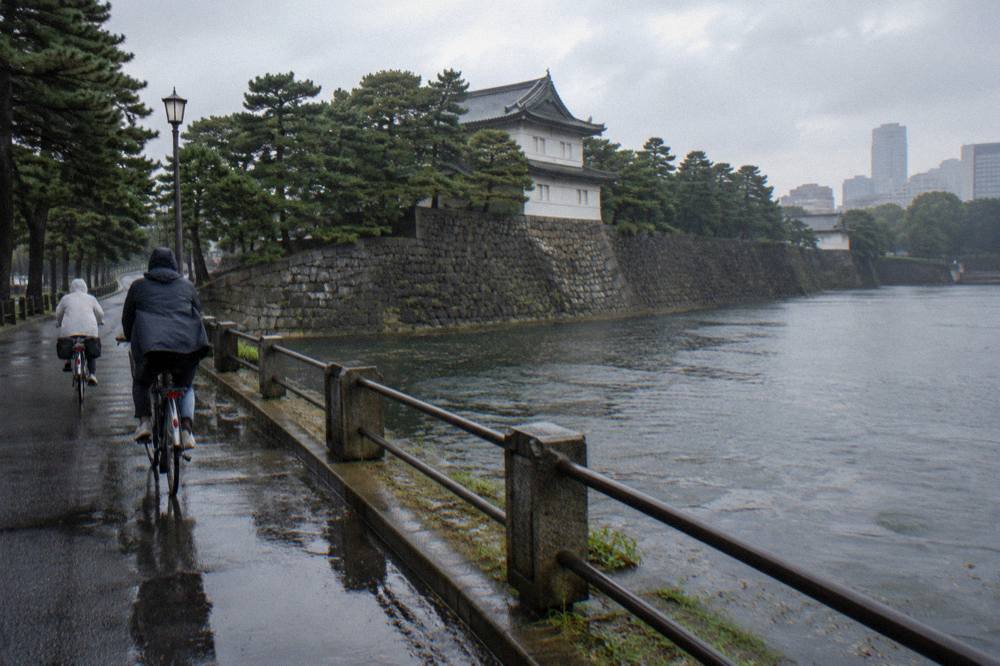
Summer rides are possible but punishing, with August averaging a mean of 26.9 C and daily maxima of 31.3 C, and September and October are the two wettest months of the year, which matters more on an open loop with limited shelter than it would on a tree covered river path.
The seasonal rhythm around the moats is a real draw in its own right. The cherry trees along the outer moats draw crowds in late March and early April, and the Japan Meteorological Agency's data puts Tokyo's 2026 first bloom on 19 March, five days ahead of the 24 March normal, with full bloom on 28 March. If blossom is the goal, the Tokyo cherry blossom bike tour guide covers where the palace moats rank among the city's hanami cycling spots. Autumn inverts the palette: ginkgo and maple colour in central Tokyo as the season deepens, and the palace avenues are among the better central places to ride through it.
Palace Area Bike Tour Prices Per Person
Per person from prices; bikes included on every tour
Within any given day, the loop rewards an early start. The perimeter road is busiest with commuters between 8 and 9 in the morning and with tourists from late morning. In the early hours, the loop belongs to fitness riders and a handful of photographers, and the light comes low across the moats from the east, long before the day's crowds arrive. The reported Sunday car free arrangement, where a section of moat road closes to cars for the middle of the day, makes Sunday mornings the single best slot for families and nervous riders, but it is weather dependent and event dependent, so treat it as a bonus rather than a plan.
- City Bike Tours$32.39
- Private Tours$45.35
- Night Rides$55.06
- E-Bike Tours$61
- Day Trips By Bike$76
What Are The Cycling Rules Around The Imperial Palace?
Bicycles are light vehicles in Japan and the roadway is the default, ridden on the left, with sidewalk riding only where signs permit; from 1 April 2026 riders aged 16 and over can be fined under the blue ticket system, with hand held phone use carrying the highest fixed fine at 12,000 yen, and the rules apply to tourists as the Metropolitan Police's English guidance confirms.
Around the palace specifically, nothing is unusual: the perimeter is an ordinary public road, so stopping for signals, keeping left and not riding two abreast are the behaviours that matter. Group tours handle this naturally, since a guide sets the line and the pace.
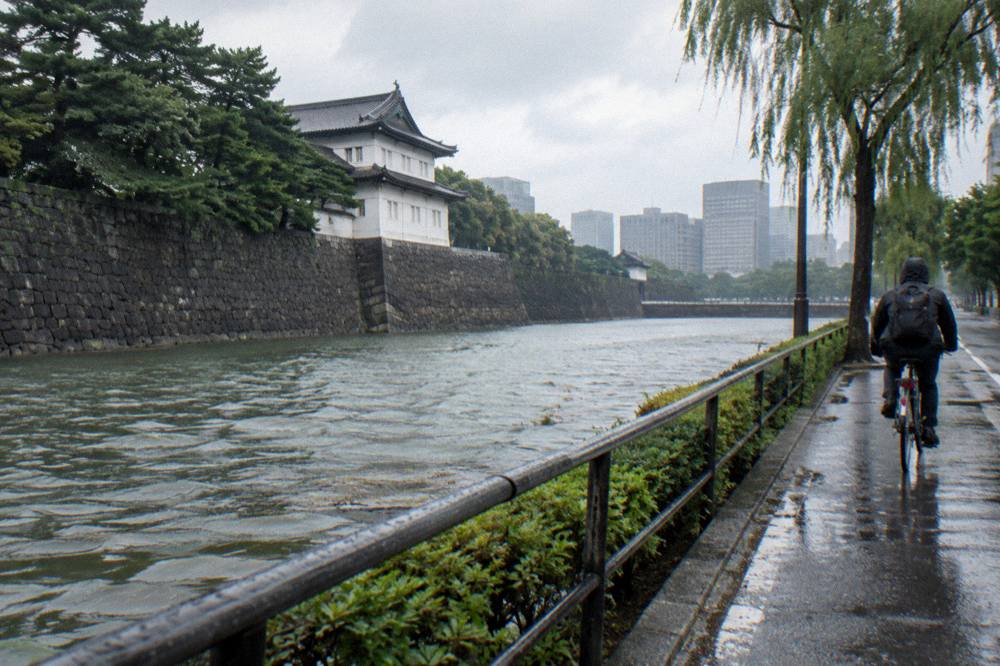
The penalty structure is worth a minute of attention before you ride anywhere in Tokyo, palace loop included. The fixed fines are national, and the Metropolitan Police publish the full framework on their bicycle rules page, with the revised violation notice system explained on the blue ticket notice page. Officers generally give guidance and a warning first, with tickets reserved for malicious or dangerous violations, but the fines themselves are fixed.
| Violation | Fixed fine |
|---|---|
| Hand held phone use while riding | 12,000 yen |
| Ignoring a traffic signal | 6,000 yen |
| Riding against traffic | 6,000 yen |
| Entering a closing rail crossing | 7,000 yen |
| No light at night | 5,000 yen |
| Riding two abreast | 3,000 yen |
| Carrying a passenger | 3,000 yen |
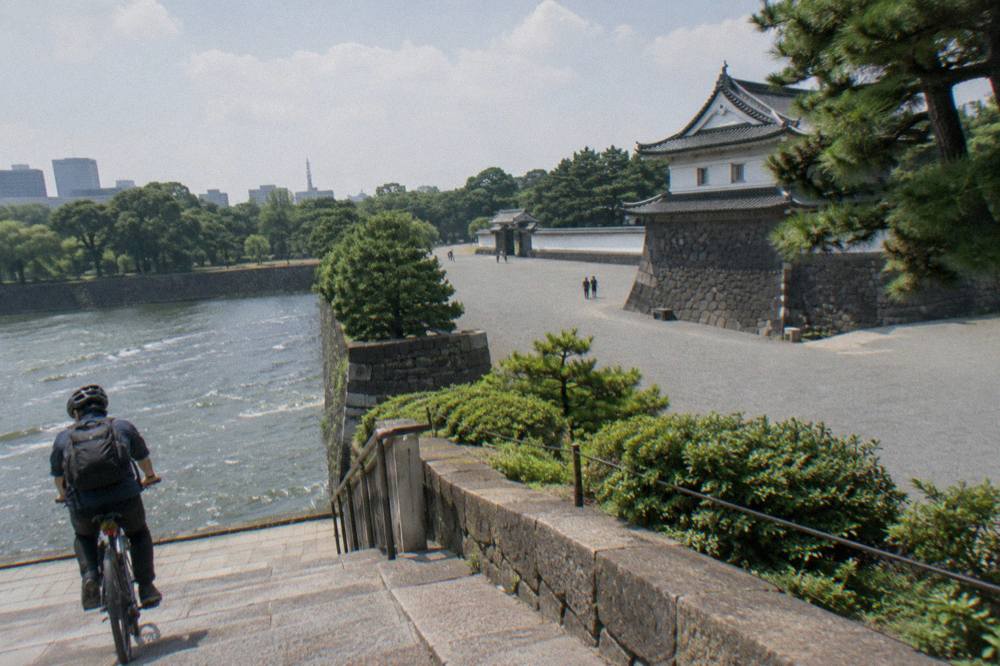
Two further rules shape a palace ride. Helmets are an effort obligation for every age since April 2023, encouraged but not fined, which is why tours include or offer helmets rather than require them, and the highlights tour's 1000 yen cash rental is a direct expression of that policy. Liability insurance is mandatory for cyclists in Tokyo under a metropolitan ordinance in force since 1 April 2020, and rental businesses are required to insure their hirers and explain what is covered, so a guided tour takes care of the requirement for you. The official visitor guidance from GO TOKYO restates both points for tourists. Riders who want the full framework in one place will find it in the Japan cycling rules guide.
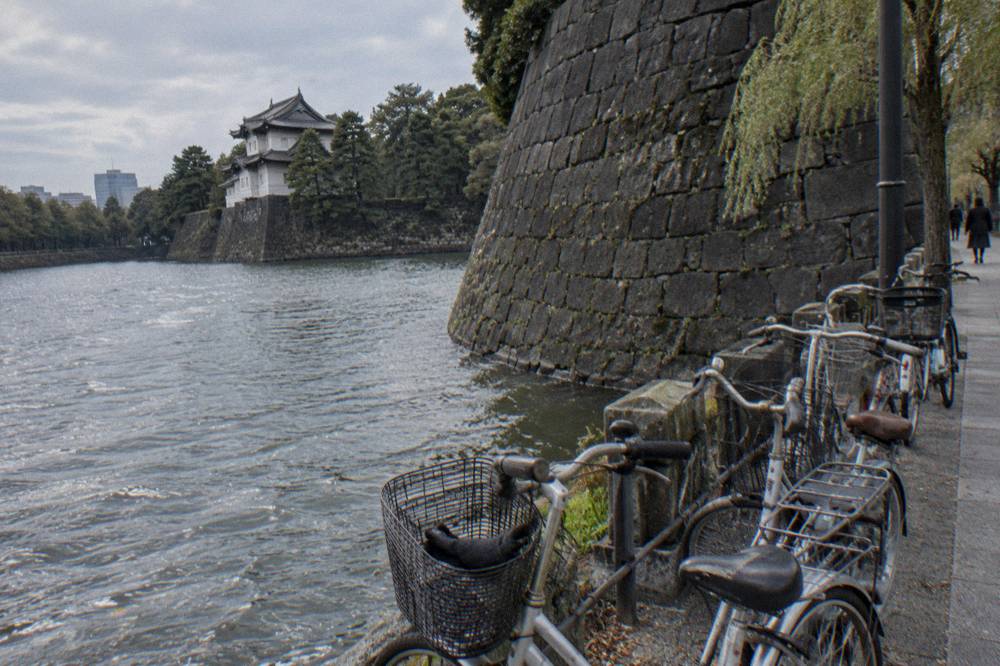
Parking deserves one paragraph, because the palace area is one of the most strictly enforced in the city. Bikes left on pavements near stations and tourist gates get removed, and in Minato City the impound fee to recover a bicycle is 2,000 yen. Tour riders never face this, since the bike stays with the group, but anyone self guiding the loop on a share bike should finish at a proper station, not a handy railing.
How Does The Palace Loop Compare With Other Tokyo Bike Rides?
The palace loop is the shortest and most central of Tokyo's headline rides: roughly 5 km of flat perimeter road against multi hour river and bay routes, and it trades distance and car free paths for density, history and convenience, sitting within minutes of Tokyo Station.
If the choice is between the palace and the Arakawa or Sumida river paths, the honest distinction is atmosphere: rivers give you long, uninterrupted, traffic light stretches and skyline views, while the palace gives you walls, gates, gardens and a constant change of scene. Riders with a full day do not have to choose, since the loop links toward the rivers in under an hour of easy riding.
Against the site's wider selection, the palace area tours hold up well on price and pacing. The 3-Hour Highlights tour is among the most reviewed rides of any type in the city at 980 reviews, which reflects how many visitors default to exactly this shape of day: one central tour, several districts, a choice of bike type. The Akihabara and Palace E-Bike Loop, with its maximum of four riders, competes with private tours on intimacy at a shared tour price of $97.17 per person. And the Hidden Gems Ride covers the same central geography from a backstreet angle for $63, with free cancellation like every tour on this page, a relief if your plans may shift.
Night riding deserves its own comparison, because the palace after dark is quiet where Shibuya is loud. The 2-Hour Night Lights Ride leans into the loud version, pairing Shibuya's crossing and Tokyo Tower illumination, rated 5.0 across 31 reviews and from $55.06 per person with the total depending on group size.
A palace focused rider can approximate the quiet version independently, since the perimeter road is public at night and the moat lighting is subtle, but a lamp is legally required after dark, and the fixed fine for riding without one is 5,000 yen. For riders building a whole itinerary around two wheels rather than one loop, the best way to see Tokyo guide compares cycling against the train network and walking tours, and the one day Tokyo itinerary by bike shows where the palace fits in a full route.
What Should You Bring On A Palace Loop Bike Tour?
Bring photo ID, cash for incidentals, water, and weather appropriate layers: the essentials are minimal because every palace area tour includes the bike and a guide, but the highlights tour charges 1000 yen in cash for helmet rental, and food and drink are excluded on most listings.
The loop itself has convenience stores and vending machines on every side, so carrying supplies is less important than on river or mountain routes, but a two to three hour tour in summer heat still calls for a bottle per person.
The e-bike question changes the packing list only slightly. Riders choosing the e-bike on the highlights tour, or taking the Akihabara and Palace loop, arrive with less fatigue and no need for cycling clothes, which is why central Tokyo tours see everything from jeans to office wear. Riders on regular bikes doing the full three to six hour options benefit from proper shoes and a light layer. Seasonal dressing matters more than gear: January lows average 1.2 C on the JMA normals, so winter mornings around the moats are genuinely cold on a moving bike, while August nights have a mean low of 23.5 C, making summer evening rides the more comfortable option. The what to wear cycling in Tokyo guide covers this season by season. For the rest of your trip, the guide to trains, taxis and bike share in Tokyo shows how a bike fits alongside the other ways of getting around the city.
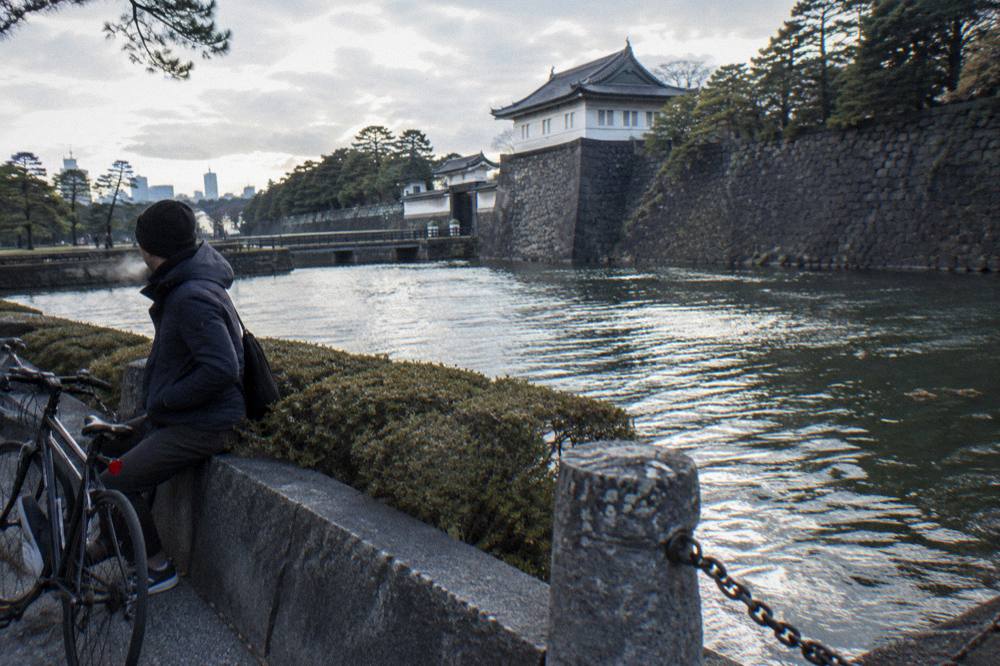
A few practicalities round out the list. Tours meet at fixed points, the highlights tour at the Statue of Commodore Perry, and arriving ten minutes early is the norm since group briefings start on time. Free cancellation applies on every listing here, the Hidden Gems Ride included, so reserving early is low risk; if plans shift, cancel up to 24 hours before start for a full refund. Gratuities are listed as not included on several tours, and while tipping is not customary in Japan, the listings state it plainly so riders are not surprised. None of the palace area tours include food, so plan lunch around the East Gardens exit, where the Marunouchi side has the densest concentration of options within a short ride.
Before the closing questions, the three rides most worth a second look for a palace centred day:
Common Questions About The Imperial Palace Loop
Can You Cycle Around The Imperial Palace In Tokyo?
Yes. The roughly 5 km perimeter road around the outer moats is a public road rideable on any day, and it is one of the most popular short circuits in the city. A reported Sunday arrangement closes part of the moat road to cars for cycling, reported to include free loaner bikes, but it is weather and event dependent, so treat it as a bonus.
How Long Is The Imperial Palace Bike Loop?
The loop is roughly 5 km and takes 20 to 40 minutes of riding at a casual pace. With stops at the main gate bridges, the East Gardens and the outer gardens avenues, most visitors spend two to three hours on the circuit and its surroundings.
Do Any Guided Bike Tours Include The Imperial Palace?
Yes. The 3-Hour Highlights tour from $61.54 per person passes the palace area within a broader city route, the Akihabara and Palace E-Bike Loop from $97.17 focuses on the palace with a maximum of four riders, and the Private 2-Hour E-Bike Ride from $45.35 offers a palace route explicitly.
What Is The Best Time Of Day To Ride The Palace Loop?
Early morning, before 8, offers the lightest traffic and the best light across the moats, with the loop shared mainly with fitness riders. The reported Sunday car free opening makes Sunday midday the most comfortable slot for families, weather permitting.
Do You Need A Helmet To Cycle Around The Imperial Palace?
Helmets are an effort obligation for all ages in Japan, encouraged but not fined. Several tours include one; the 3-Hour Highlights tour rents helmets for 1000 yen in cash, so bring notes if you want one on that ride.
Is The Palace Loop Suitable For Beginner Cyclists?
Yes. The circuit is flat, short and surfaced throughout, with no climbs beyond bridge approaches. It is a public road with traffic on ordinary days, so beginners comfortable riding near cars will manage easily, and guided options add a guide who sets a safe line and pace.