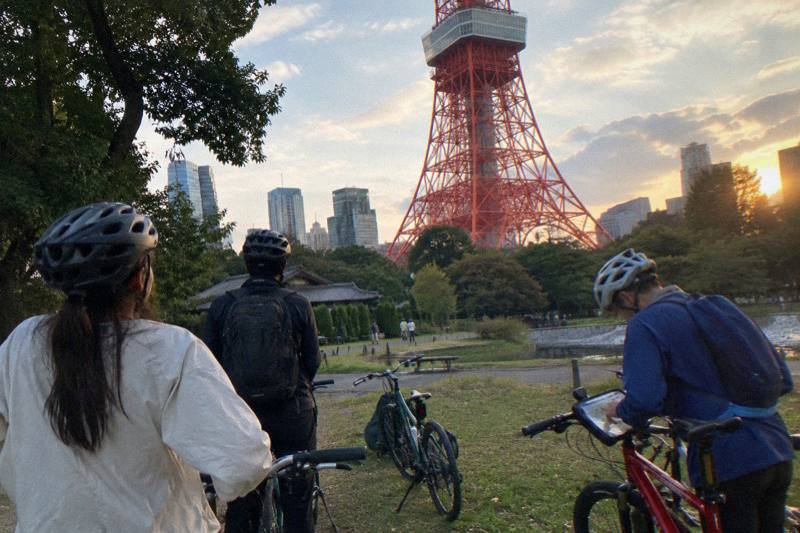
What To Wear Cycling In Tokyo By Season
Tokyo's climate swings from humid summer nights above 23 degrees to crisp winter days near 10, and what you wear on a bike ride has to match the month you land in.
Short answer
Dress in light, breathable layers from April to October, when Tokyo's mean temperatures run 14.3 to 26.9 degrees C, and add a warm jacket and gloves for winter rides near 5.4 degrees. September and October are the wettest months, 224.9 and 234.8 mm of rain, so pack a compact rain shell. Helmets are an effort obligation for all ages and are included on most guided rides.
Tokyo is a city of four genuinely distinct seasons, and the difference between a comfortable ride and a miserable one usually comes down to clothing choices made before you leave the hotel. The Japan Meteorological Agency's 1991 to 2020 normals for the Tokyo station put the mean monthly temperature anywhere from 5.4 degrees C in January to 26.9 in August, with rainfall peaking in October at 234.8 mm. That is a huge range for one city, and it means the answer to what to wear cycling in Tokyo changes almost completely depending on the month.
The good news for visitors joining a guided ride is that the clothing problem is smaller than it looks. Tours such as the Small-Group Long City Ride run by Bicycle Tours Tokyo supply the bike and the helmet, cap the group at five riders and start from Tokyo Opera City Sankun Garden, so the only equipment decision left to you is what goes on your body. That tour is rated 5.0 across 1,308 reviews and costs from $106.89 per person, with free cancellation per the listing. Your job is simply to dress for the weather, the distance and the season.
This guide works through the year month by month using the verified JMA climate table, then covers rain gear for the wet autumn, helmets and the rules around them, footwear, and what changes on a night ride. Throughout, the aim is practical and hedged advice, because weather varies and no operator can promise conditions. Use the seasonal tables as packing ranges, not forecasts.
- City Bike Tours$32.39
- Private Tours$45.35
- Night Rides$55.06
- E-Bike Tours$61
- Day Trips By Bike$76
What Should You Wear Cycling In Tokyo Overall?
The base rule for cycling in Tokyo is the same as for walking it, minus anything loose, dark and heavy in summer and plus wind protection in winter, because JMA 1991 to 2020 normals show daily highs from 9.8 degrees C in January to 31.3 in August and rainfall in every single month of the year. Layering beats a single heavy garment, and every rider should carry or expect rain protection at some point.
Tokyo is not a lycra city. Locals ride mamachari shopping bikes in ordinary clothes, and guided tours expect the same of their guests. Unless you have booked a sporty road-bike experience, comfortable casual clothing is entirely appropriate on any of the city tours covered here. What matters more than style is fabric and fit: materials that breathe, nothing that flaps into the chain, and nothing so warm that you overheat within the first kilometre.
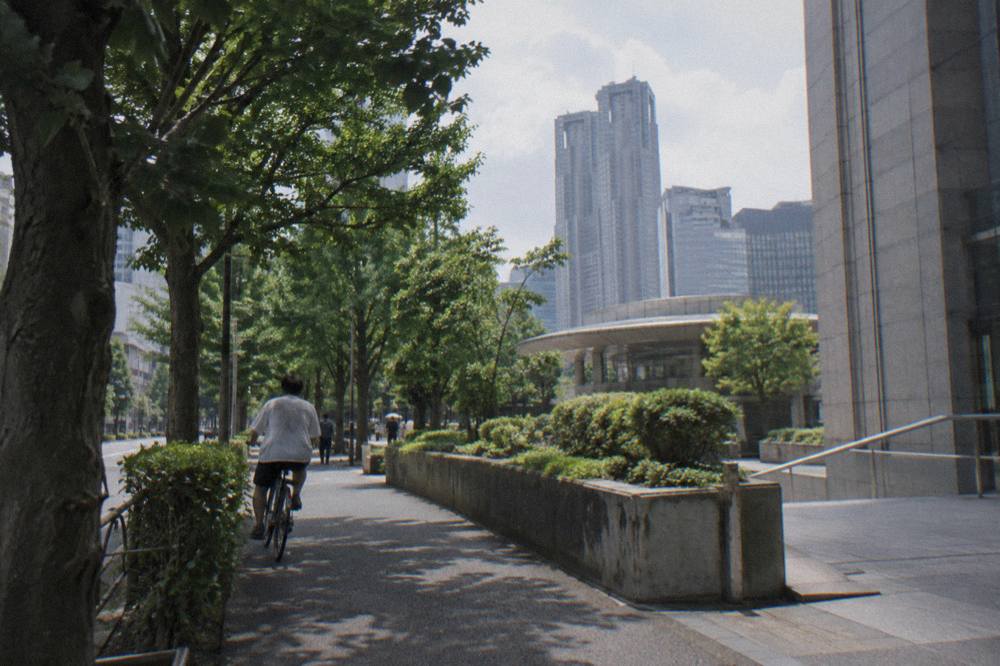
Distance matters as much as season. The Flexible 3-6 Hour Small-Group Ride lets riders choose their duration, from three to six hours, and a six-hour outing in any month demands more attention to chafing seams, sunscreen and hydration than a short spin. At the other end, the 2.5-Hour Central Short Ride from $51.82 per person, rated 5.0 across 25 reviews, is short enough that everyday clothes work for almost anyone.
A useful frame is to think in three layers: a base that manages sweat, an optional mid layer for warmth, and an outer shell for wind or rain. Summer usually needs only the base. Winter may need all three. The sections below apply that frame to each season using the actual climate numbers.
| Season | Months | Mean temp range (C) | Daily max range (C) | Clothing priority |
|---|---|---|---|---|
| Spring | Mar to May | 9.4 to 18.8 | 14.2 to 23.6 | Layers, light jacket |
| Summer | Jun to Aug | 21.9 to 26.9 | 26.1 to 31.3 | Breathable, sun cover |
| Autumn | Sep to Nov | 12.5 to 23.3 | 16.7 to 27.5 | Layers, rain shell |
| Winter | Dec to Feb | 5.4 to 7.7 | 9.8 to 12.0 | Warm layers, gloves |
For a broader look at when to schedule the ride itself, the companion page on the best time to cycle in Tokyo covers season trade-offs beyond clothing.
What To Wear Cycling In Tokyo In Spring?
For spring cycling in Tokyo, plan light layers around a breathable top plus a packable jacket, because March averages 9.4 degrees C with daily highs of 14.2, rising to 18.8 mean and 23.6 highs by May, while rainfall climbs from 116.0 mm in March to 139.7 mm in May. Mornings stay cool, afternoons warm quickly, and a shower is possible in any spring month.
March in Tokyo is genuinely chilly on a bike. The moving air makes 14.2 degree afternoons feel cooler than they sound, and the 5.0 degree average overnight low means early starts begin cold. A long-sleeved base layer under a light jacket handles March well, with the jacket shed into a backpack by mid-morning. By April, with means of 14.3 and daily maxima of 19.4, most riders are comfortable in a single warm layer plus a spare.
May is the reward month. With a mean of 18.8, daily highs of 23.6 and rainfall of 139.7 mm, it is close to ideal riding weather, and a short-sleeved top with an optional windbreaker covers most days. Late May can feel warm enough that sun protection, covered shoulders and sunscreen, starts to matter.
Spring is also cherry blossom season, and the clothing note is a practical one: blossom crowds mean slow riding and frequent stops, so choose clothes you can comfortably stand around in, not just pedal in. The JMA's first-bloom data puts Tokyo's normal first bloom around 24 March and full bloom around 31 March, and the 2026 season ran early, with first bloom on 19 March and full bloom on 28 March. Riders chasing blossom views in late March should therefore pack for the cooler end of the spring range.
One more spring consideration: the seasonal overlap with Tokyo's windy periods. A close-fitting windbreaker outperforms a loose jacket, which acts like a sail at speed. If your spring itinerary includes the riverside routes described in the Arakawa cycling road guide, expect more exposed wind than on sheltered backstreet tours.
What To Wear In Tokyo's Summer Heat?
Summer cycling in Tokyo calls for loose, light-coloured, breathable clothing, a hat or cap under the helmet, sunscreen and more water than feels reasonable, because JMA normals show June to August means of 21.9 to 26.9 degrees C, daily maxima reaching 31.3 in August, and overnight lows that never fall below 18.5. Sweat management, not warmth, is the whole problem.
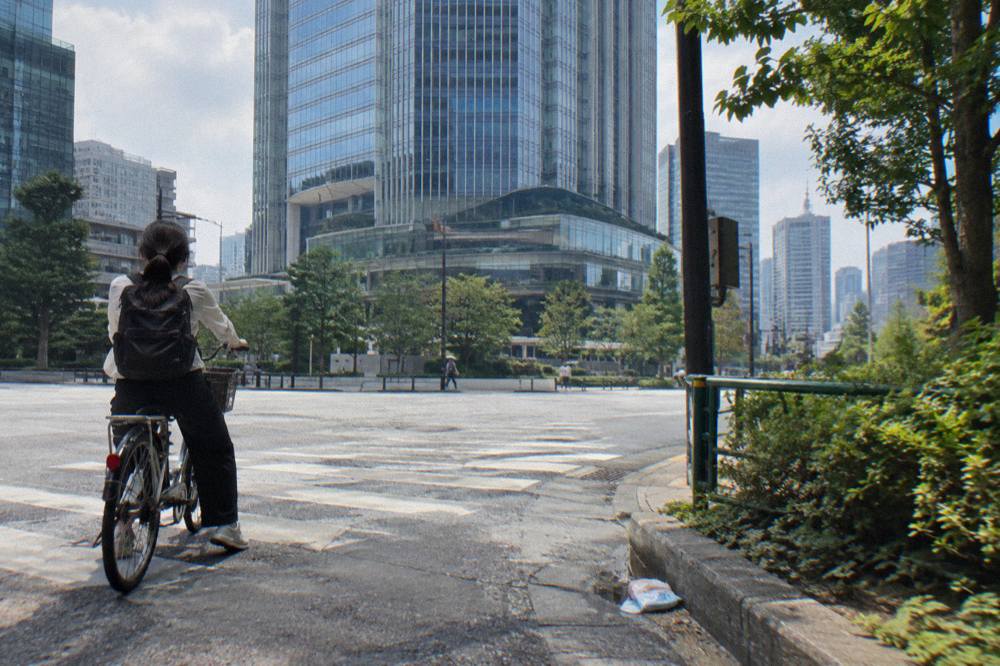
Tokyo summers are famously humid, and the climate table explains why riders struggle: August's mean daily minimum of 23.5 degrees means there is no cool part of the day. The practical wardrobe is a moisture-wicking t-shirt or similar breathable top, shorts or lightweight trousers, and sandals or breathable shoes. Dark colours absorb the strong summer sun, so lighter shades are genuinely more comfortable.
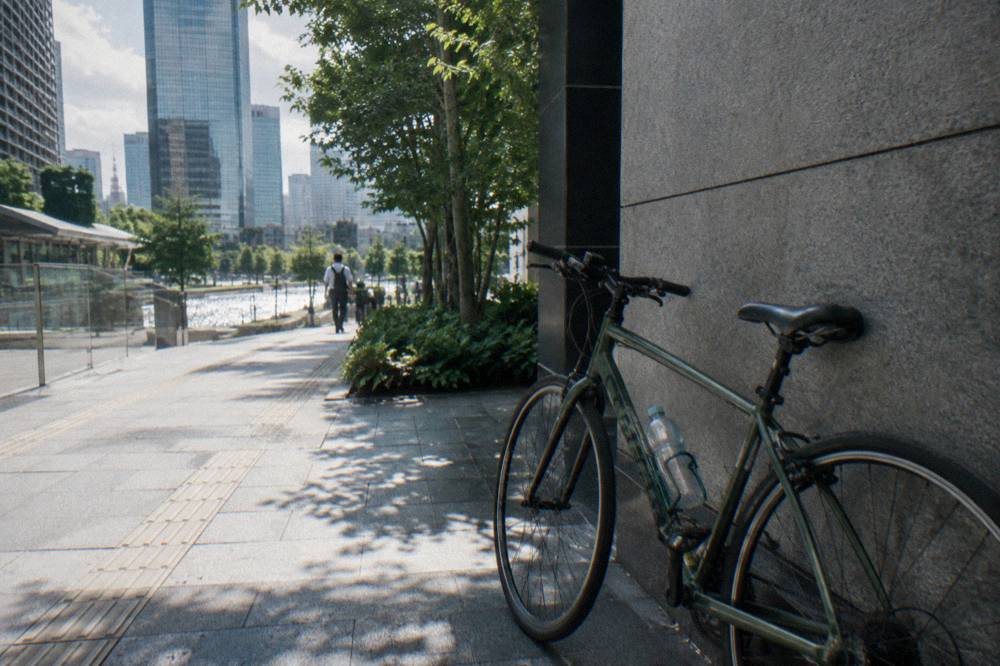
Sun cover matters more than most visitors expect. A cap under the helmet shields the scalp, a lightweight scarf or collar protects the neck, and sunscreen should be applied before the ride because a three-hour outing in open riverside sections gives plenty of exposure. Riders who burn easily should consider a light long-sleeved sun shirt rather than bare arms, a standard approach in Japanese summer conditions.
An electric-assist bike changes the summer equation meaningfully, because it removes most of the physical effort that generates body heat. The Local Life E-Bike, Starts Near Station tour from Cycling Holiday Tokyo, from $63.48 per person and rated 4.9 across 753 reviews, keeps its groups at six and lasts three hours, a duration where heat management is a real consideration in July and August.
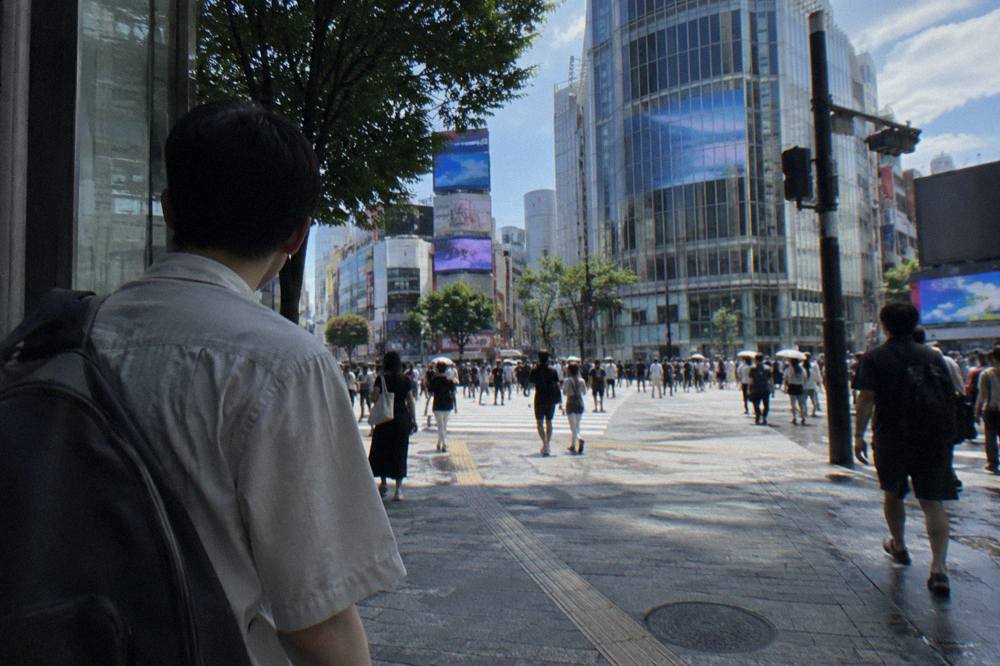
June adds a specific complication: the rainy season. JMA 1991 to 2020 normals put the Kanto onset around 7 June and withdrawal around 19 July, and the 2026 season matched almost exactly, with onset on 7 June and withdrawal on 20 July. June's 167.8 mm of rainfall means a packable rain shell is close to essential. Riders wanting a deeper treatment of wet-weather riding can read the dedicated page on cycling in rain in Tokyo.
Finally, hydration. Riders on longer summer outings should carry water and drink before feeling thirsty. Several tours list bottled water as not included, so check the inclusions on the booking page and bring your own on hot days.
| Month | Mean temp (C) | Daily max (C) | Rain (mm) | Summer clothing notes |
|---|---|---|---|---|
| Jun | 21.9 | 26.1 | 167.8 | Breathable top plus rain shell |
| Jul | 25.7 | 29.9 | 156.2 | Light colours, cap, sunscreen |
| Aug | 26.9 | 31.3 | 154.7 | Minimal loose layers, extra water |
What Should You Wear Cycling In Tokyo In Autumn?
Autumn is Tokyo's most forgiving cycling season but also its wettest, so wear adaptable layers over a breathable base and carry rain gear, because September still averages 23.3 degrees C with 224.9 mm of rain, October cools to 18.0 with 234.8 mm, and November drops to 12.5 with only 96.3 mm, making late autumn the driest and most stable window of the year.
September rides feel like summer at first, with daily highs still averaging 27.5, and the clothing advice from the summer section carries over for the first weeks of the month. The difference is rain: 224.9 mm makes September the second-wettest month in the normals, and this is a wet period, so a rain shell and a check of the forecast before booking are both wise.
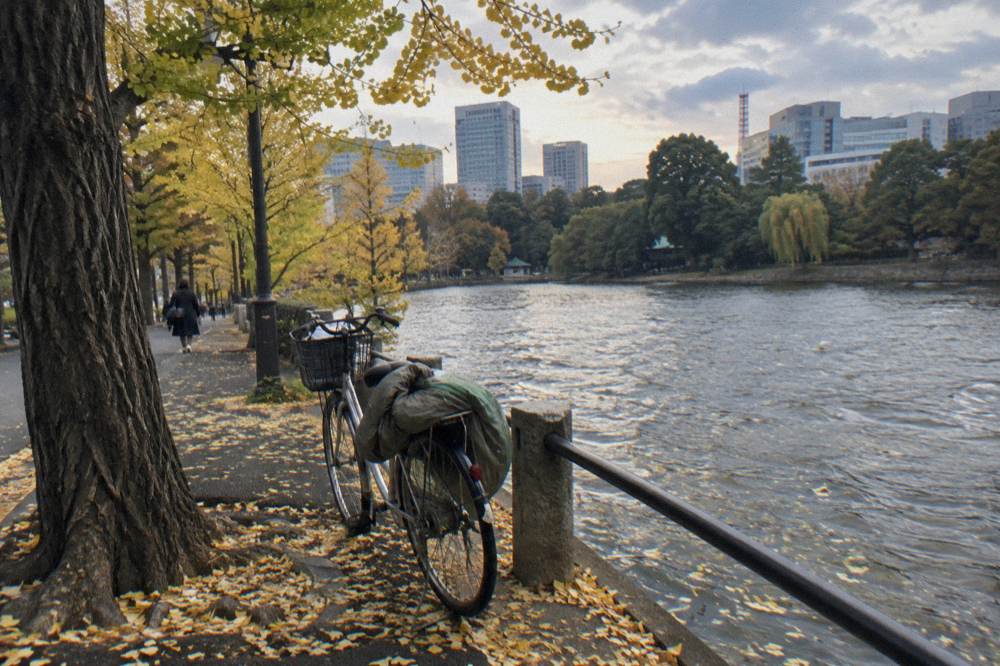
October is the pivot month. The mean falls to 18.0 and daily maxima to 22.0, pleasant riding temperatures that still allow short sleeves at midday while demanding a jacket in the morning. October is also, statistically, the wettest month in Tokyo at 234.8 mm, so autumn visitors should treat rain gear as standard equipment rather than an optional extra. The same layered approach as spring works well here.
November is arguably the best cycling month of the entire year in Tokyo. The mean of 12.5, daily highs of 16.7 and rainfall of just 96.3 mm combine cool, comfortable riding conditions with the lowest rain risk since winter. A warm base layer plus a light jacket covers most November rides, with gloves for early starts.
For riders using the long six-hour formats, autumn's temperature swing across a full day is worth planning for. The 6-Hour Full City Ride, from $97.17 per person and rated 4.9 across 842 reviews, spends a full day out, so a sheddable layer that fits in a bag matters more than on a three-hour loop.
Autumn foliage adds a scheduling angle similar to spring blossom: private forecasters placed Tokyo's 2026 maple peak around 28 November and ginkgo around 26 November, near the long-term averages. Late November riders get both the driest weather window and the best colour, though forecasts can shift and exact timing varies year to year.
What To Wear For Winter Cycling In Tokyo?
Winter cycling in Tokyo needs a warm layered outfit, windproof outer layer, gloves and a hat under the helmet, because January averages just 5.4 degrees C with daily maxima of 9.8 and overnight lows of 1.2, February sits at 6.1 and December at 7.7, while the trade-off is the year's driest weather, with 56.5 to 59.7 mm of rain per month.
Tokyo winters are cold, dry and sunny, which is a genuinely good combination for cycling. The wind chill on a moving bike makes a 10-degree afternoon feel several degrees colder, so the instinct to underdress is the main risk. Three layers work well: a thermal base, a warm mid layer such as a fleece, and a windproof outer. Tights or thermal trousers replace shorts. Other pages covering the same trip are gathered on Tokyo Bike Tours.
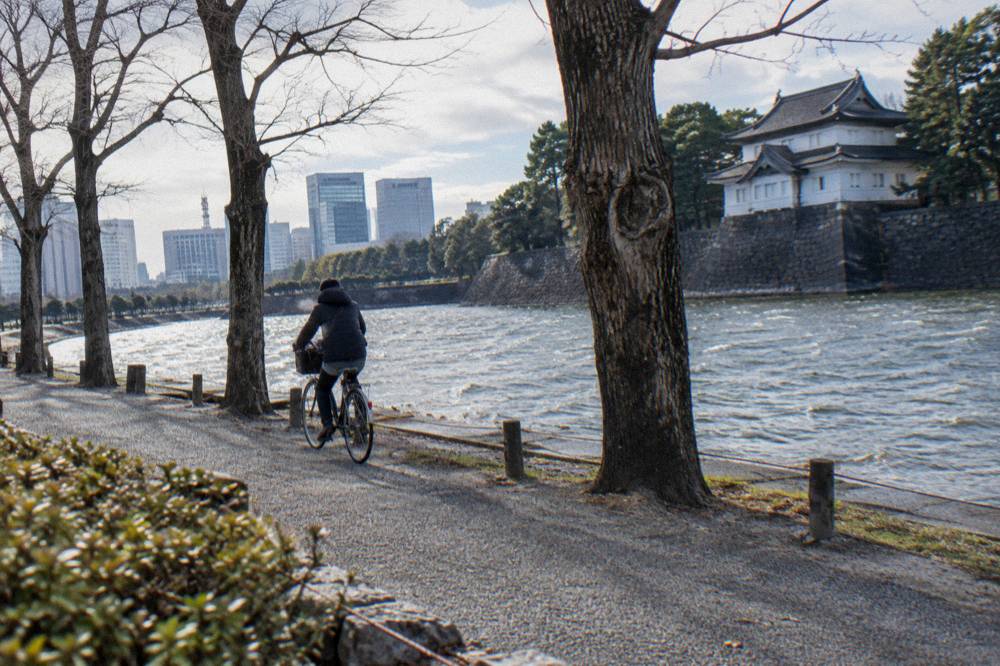
Hands and ears are the body parts winter riders complain about most. Full gloves, not fingerless ones, and a thin beanie or headband under the helmet make a large comfort difference. A scarf or neck warmer blocks the draft that otherwise runs down the collar at speed. Regular shoes with warm socks are fine; dedicated winter cycling boots are unnecessary for a guided city tour.
Snow is possible but usually light and infrequent in central Tokyo, so specialized gear is not needed. The practical winter advice is simply to book the middle of the day, when daily maxima near 10 degrees apply, rather than an early start in the 1 to 4 degree morning cold. Riders who run cold should add a layer more than the table suggests, because personal tolerance varies.
| Month | Mean temp (C) | Daily max / min (C) | Rain (mm) | Winter clothing notes |
|---|---|---|---|---|
| Dec | 7.7 | 12.0 / 3.8 | 57.9 | Warm layers, light gloves |
| Jan | 5.4 | 9.8 / 1.2 | 59.7 | Full winter kit, hat, gloves |
| Feb | 6.1 | 10.9 / 2.1 | 56.5 | Layered, windproof outer |
Winter also brings Tokyo's clearest air, and clear winter days are when Mount Fuji is most often visible from observation points, a nice bonus on bay-side and riverside routes. The dry, sunny character of the season makes it a much better cycling month than visitors assume from the temperature alone.
What Rain Gear Do You Need For Tokyo's Wettest Months?
A compact rain jacket or poncho is the minimum for September and October rides, when Tokyo records its highest monthly rainfall, 224.9 mm and 234.8 mm respectively, and June's 167.8 mm rainy-season figure makes a shell useful then too, while quick-dry fabrics matter more than waterproof trousers on a guided tour where the pace is moderate and stops are frequent.
The rain answer follows directly from the climate table: every month in Tokyo has meaningful rainfall, but the distribution is strongly seasonal. October and September top the normals, June follows, and the winter months of December, January and February are the driest at 57.9, 59.7 and 56.5 mm. A packable rain shell therefore earns its place in your bag from March through October.
What to carry depends on the tour format. On a three-hour guided ride, a light foldable rain jacket is usually enough, since guides adjust routes and pauses when weather turns. Waterproof trousers are rarely worth their bulk for city riding. Footwear is the weak point in rain: quick-drying shoes or sandals beat canvas trainers, which stay wet for hours. A dry bag or plastic sleeve for your phone is a small, high-value addition.
Ponchos are popular with local riders because they cover the body and part of the handlebars while ventilating better than a rain jacket, though they can catch wind. Whichever you choose, bright or light colours help visibility on grey, wet afternoons. One warning that belongs here rather than anywhere else: riding while holding an umbrella is against the rules and carries a 5,000 yen fine under the blue-ticket system introduced on 1 April 2026, so hands-on-the-handlebars rain gear is not just comfort advice but a legal point, covered on the Tokyo Metropolitan Police bicycle rules page.
Booking flexibility is the quiet complement to rain gear. Most tours on this site, including the Small-Group Long City Ride and the food-focused West-Side Cycling With Food Stops from DIG Tokyo Tours, list free cancellation, so checking the forecast a day or two ahead and adjusting is a realistic option rather than a gamble.
Do You Need A Helmet On A Tokyo Bike Tour?
Helmets are not legally mandatory in Japan, but since April 2023 every cyclist of every age is under an effort obligation to wear one, with no fine for non-compliance, and most guided tours in Tokyo include a helmet in the price, so the practical answer is that on a tour you will be offered one and should take it.
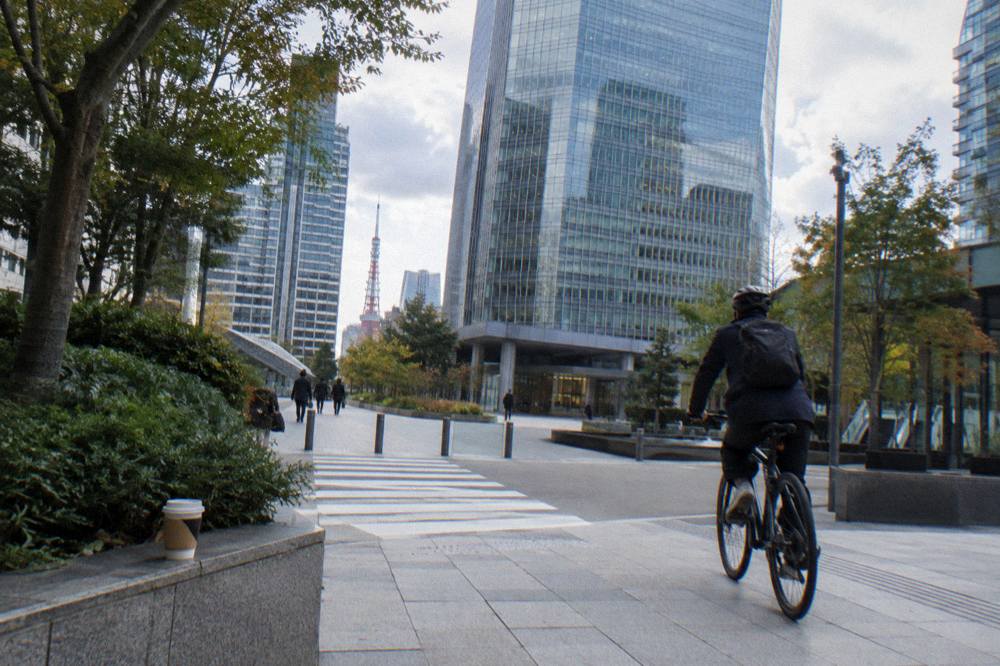
The legal nuance matters. Tokyo police data cited on the police helmet guidance page notes that 63.5 percent of cycling deaths in Tokyo between 2021 and 2025 involved fatal head injuries, and that the fatality rate without a helmet is 2.3 times higher. That is the strongest clothing-adjacent argument on this page, and it is the reason helmet inclusion is worth checking before booking.
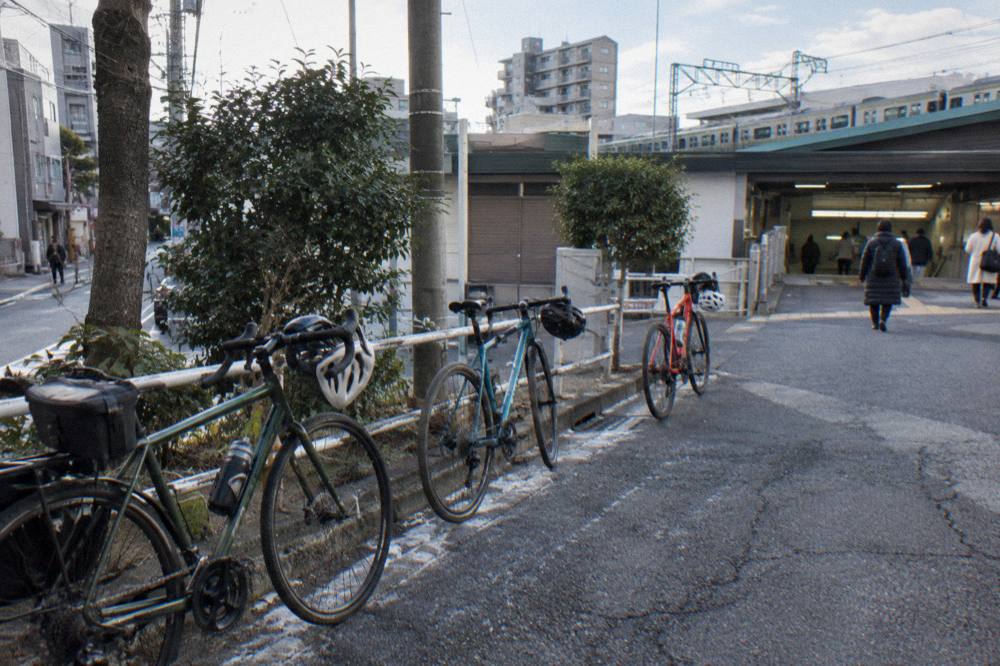
In practical wardrobe terms, a helmet interacts with your outfit in two ways. First, hair: a cap or headband under a helmet helps in both sun and cold, and any cap must be thin enough to keep the helmet's fit secure. Second, budget tours differ on inclusions: for example, the 3-Hour Highlights, Bike or E-Bike tour from TRB BIKE TOUR, from $61.54 per person and rated 4.9 across 980 reviews, lists helmet rental as an extra at 1,000 yen in cash on the day, while most small-group rides include one. Check the inclusions line on the booking page for whichever ride you choose.
For families, note that the effort obligation extends to parents making sure children wear helmets, and the dedicated page on a Tokyo bike tour with kids covers child seats and family formats in detail.
What Shoes And Accessories Work Best?
Plain comfortable shoes with grip, such as trainers, are the best footwear for cycling in Tokyo, because tours use regular city bikes with flat pedals, no tour on this site requires cycling-specific shoes, and the practical accessory list is short: sunscreen, a small bag for shed layers, a phone sleeve for rain and cash for small extras.
Footwear is simpler than many visitors fear. Clipless pedals and cycling shoes belong to road cycling, not city touring. What matters is a sole that grips a flat pedal when wet, and that stays comfortable during walking stops, since guided tours mix riding with photo pauses, temple visits and, on food tours, restaurant stops. Avoid brand-new shoes on a six-hour day; broken-in trainers are ideal.
The West-Side Cycling With Food Stops tour illustrates the mixed day well: it runs 3 hours 30 minutes from Koenji Station, caps groups at eight and is rated 5.0 across 223 reviews, from $106.89 per person with the total depending on group size. A food tour means dismounting, sitting and eating, so stretchy, presentable clothes beat sport-specific kit.
Accessories worth packing, in rough order of usefulness: sunscreen from April onward, sunglasses, a compact rain shell in the wet months, gloves in winter, a small backpack or bag for layers, a phone dry-sleeve, and cash for the small extras some tours list as not included, such as the helmet rental fee noted above. Water bottles are listed as not included on several tours, so carry your own, especially from June to September.
Bags deserve one specific note: avoid long-strapped shoulder bags that can swing into the wheel or spokes. A backpack, or a bag secured in the bike's front basket where the tour provides one, is safer. The official GO TOKYO visitor guide to bicycles is a good general reference for riding basics as a tourist in the city.
What Should You Wear On A Night Ride In Tokyo?
For a night ride in Tokyo, wear what the season's daytime calls for plus one extra layer and something reflective or light-coloured, because after sunset temperatures drop toward the daily minimum, which ranges from 1.2 degrees C in January to 23.5 in August, and bike lights are legally required at night, with the tour supplying them on guided rides.
The temperature logic is straightforward from the normals: the gap between daily maximum and minimum is large in spring and autumn, often 9 or 10 degrees, so a September evening that begins at 25 degrees can end near 20. A packable extra layer is the single most useful item on a night booking. In summer, night rides are the smart heat-avoidance strategy, since August evenings sit in the mid-20s instead of the low-30s afternoon peak.
Visibility is the second consideration. The 2-Hour Night Lights Ride from COG EXPLORER JAPAN, from $55.06 per person and rated 5.0 across 31 reviews, runs through Shibuya's illuminated streets, and while guided groups manage lighting, light-coloured or reflective clothing adds a real margin on busy roads. Riding at night without lights is a fineable offence at 5,000 yen under the rules above, another reason a guided night tour is the easier format for visitors.
Night tours also tend to be shorter, two to three hours, which keeps the clothing problem small: one comfortable outfit plus a layer. Dinner is typically not included, so plan food separately rather than dressing around a meal stop.
How Do Tour Formats Change Your Clothing Choices?
Long six-hour rides demand performance-minded clothing with padding, chafe-free seams and full sun or cold protection, while short two to three-hour loops work in ordinary street clothes, and e-bike rides reduce sweat output enough that summer riders can dress slightly warmer and winter riders slightly lighter than on a regular bike.
The clearest split on this site is duration. A six-hour day, such as the Full-Day Traditional Ride from BREZZA, about 20 km and from $97 per person, rated 4.8 across 139 reviews, is a commitment where seam comfort, sunscreen and layers all matter. A three-hour highlights loop is a different activity entirely, and the Flexible 3-6 Hour Small-Group Ride from Tokyo Bike Tour, from $64.78 per person and rated 4.9 across 212 reviews, lets you decide the format on the day, though packing for the longer option is the safer default.
| Tour format | Typical duration | Clothing emphasis |
|---|---|---|
| Short city loop | 2 to 3 hours | Everyday clothes, seasonal jacket |
| Half-day ride | 3 to 4 hours | Comfortable casual, water, sun cover in summer |
| Full-day ride | 6 hours plus | Performance fabrics, layers, padding, full sun or cold kit |
| Food-focused ride | 3 hours plus | Presentable, stretchy clothes for stops |
| E-bike ride | 3 hours | Standard clothing, less sweat management |
| Night ride | 2 hours | Seasonal layer plus reflective item |
E-bike riding genuinely changes the wardrobe calculation. Because the motor carries much of the load, riders arrive less sweaty in summer, so a regular shirt can replace technical fabric. In winter the rider generates less body heat, so plan one extra layer. The e-bike pages, starting with the Tokyo e-bike tour guide, cover the format trade-offs in full.
However you dress, this site exists to help riders book the right guided experience in the first place, and packing well only pays off once the seat is reserved.
Common Questions About Cycling Clothing In Tokyo
What Should You Wear Cycling In Tokyo Overall?
Comfortable casual clothing works on every guided city tour: breathable fabrics, nothing loose near the chain, and layers you can shed. Tokyo's mean monthly temperatures span 5.4 to 26.9 degrees C across the year, so the month of your visit decides the exact kit, and rain protection is worth carrying in every month from March to October.
Do You Need A Helmet On A Tokyo Bike Tour?
Helmets are an effort obligation for all ages since April 2023, with no fine, and most guided tours include one in the price. A few budget tours list helmet rental as a paid extra, around 1,000 yen in cash on one operator's tour, so check the inclusions on the booking page. Police data shows head injuries in 63.5 percent of Tokyo cycling deaths from 2021 to 2025, so wearing the offered helmet is strongly advised.
What Rain Gear Do You Need For Tokyo's Wettest Months?
A compact rain jacket or poncho covers September and October, Tokyo's wettest months at 224.9 and 234.8 mm of rain in the JMA 1991 to 2020 normals, plus June's 167.8 mm rainy-season total. Quick-dry shoes matter more than waterproof trousers, and riding while holding an umbrella is against the rules and carries a 5,000 yen fine.
What Should You Wear In Tokyo's Summer Heat?
Loose, light-coloured, breathable clothing, a cap under the helmet, sunscreen and plenty of water. June to August means run 21.9 to 26.9 degrees C with daily maxima reaching 31.3 in August, and August nights never drop below 23.5, so sweat management is the entire challenge.
What Should You Wear For Winter Cycling In Tokyo?
A thermal base layer, warm mid layer and windproof outer, with full gloves and a thin hat under the helmet. January averages 5.4 degrees C with daily maxima of 9.8 and minima of 1.2. The compensation is the driest weather of the year, under 60 mm of rain per month from December to February.
What Should You Wear On A Night Ride In Tokyo?
Wear the season's daytime outfit plus one extra layer, since evenings fall toward the daily minimum, and add something light-coloured or reflective. Lights are legally required at night; guided tours supply them. Summer night rides are a good heat-avoidance strategy, with August evenings in the mid-20s instead of low-30s afternoons.