Bike Rental In Tokyo: Prices, Shops And When A Tour Is Better
Renting a bike in Tokyo is cheap and simple once you know the two systems that matter: port-based bike share for short hops, and guided tours that bundle the bike, a helmet and a route into one price.
Short answer
Bike share in Tokyo is dominated by Docomo Bike Share, at 165 yen per 30 minutes or a 1,650 yen day pass, and HELLO CYCLING, priced per prefecture in its app. Traditional shop daily rates vary widely. A guided tour from about $46 to $107 per person bundles the bike, helmet and guide.
Tokyo runs on bicycles. Commuters, delivery riders, schoolchildren and shopkeepers all use them, and the city has built the infrastructure to match: riverside paths, signed sidewalk exceptions and a growing network of share-bike ports near stations. For a visitor, that means renting a bike is one of the fastest ways to see the city at street level, faster than walking and more flexible than the metro for short hops between neighbourhoods.
The catch is that "bike rental in Tokyo" is really three different products. There is port-based bike share, where you unlock a bike with an app and return it to a designated station. There are traditional rental shops, which hand you a bike for the day and set their own prices. And there are guided tours, which bundle the bike, a helmet, a route and a local guide into a single per-person price, from $32.39 for a five-hour history ride to $156.77 for a private e-bike tour from your hotel. If the e-bike option appeals, our guide to e-bike rental in Tokyo covers the real costs, the helmet and insurance rules renters must follow, and when a guided tour makes more sense than going solo.
This guide covers all three: what each costs, how the systems work, what the rules require of riders, and the point at which a tour becomes the smarter buy. The short version is that bike share wins for point-to-point trips under an hour, shops suit long self-guided days, and tours win the moment you want a route planned, a helmet included and someone to explain what you are looking at.
Is It Worth Renting A Bike In Tokyo?
For most visitors, yes, but for shorter distances than they expect. Tokyo is enormous, so a rented bike is best treated as a neighbourhood tool, linking Asakusa to the Sumida River paths, the Palace loop to Ginza, or Shibuya to nearby backstreets, rather than a way to cross the whole city. Guided tours from $46 to $107 per person handle the long distances for you.
The value case is simple. A day pass on Docomo Bike Share costs 1,650 yen and covers unlimited rides until 23:59, cheaper than several metro trips, and a bike lets you stop wherever a window, a shrine gate or a backstreet stall catches your eye. Riders who enjoy exploring at walking pace but find Tokyo's blocks long tend to get the most out of it. The downside is equally real: you must return share bikes to designated ports, parking a private or rented bike near a station risks removal by the ward, and summer heat plus Tokyo's confusing one-way streets can wear down an unsupported rider.
That is where the guided option earns its price. A tour such as the Small-Group Long City Ride, rated 5.0 across 1,308 reviews and from $106.89 per person, caps the group at five, includes the bike and helmet, and puts a guide between you and every tricky intersection. The Flexible 3-6 Hour Small-Group Ride from $64.78 per person does something similar on a shorter loop. Compared with renting solo and improvising, you trade a little freedom for a lot of friction removed.
The honest answer depends on your trip shape. If your day is one neighbourhood deep, rent. If your day is "see Tokyo's highlights", book a tour and let someone else read the map. The rest of this guide prices both paths.
What Does Bike Rental In Tokyo Cost?
Bike share is the cheapest verified option: Docomo Bike Share charges 165 yen for the first 30 minutes and 165 yen per extra 30 minutes, with a 1,650 yen day pass, while HELLO CYCLING sets its prices per prefecture and vehicle in its app. Traditional shop daily rates are not standardized, so check each shop directly. Guided tours run from $32.39 to $156.77 per person.
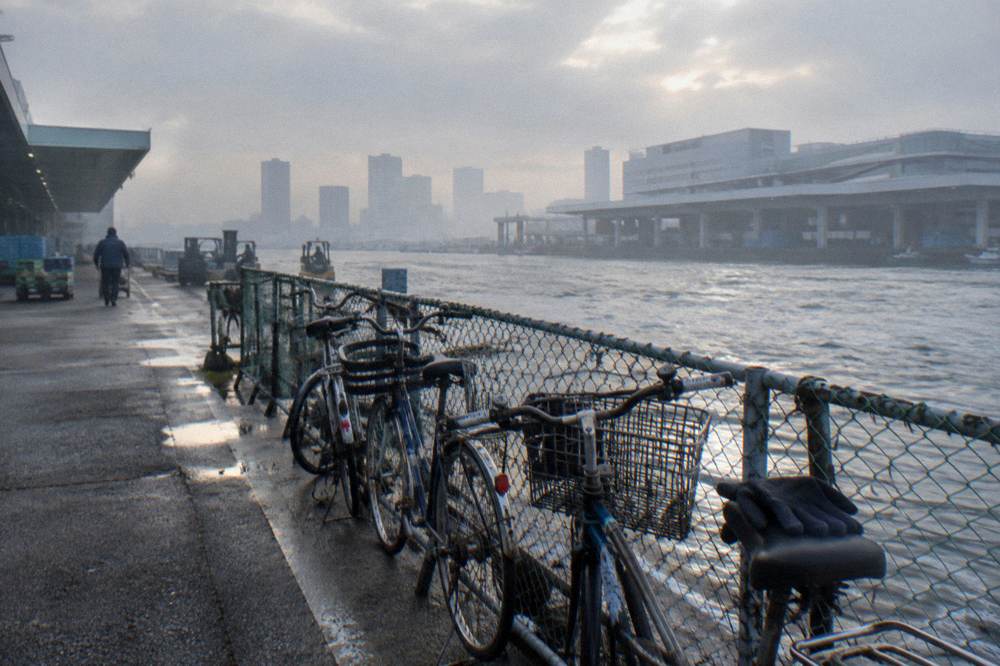
The only published, verified share prices in Tokyo belong to Docomo. One-time use costs 165 yen including tax for the first 30 minutes, with each further 30 minutes at another 165 yen. A monthly plan at 3,300 yen makes the first 30 minutes of every ride free, which matters only for longer stays. The day pass costs 1,650 yen bought at a convenience store, or 2,200 yen issued with an IC card, and is valid until 23:59 the same day. Full details are on the official Docomo Bike Share price page. Registration needs a smartphone, a credit card and, for the day pass, an SMS-capable phone, which is worth confirming before you rely on it.
HELLO CYCLING is the other big network: one account works across its nationwide stations, you can return a bike at any HELLO CYCLING station rather than the one you started from, and the app supports English. Its prices are set per prefecture and per vehicle type and load dynamically, so no reliable printed figure exists, only the official price page. The practical difference from Docomo is flexibility of return location; the trade-off is that you check the fare in the app each time.
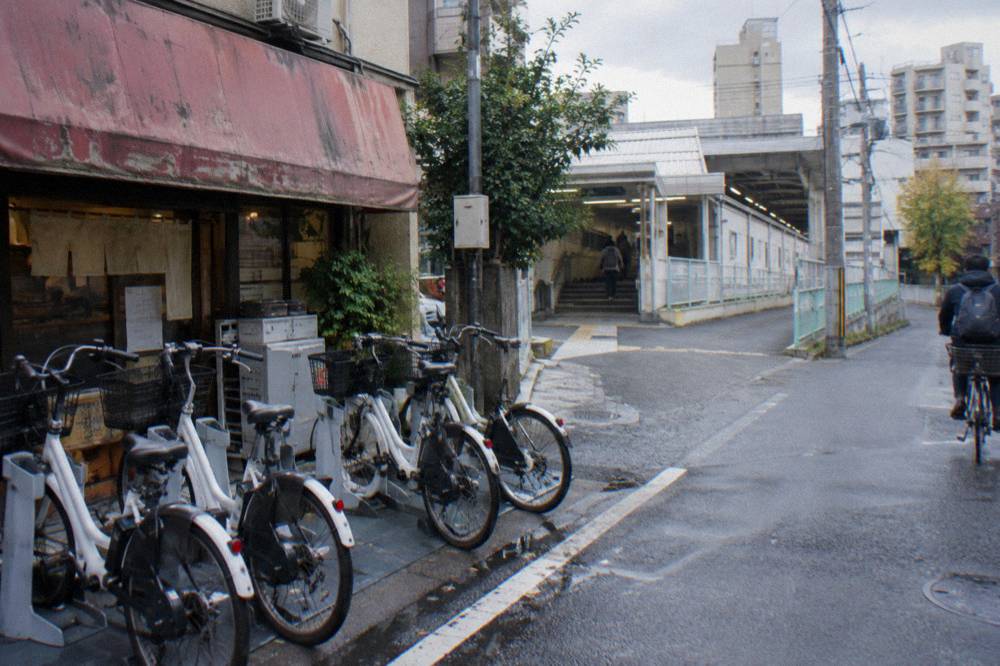
Rental shops, the tokyobike-style storefronts where you take a bike for the day, set their own rates and there is no verified standard price to quote, so treat any number a shop site shows as that shop's own figure and confirm before you go. What is verified is the obligation behind every rental: under the Tokyo ordinance, bicycle rental businesses must insure the hirer's use and must tell renters what the insurance covers. Ask the shop what your rental includes; the Tokyo police insurance page explains the requirement.
The comparison below prices the three approaches for a typical sightseeing day.
| Option | Verified price | What is included | Best for |
|---|---|---|---|
| Docomo one-time use | 165 yen per 30 min, 165 yen per extra 30 min | E-assist bike, port-to-port | Single trips under an hour |
| Docomo day pass | 1,650 yen (convenience store) or 2,200 yen (IC card) | Unlimited rides to 23:59 | Many short hops in one day |
| HELLO CYCLING | Set per prefecture and vehicle, shown in app | Bike, any-station return | Flexible return points |
| Rental shops | Not standardized, confirm with each shop | Bike for the day, insurance required | Long self-guided days |
| Guided tours | From $32.39 to $156.77 per person | Bike, usually helmet and guide | First-time visitors, routes |
How Does Bike Share Compare With A Guided Tour?
Share bikes cost less per hour but leave everything to you: route, rules, parking and repair risk. A guided tour from about $46 to $107 per person bundles bike, helmet and guide, and on this site's options the bike is included on every listing, with group sizes capped between 3 and 15. Tours win on first visits, share wins on repeat visits.
If you're riding outside the capital too, the guide to bike rental prices across Japan shows how the two options compare nationwide.
The maths favours share bikes until you price your own mistakes. A 165-yen half hour is unbeatable value, but it assumes you already know which side of the road to ride on, where the signed sidewalk exceptions are, and which port has a free dock near your destination. Tokyo's cycling rules tripped up enough visitors that the Metropolitan Police publishes an English traffic rules page stating plainly that cyclists, including tourists from overseas, will be issued tickets for traffic offences. A guide absorbs all of that local knowledge for you.
Price the tours and the gap narrows further than most people expect. The 3-Hour Highlights, Bike or E-Bike tour, rated 4.9 across 980 reviews, starts from $61.54 per person and lets each rider choose a regular bike or an e-bike at the meeting point by the Statue of Commodore Perry; helmets rent for 1,000 yen cash on the day. The Shibuya-Harajuku 3-Hour Ride covers two of the city's most requested neighbourhoods from $57.01 per person. Even at the premium end, the Akihabara and Palace E-Bike Loop at from $97.17 keeps its group to four riders maximum.
The e-bike question is worth a moment here, because share bikes are electric-assist but a rental shop may hand you a regular bike, and tours differ too. If hills or summer heat are a factor, the dedicated e-bike listings remove the guesswork: the e-bike comparison guide breaks down that choice in detail.
Riders who want the food as much as the riding have a strong middle path. The West-Side Cycling With Food Stops tour from DIG Tokyo Tours runs 3 hours 30 minutes from Koenji Station, caps the group at eight and includes the bike and guide from $106.89 per person, rated 5.0 across 223 reviews. That is more than a day pass, but no share bike buys you a local eating itinerary.
When Is A Guided Tour Better Than Renting On Your Own?
Rent solo when your day is one neighbourhood and you are confident with left-side riding; book a tour when you want the whole-city highlights loop, a first-timer's safety buffer, or a specialist angle such as food, night riding or history. Every tour option here includes the bike, and the small-group listings cap at 4 to 12 riders.
Confidence is the real dividing line. Tokyo cycling is safe by global standards but rule-dense: ride on the left, lights on after dark, no phones, no umbrellas while riding, and yield to pedestrians wherever a sign permits sidewalk use. A reader who has cycled in a big city before will adapt within an hour, and for that rider the 2.5-Hour Central Short Ride, rated 5.0 across 25 reviews from $51.82 per person, is a gentle guided introduction before going solo the next day. A reader who has not touched a bike since childhood is better served by the beginners' tour guide, which lists the operators that pace their rides for new cyclists.
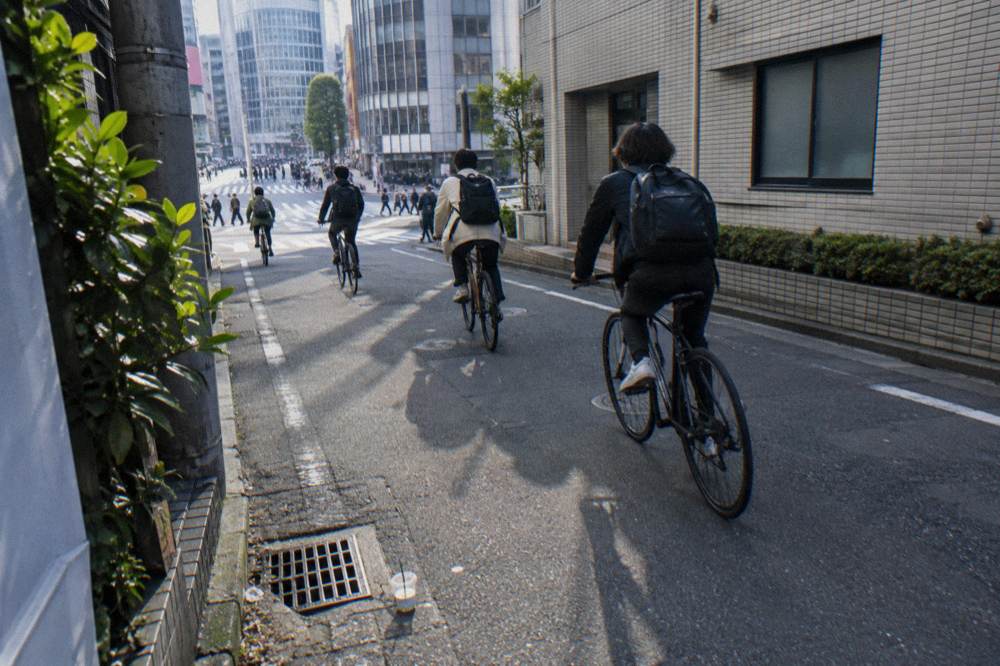
Time budget matters too. Share bikes and shop rentals both cost you planning time: finding ports, checking the app, route-finding. Tours are turnkey. The Full-Day Traditional Ride from BREZZA covers roughly 20 km over a full day from $97 per person, rated 4.8 across 139 reviews, and simply hands you the day. At the opposite extreme, budget-conscious riders can take the 5-Hour History Ride with a certified guide from $32.39 per person, one of the least expensive guided options anywhere in the city, though with only 4 reviews so far it is a young listing rather than a proven one. Everything else covered here is indexed on Tokyo Bike Tours.
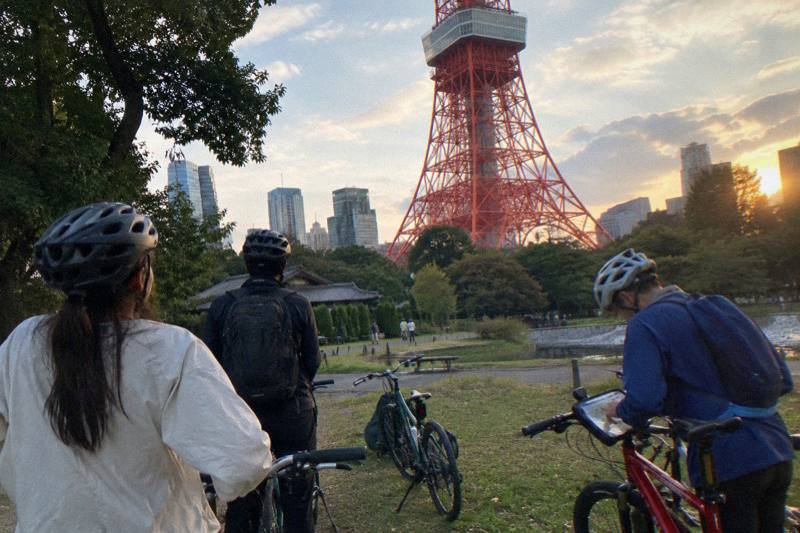
Night is the moment the guided case is strongest. Street lighting, one-way systems and pedestrian density all change after dark, and the 2-Hour Night Lights Ride, rated 5.0 across 31 reviews and from $55.06 per person, threads Shibuya's city lights and Tokyo Tower with a group capped at six. Doing that solo on a share bike is possible, but the safety margin is worth the fare.
Where Can You Park A Rental Bike In Tokyo?
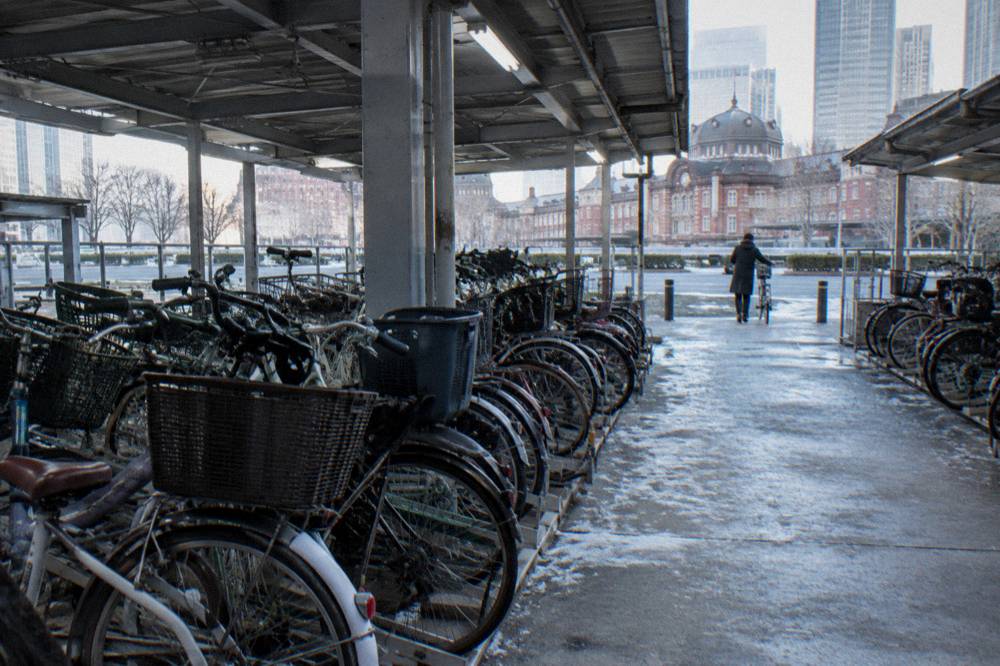
Share bikes go back to a designated port, with extension fees running until you dock. Private or shop-rented bikes must use paid or legal parking, because wards remove bikes parked near stations, and Minato City charges a 2,000 yen impound fee to get one back. Never leave a bike locked to a railing on the sidewalk.
Parking is where visitors most often get caught out. With Docomo Bike Share the rule is absolute: the bike must be returned to a Bike Station, and the meter keeps running until it is docked, so end your ride at a port, not outside your restaurant. Ports cluster near stations and attractions across the central wards, and the app's map shows live dock availability, which matters at rush hour when popular ports fill.
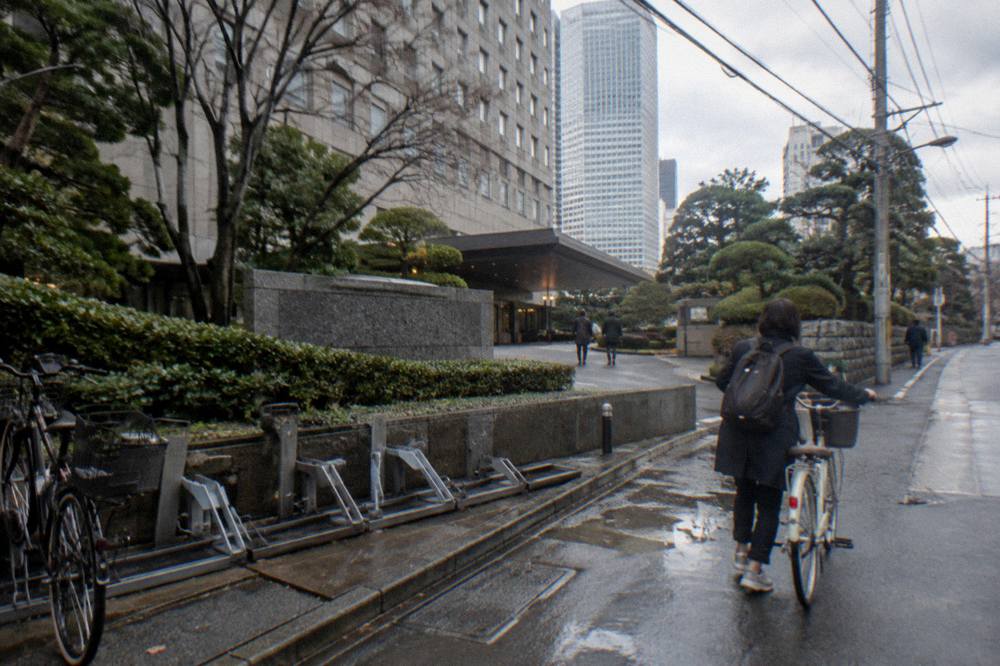
For any bike that is not share-based, the ward rules bite. Shinjuku removes bicycles parked around stations and charges a handling fee to recover them, and Minato City's impound fee is 2,000 yen for a bicycle. The spot you choose matters: a paid bicycle lot, a designated area, or the shop you rented from. The full picture, including what happens to abandoned bikes, is in the bike parking guide, and ward-specific detail is on the Minato City bicycle removal page.
Guided tours sidestep the problem entirely: the operator owns the bike and the parking, and the meeting point, such as Tokyo Opera City Sankun Garden or Umayamichi Park on the listings here, is where the ride both starts and ends. For a visitor whose Japanese does not extend to negotiating with an impound lot, that alone can justify a tour.
What Are The Cycling Rules A Renter Must Know?
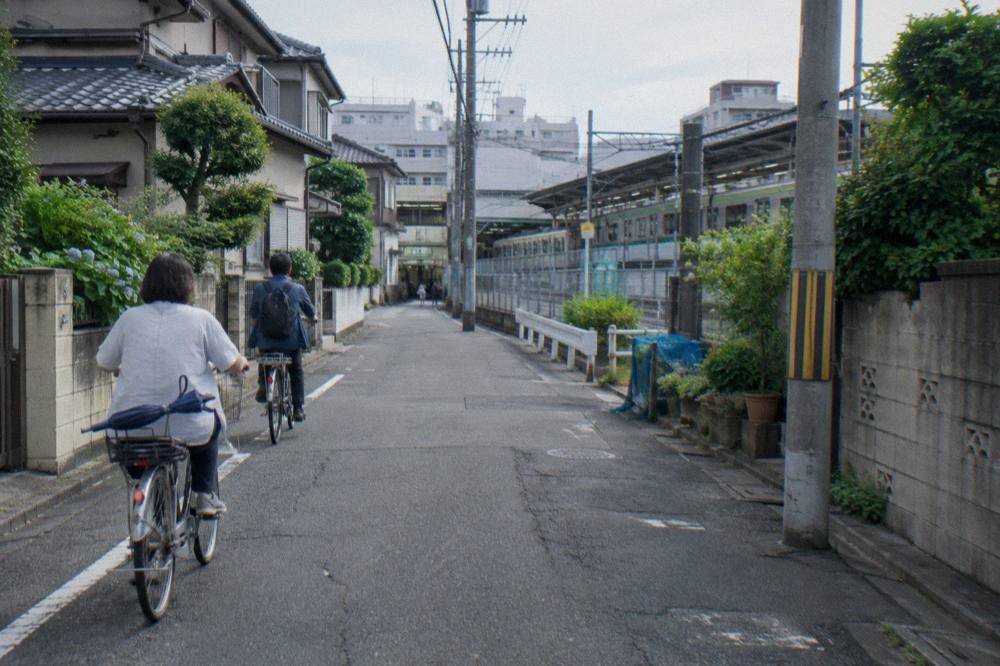
Ride on the left of the roadway by default, use sidewalks only where a sign permits, keep lights on at night, and never touch your phone while riding: since 1 April 2026 a blue-ticket system applies to riders aged 16 and over, including overseas visitors, with fixed fines from 3,000 to 12,000 yen for violations. Helmets are an effort obligation for every age, with no fine.
- City Bike Tours$32.39
- Private Tours$45.35
- Night Rides$55.06
- E-Bike Tours$61
- Day Trips By Bike$76
The blue-ticket regime is the biggest recent change to Tokyo cycling. Officers normally start with guidance and a warning, and tickets target dangerous or malicious violations, but the fixed fines are real and the Metropolitan Police English traffic rules page confirms tickets apply to visitors. The headline figures: holding a phone to talk or watch its screen carries the top fine of 12,000 yen; ignoring a signal, riding against traffic or dangerous sidewalk riding 6,000 yen; riding without a light at night, an umbrella in hand or earphones in both ears 5,000 yen; riding two abreast or carrying a passenger 3,000 yen. Drunk cycling is not a blue-ticket matter at all but a criminal one.
Insurance is the other legal requirement. Since 1 April 2020 the Tokyo ordinance requires every cyclist in the city to hold liability insurance or an equivalent, and many travellers are already covered without knowing it: home, travel or credit-card policies with a personal liability rider count. Rental businesses must cover the hirer's use and explain what is covered, so a shop rental or a tour handles this for you, while a share-bike rider should check their own travel policy. The official visitor summary is on the GO TOKYO bicycles page.
| Violation | Fixed fine (yen) |
|---|---|
| Holding a phone to talk or view its screen | 12,000 |
| Entering a closing rail crossing | 7,000 |
| Ignoring a signal, wrong-side riding, unsafe sidewalk riding | 6,000 |
| No light at night, umbrella or earphones in both ears, failing to stop at a stop sign | 5,000 |
| Riding two abreast, carrying a passenger | 3,000 |
Weather planning sits alongside the rules. JMA's 1991 to 2020 normals for the Tokyo station put the wettest months in September and October, at 224.9 mm and 234.8 mm of rain, and the driest in December, February and January. August is the hottest, averaging a 26.9 C mean and 31.3 C daily maximum, a serious consideration for a self-guided rental day and a good argument for a short e-bike tour with a guide who knows the shade. The best time to cycle guide works through the calendar month by month.
Which Rental Option Fits Your Trip?
Match the product to the day: a 1,650 yen share day pass for hop-heavy neighbourhood days, a shop rental for a long self-planned route, a small-group tour from about $51.82 to $107 per person for the first-time highlights loop, and a private e-bike tour from $45.35 per person for families or anyone who wants the pace set for them.
Use the decision table below as a shortcut. It prices real options from this site's tour pages and the verified share fares, so every figure is one you can book against.
| Your day | Best fit | Real example | Price |
|---|---|---|---|
| Many short hops, one neighbourhood | Docomo day pass | Unlimited rides to 23:59 | 1,650 yen |
| One loop, first visit, want context | Small-group tour | Flexible 3-6 Hour Small-Group Ride, 4.9 from 212 reviews | from $64.78 pp |
| Downtown backstreets, half a day | Small-group tour | 4-Hour Downtown Backstreets Ride, 4.9 from 124 reviews | from $77.74 pp |
| Family or couple, own pace | Private tour | Private 2-Hour E-Bike Ride, 7 reviews | from $45.35 pp |
| City highlights, choose bike type | Small-group tour | 3-Hour Highlights, Bike or E-Bike, 4.9 from 980 reviews | from $61.54 pp |
| Eating as well as riding | Food tour | West-Side Cycling With Food Stops, 5.0 from 223 reviews | from $106.89 pp |
The private tier deserves a note, because many renters never consider it. Private tours are priced per person from a base that changes with group size, so the booking page, not a printed average, is the honest number. The Harajuku Shop Private Road Bike option from Ono Wheel, rated 5.0 across 22 reviews from $129 per person, hands a keen cyclist a proper road bike instead of a city shopper, something no share port offers. The Private E-Bike From Your Hotel tour, 5.0 across 171 reviews from $156.77 per person, removes even the journey to a meeting point.
For trips beyond the city, renting or touring both work differently again: the day-trip rides start outside central Tokyo, and the Japan-wide overview covers those. Within Tokyo itself, the pattern holds: share for hops, tours for first impressions, private for control.
Guided Tokyo Bike Tours: Starting Price Per Person
Starting per-person prices for five tours on this site
Tokyo Bike Tours exists because that comparison, solo rental versus a guided ride, is the decision most visitors actually face, and the honest answer is that both have a place in a well-planned trip.
Common Questions About Bike Rental In Tokyo
Is It Worth Renting A Bike In Tokyo?
Yes, for neighbourhood-scale exploring. Share bikes at 165 yen per 30 minutes or a 1,650 yen day pass beat the metro for short hops, and guided tours from $32.39 to $156.77 per person cover the bike, usually a helmet and a planned route. Rent solo for depth, book a tour for breadth.
How Much Is Docomo Bike Share In Tokyo?
One-time use costs 165 yen for the first 30 minutes and 165 yen per further 30 minutes. A day pass costs 1,650 yen from a convenience store or 2,200 yen with an IC card and is valid until 23:59. A monthly plan at 3,300 yen makes the first 30 minutes of every ride free.
Can Tourists Use Tokyo Bike Share?
Yes. Docomo Bike Share registration needs a smartphone and a credit card, and the day pass needs an SMS-capable phone. HELLO CYCLING supports English in its app and one account works across its stations. Bikes must be returned to designated stations, and fees keep running until docked.
What Happens If I Park A Rental Bike On The Sidewalk?
Wards remove bicycles parked illegally near stations. Minato City charges a 2,000 yen impound fee to recover a bicycle, and Shinjuku also removes bikes and charges a handling fee. Use a paid bicycle lot or, on a guided tour, let the operator handle parking entirely.
Do I Need Insurance To Ride A Rental Bike In Tokyo?
Tokyo ordinance has required cyclists to hold liability insurance since 1 April 2020, and rental businesses must insure the hirer's use and explain what is covered. Many travel, home and credit-card policies with a personal liability rider already count, so check yours before riding.
When Is A Guided Tour Cheaper Than Renting?
Often sooner than expected. A share day pass is 1,650 yen, but the Certified Guide, 5-Hour History Ride starts from $32.39 per person with meals listed as included, and the 2.5-Hour Central Short Ride, helmet included, from $51.82. Once you value the route, the local knowledge and the included meals, the guided price closes the gap quickly.