How Much Does It Cost To Rent A Bike In Japan?
Bike share in Tokyo costs 165 yen per 30 minutes or 1,650 yen for a day pass, while guided tours run from about $32.39 to $156.77 per person. Here is how the numbers compare.
Renting a bike in Japan costs between roughly 165 yen for a 30-minute share ride and 1,650 yen for a full-day share pass in Tokyo, while guided tours with a bike, helmet and guide included run from $32.39 to $156.77 per person. Shop rental rates vary by store and are not standardized, so the reliable numbers are the official share prices and the printed tour prices.
The honest answer is that "rental" in Japan means two different things. Bike share, the port-based system run by Docomo Bike Share across central Tokyo, is the cheap and predictable option, with verified prices published on the operator's official rate page. Traditional rental shops exist across the city, but their daily rates differ from shop to shop and no verified citywide figure exists, so the practical approach is to compare share pricing against guided tours, where every cost is fixed and printed up front. If the thought of pedaling up Tokyo's hills makes those cheap share prices look less appealing, the guide to e-bike rental prices and rules in Tokyo explains what an electric bike actually adds and when a guided tour becomes the better deal.
For most short visits the arithmetic favors a tour more than people expect. A guided ride bundles the bike, a route, a guide who handles the road rules and usually a helmet into one per-person price. Renting alone saves money only when you already know where you want to go and how Tokyo's cycling rules work. The sections below lay out the verified share prices, the printed tour prices across the tour pages on Tokyo Bike Tours, the hidden costs that catch renters out, and the insurance and helmet rules that apply to every rider, visitor or local. If you want the wider picture on getting bikes in the city, the companion guide on bike rental options in Tokyo covers shops and share systems in more depth.
The prices here come from two places: the official Docomo Bike Share rate page for yen figures, and the individual tour pages for the dollar figures. Nothing in between is guessed. Where a number is not verified, this article says so plainly rather than filling the gap.
“It’s a great day covering a lot of Tokyo, such a fun way to explore. Experiencing places that aren’t on the normal tourist maps.”
What Does Bike Share Cost In Tokyo?
Tokyo's main share system charges 165 yen for the first 30 minutes and 165 yen for each further 30 minutes, with a day pass at 1,650 yen from a convenience store or 2,200 yen with an IC card, and a monthly plan at 3,300 yen. A day pass covers unlimited rides until 23:59 on the day of purchase, which makes it the benchmark number for comparing against a tour.
These are the verified prices from the official Docomo Bike Share Tokyo rate page, and they include tax. The day pass is bought at a convenience store and needs an SMS-capable phone for registration, or it can be bought with an IC card for 2,200 yen, which requires photo ID. Registration needs a smartphone and a credit card, and foreign cards are supported through the app.
- City Bike Tours$32.39
- Private Tours$45.35
- Night Rides$55.06
- E-Bike Tours$61
- Day Trips By Bike$76
The catch with share bikes is the return rule. Bikes must go back to a designated Bike Station, and extension fees keep running if a bike is left outside one. For point-to-point sightseeing between stations that is fine. For a loop through backstreets with no clear destination, it becomes a planning constraint rather than a freedom. HELLO CYCLING is a second nationwide network with a Tokyo presence, returnable at any of its stations with one account, but its prices are set per prefecture and vehicle inside the app and no verified Tokyo figure can be quoted here, so check the app before relying on it.
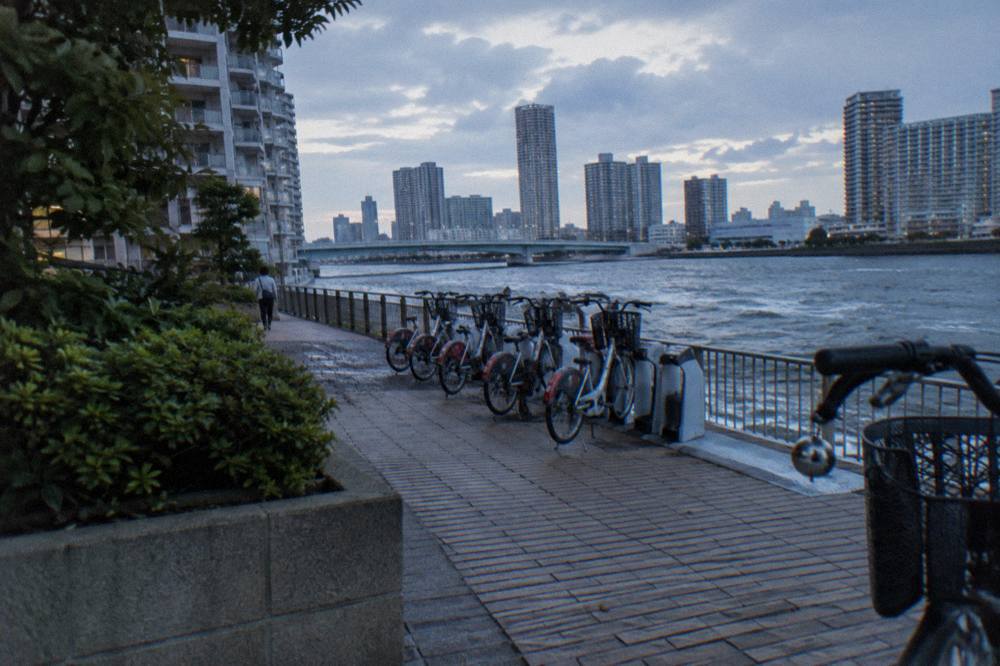
Here is what the verified share pricing looks like side by side:
| Option | Price | What it covers |
|---|---|---|
| Single ride | 165 yen per 30 minutes | One trip, plus 165 yen per further 30 minutes |
| Day pass, convenience store | 1,650 yen | Unlimited rides until 23:59, needs SMS-capable phone |
| Day pass, IC card | 2,200 yen | Same validity, photo ID required |
| Monthly plan | 3,300 yen per month | First 30 minutes of each ride free, unlimited rides |
Set against that, even a long day of share riding between four or five stops tops out at the 1,650 yen day pass, and a rider still has to solve routing, rules and parking alone. That is the gap a tour fills. The 3-Hour Highlights, Bike or E-Bike tour from TRB BIKE TOUR, for instance, runs from $61.54 per person with the bike and guide included and a 4.9 rating across 980 reviews, and each rider chooses a regular bike or an e-bike at the start. That is one of the most-reviewed rides covered here, and it needs no app registration, no station hunting and no insurance shopping on your part, since the rental business side of the insurance rule is handled by the operator. Riders meet at the Statue of Commodore Perry, and helmets rent for 1,000 yen in cash on the day.
For a longer comparison of what different tour formats charge, the Tokyo bike tour cost guide breaks the price tiers down by duration and group size.
What Do Guided Tokyo Bike Tour Options Cost Compared With Rental?
Guided Tokyo tours covered here run from $32.39 per person for a 5-hour history ride to $156.77 per person for a private e-bike tour from your hotel, with popular small-group options clustered between $57 and $107 including the bike and usually a helmet. Every price is a per-person from-price, and group-size-dependent totals are settled on the booking page.
Rental, by contrast, is priced per bike per block of time, and the comparison only works when you price a full day. A 1,650 yen day pass plus your own food stops, navigation and helmet is cheaper on paper than a $97 full-day ride, but the tour price buys six hours of routing, a guide and a bike that is already insured under the operator's obligations.
The cheapest entries on the tour side are striking. The Certified Guide, 5-Hour History Ride runs from $32.39 per person, though with only 4 reviews so far it is too new for a rating claim. At the other end, the Small-Group Long City Ride by Bicycle Tours Tokyo costs from $106.89 per person and carries a 5.0 rating across 1,308 reviews, with a group capped at 5, a helmet included and a meeting point at Tokyo Opera City Sankun Garden. Between those poles sit most of the options a price shopper will actually weigh:
| Tour | Duration | Price per person | Reviews | Bike included |
|---|---|---|---|---|
| 2.5-Hour Central Short Ride | 2 hours 30 minutes | from $51.82 | 5.0 from 25 reviews | Yes |
| Shibuya-Harajuku 3-Hour Ride | 3 hours | from $57.01 | 4.8 from 57 reviews | Yes |
| 3-Hour Highlights, Bike or E-Bike | 3 hours | from $61.54 | 4.9 from 980 reviews | Yes |
| Hidden Gems E-Bike, 3-4 Hours | 3 to 4 hours | from $62.19 | 4.9 across 895 reviews | Yes, e-bike |
| 4-Hour Downtown Backstreets Ride | 4 hours | from $77.74 | 4.9 from 124 reviews | Yes |
| 6-Hour Full City Ride | 6 hours | from $97.17 | 4.9 from 842 reviews | Yes |
| Small-Group Long City Ride | 6 hours 30 minutes | from $106.89 | 5.0 across 1,308 reviews | Yes |
Read that table as three tiers. Under $60 sits the short-ride tier, best for a first taste or a tight schedule, where the 2.5-Hour Central Short Ride and the Shibuya-Harajuku 3-Hour Ride are the strongest value. The $60 to $80 middle tier is where the heavily reviewed highlights rides live, including the e-bike options, which matter in a city with summer heat. Above $90 are the full-day rides, where the 6-Hour Full City Ride at from $97.17 per person with a 4.9 rating across 842 reviews covers far more ground than any renter will manage alone before fatigue and navigation eat the afternoon.
For riders who want the machine to do some of the work, the Tokyo e-bike tour guide compares the electric-assist options in detail, including which tours let you choose between a regular bike and an e-bike at the meeting point.
Is a mid-range tour worth it over renting? The Hidden Gems E-Bike, 3-4 Hours ride from Japan Wonder Travel is a good test case: from $62.19 per person, rated 4.9 across 895 reviews, groups capped at 6, with bike, helmet and guide included. Renting an e-bike on its own for half a day gets you the bike and nothing more, with no route and no guide. The full picture on that trade-off is in e-bike or regular bike in Tokyo, which explains who actually benefits from the assist.
Which Hidden Costs Should Renters Budget For In Tokyo?
Renters in Tokyo should budget for helmet rental where it is not included, typically around 1,000 yen in cash on tours that charge for it, plus food and drink on most rides, bicycle parking at stations, and the liability insurance the Tokyo ordinance requires, which rental businesses must provide and explain. The parking and insurance items are the ones visitors most often miss.
“Our tour guide Gaku curated a really nice tour of Tokyo, including popular tourist sites as well as hidden gems that only a local would know. I highly recommend spending the afternoon cycling with Gaku on this small group tour.”
Helmet rental on the TRB BIKE TOUR rides, for example, is 1,000 yen in cash on the activity date, while many other operators include the helmet in the printed price. Food and drinks are excluded on most tours, from the Small-Group Long City Ride to the Riverside E-Bike Ride, so budget lunch separately. On the rental-only path, every one of these items lands on you at once.
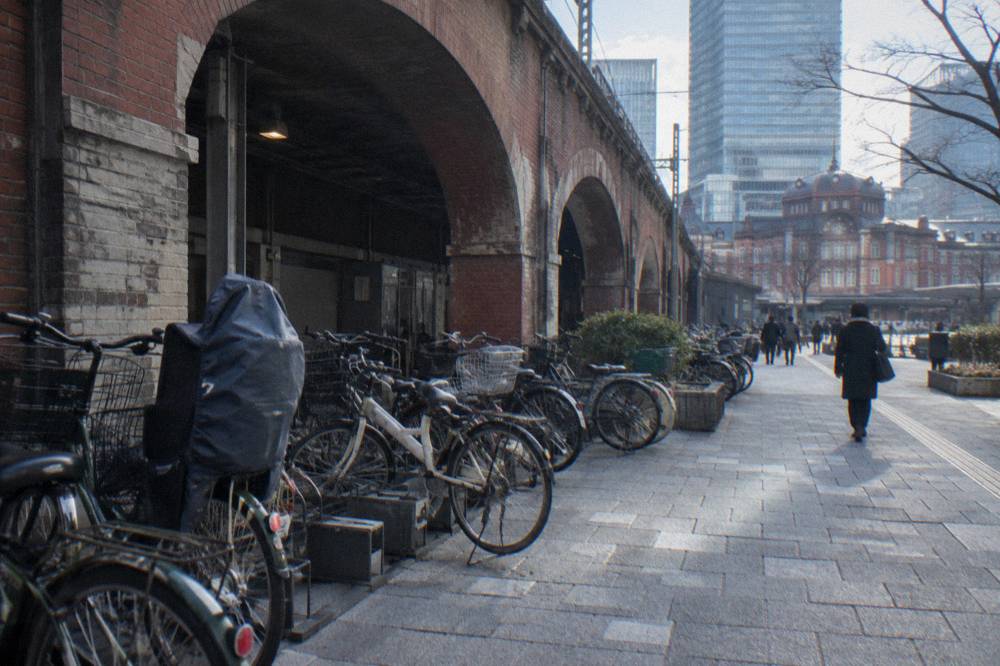
Parking is the quiet budget killer for independent riders. Tokyo wards remove bicycles parked near stations, and the impound and handling fees are real money. Minato City charges an impound fee of 2,000 yen for a bicycle, per the ward's official bicycle removal page, and Shinjuku also removes bikes near stations and charges a handling fee. Tour riders never touch this problem because the bike returns to the operator at the meeting point. The share day pass also avoids it, since share bikes return to a port rather than to street furniture, and the wider rules are laid out in the Tokyo bike parking guide.
| Cost item | Typical exposure | Avoided on a guided tour |
|---|---|---|
| Helmet rental | About 1,000 yen cash on some tours | Usually included in the price |
| Bicycle parking or impound | 2,000 yen impound fee in Minato City | Yes, bike returns to operator |
| Liability insurance | Required by Tokyo ordinance | Operator's rental cover applies |
| Food and drink | Usually self-pay | Usually still self-pay |
| Navigation and route time | Your own time and effort | Included |
Time is the least counted cost. A renter who spends forty minutes finding a port with a free bike, another stretch solving a route across a city where signage is mixed, and a final loop hunting a return station has paid nothing in yen and a great deal in daylight. The guided 4-Hour Downtown Backstreets Ride, from $77.74 per person with a 4.9 rating across 124 reviews, spends those same hours on backstreets a first-time visitor would not find, which is the real product being purchased.
Do You Need Insurance Or A Helmet To Ride In Tokyo?
Yes to insurance and effectively yes to a helmet. Tokyo ordinance has required every cyclist in the prefecture to hold bicycle liability insurance since 1 April 2020, and rental businesses must insure the hirer's use and tell renters what is covered. Helmets are an effort obligation for every age since April 2023, with no fine, but Tokyo police report that 63.5 percent of cycling deaths in the city between 2021 and 2025 involved fatal head injuries.
For a visitor, the practical reading is simple: a guided tour satisfies the insurance requirement through the operator, and most tour prices include a helmet, while an independent renter must confirm cover before rolling out.
The insurance rule has teeth because the liability judgments behind it were enormous, with Tokyo police citing court awards in past cycling cases that ran to tens of millions of yen, which is why the ordinance exists. Existing policies with a personal liability rider, including some travel, credit card and home policies, can count, so the cover does not have to be bought fresh in Japan, but it does have to actually exist. The Tokyo police insurance page sets out what qualifies, and the official GO TOKYO visitor guide confirms the rule applies to overseas tourists.
On helmets, the law asks rather than fines, but the statistics are not subtle. Tokyo's fatality rate without a helmet is 2.3 times higher, per the police helmet guidance, which is why tour operators that include one, from the Full-Day Traditional Ride at from $97 per person to the Akihabara and Palace E-Bike Loop at from $97.17, are effectively pricing in a safety item that renters must source separately.
Is A Tour Or A Rental The Better Value For A Short Visit?
For a visit of three days or less, a guided tour is usually the better value once insurance, helmet, parking, navigation and the cost of mistakes are counted, because tours from $51.82 to $106.89 per person bundle most of it. Rental and share win clearly for longer stays, a repeat visitor with a known route, or a rider who wants aimless wandering, where a 1,650 yen day pass is unbeatable.
The decision hinges on how much of the city you already know. A first-time visitor pricing a rental day against a tour should compare the full stack, not the headline numbers.
“We always try to join a bike tour when we travel cities. This was by far the best one yet! The route chosen was truly a backstreet, off the beaten path route. The tour guide was so friendly, and informative. He truly made the tour amazing and memorable.”
Consider the two archetypes. A confident cyclist on a fourth Tokyo trip wants to drift along the Sumida river paths and stop where things look interesting: share bikes at 165 yen per half hour, a day pass if the stops multiply, no guide, done cheaply. A first-time visitor wants to see Asakusa, the palace backstreets and a sunset without studying ward parking rules: the Local Life E-Bike, Starts Near Station tour, from $63.48 per person and rated 4.9 across 753 reviews, does that with the bike and guide included, and the premium night option, the Night Hidden Gems E-Bike at from $142 per person with a 4.8 rating across 27 reviews, adds the after-dark city that independent riders rarely risk on unfamiliar roads. Night riding rules and risks are covered separately in the Tokyo night bike tour guide.
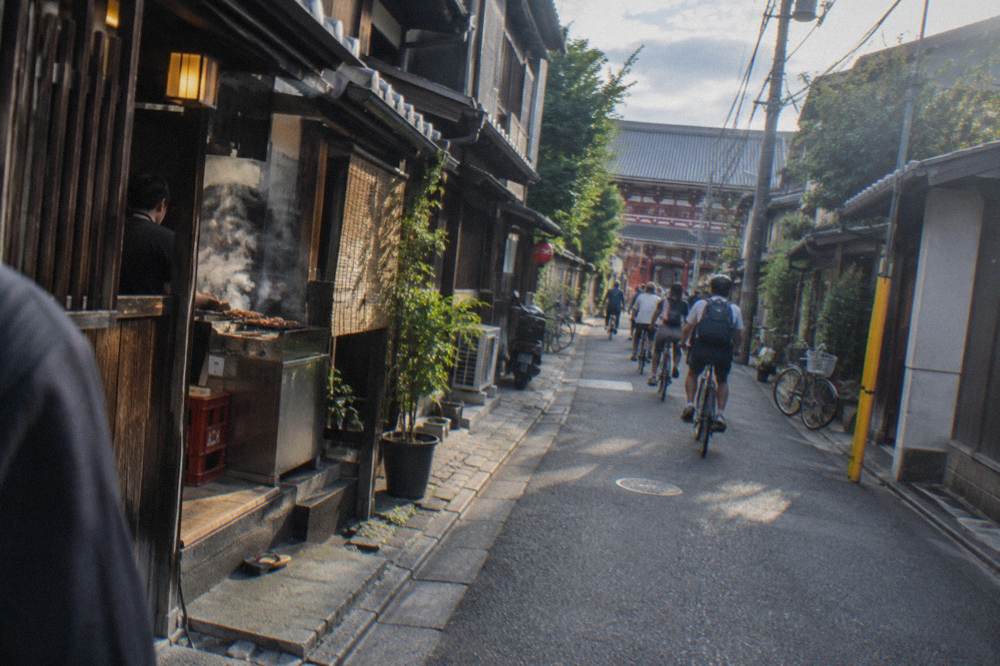
Two more price points complete the picture for visitors weighing extremes. The 80-Minute Shibuya Ride from JAPANKART runs from $46 per person, the shortest and one of the cheapest guided options, though with 5 reviews it is too new for a rating claim. At the top of the private tier, the Private E-Bike From Your Hotel tour by Tokyo Bike Bliss runs from $156.77 per person with the total depending on group size, rated 5.0 across 171 reviews, and it removes even the journey to a meeting point. Between them sits nearly every budget and style of visit.
Cancellation policy matters to the value calculation too, because Tokyo weather is not free. September averages 224.9 mm of rain and October 234.8 mm, per JMA 1991 to 2020 normals for the Tokyo station, the two wettest months of the year. Nearly every tour covered here offers free cancellation per the listing, which converts a rainy-day risk into a reschedulable booking rather than a sunk cost, something a convenience-store day pass never does.
For a rider who decides the full-day guided format is the right spend, the Small-Group Long City Ride is the strongest example in that tier, with its small cap of 5 riders and its long track record of reviews.
For groups and families, the private tier changes the arithmetic again. The Private Highlights E-Bike, Budget option from Trip Port runs from $54 per person, rated 4.4 across 47 reviews, and shows how low a private per-person floor can sit. The trade-offs between private and shared rides, including which group sizes favor which, are laid out in the private versus group bike tour in Tokyo comparison.
Whichever way the numbers point for your trip, the three rides below cover the full spread of price and format, from a mid-price highlights ride with a bike or e-bike choice to a premium night loop.
Common Questions About Renting A Bike In Japan
How Much Does It Cost To Rent A Bike In Japan?
Bike share in Tokyo costs 165 yen for the first 30 minutes with 165 yen per further half hour, or 1,650 yen for a day pass from a convenience store and 2,200 yen with an IC card. Traditional shop daily rates vary by store and are not standardized, while guided tours run from $32.39 to $156.77 per person with the bike included.
Is Bike Share Cheaper Than A Guided Tour?
On paper, yes. A 1,650 yen day pass costs less than any tour. But a tour from $51.82 per person includes the bike, a guide, usually a helmet, and insurance coverage arranged by the operator, so the gap narrows once you add helmet rental, parking risk and the cost of navigational mistakes.
Do I Need Insurance To Ride A Rental Bike In Tokyo?
Yes. Tokyo ordinance has required bicycle liability insurance since 1 April 2020, and the rule applies to overseas visitors. Rental businesses must insure the hirer's use and explain what is covered, and some travel and credit card policies with a personal liability rider already count.
Are Helmets Included In Tokyo Bike Tour Prices?
Often, yes. Tours such as the Small-Group Long City Ride and the Hidden Gems E-Bike, 3-4 Hours include a helmet in the price. Some operators charge about 1,000 yen in cash on the day, so check the inclusions on the booking page before you ride.
What Happens If I Park A Rental Bike On A Tokyo Sidewalk?
Wards remove bicycles parked near stations. Minato City charges an impound fee of 2,000 yen per bicycle, and Shinjuku applies its own handling fee. Share bikes avoid this by requiring return to a designated station, and tour bikes return to the operator at the meeting point.
Can Tourists Use Docomo Bike Share In Tokyo?
Yes. Registration needs a smartphone and a credit card, foreign cards are supported, and a 1,650 yen day pass is available at convenience stores with an SMS-capable phone, valid for unlimited rides until 23:59. Bikes must be returned to a designated station or fees keep running.