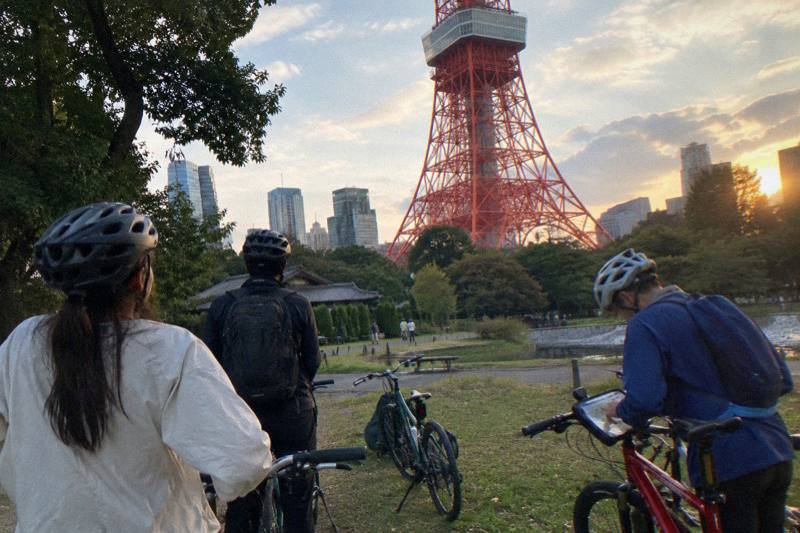
Best Time To Cycle In Tokyo: Heat, Cold And Blossom Season
Tokyo is rideable in every month of the year, but the seasons swing from January lows near 1 C to August highs above 31 C, and the month you pick shapes the tour you should book.
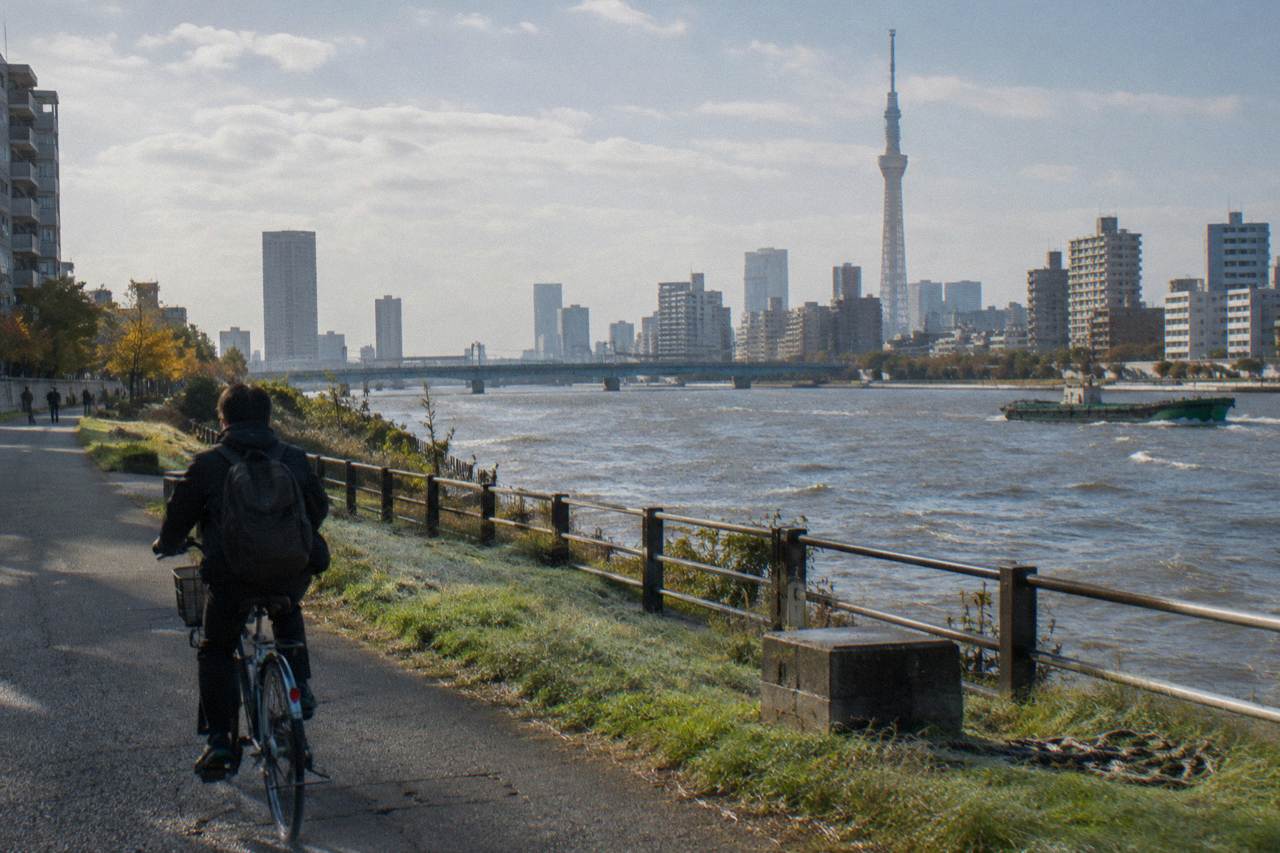
Short answer
The most comfortable months to cycle in Tokyo are March, April, November and December, when mean temperatures run 7.7 to 14.3 C and rainfall is near its annual low. August is the hottest month, with a mean daily maximum of 31.3 C, and September and October are the wettest, at 224.9 and 234.8 mm of rain.
Tokyo delivers one of the widest seasonal spreads of any major cycling city. The Japan Meteorological Agency's 1991 to 2020 normals for the Tokyo station put January at a mean of 5.4 C with nights near 1.2 C, and August at a mean of 26.9 C with average daily highs of 31.3 C. Rainfall swings just as hard, from 56.5 mm in February to 234.8 mm in October. The month you choose changes everything: which tour runs comfortably, whether you want an e-bike, and whether a 6.5-hour loop like the Small-Group Long City Ride, rated 5.0 across 1,308 reviews, is a pleasure or an endurance test. Whatever month you land on, the season-by-season guide to cycling clothing in Tokyo covers what to wear, from helmet and footwear picks to the rain gear you will actually need.
This guide works through the seasons using only measured data and real tour figures, so you can match a booking to a month rather than guessing. Every price below is a per-person from-price taken straight from the tour information, and the climate numbers come from the official JMA normals. Where a figure is a long-run average rather than a single year's observation, the text says so, because the difference matters when you are planning months ahead. Averages are the better planning tool; they describe what a month typically delivers rather than what one unusual year did.
When Is The Best Time To Cycle In Tokyo?
The best window for cycling in Tokyo is mid-March through April, with a near-equal second season in November and December. March averages 14.2 C daily highs on 116.0 mm of rain, April 19.4 C on 133.7 mm, November 16.7 C on just 96.3 mm, and December 12.0 C on 57.9 mm. These months combine mild temperatures with the driest stretch of the calendar.
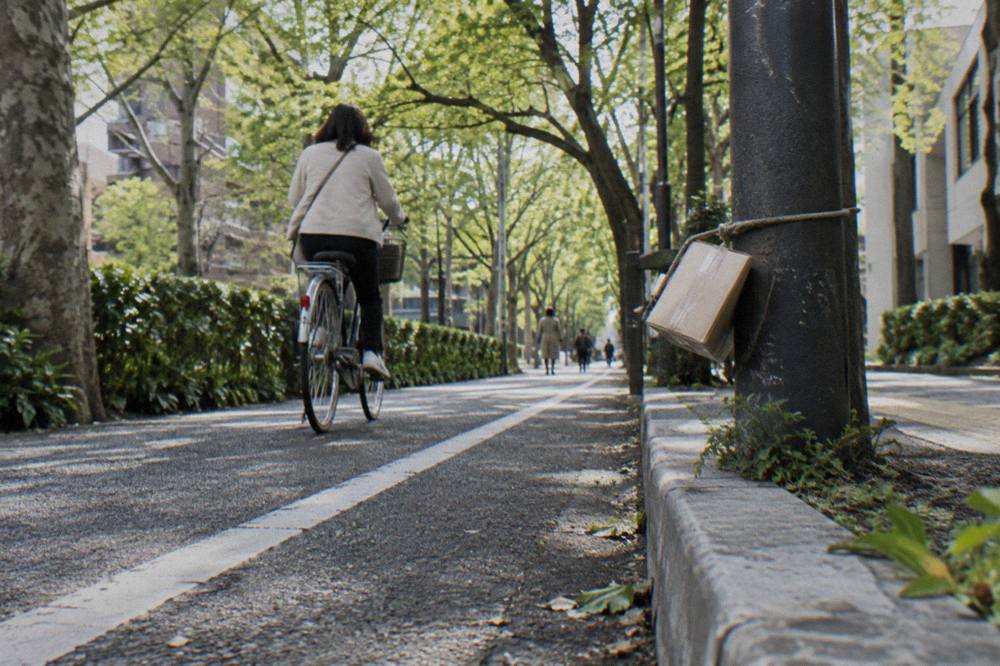
Spring wins on two fronts. First, the temperatures sit in the range where a 3 to 6 hour ride needs no special preparation. Second, the cherry blossom season lands squarely inside it: the JMA recorded Tokyo's first bloom on 19 March in 2026, five days earlier than the 24 March normal, with full bloom on 28 March against a 31 March normal. Riversides and park loops that are ordinary asphalt in February become the city's best-known scenery for two weeks.
Late autumn is the connoisseur's pick. November is the driest of the warm-ish months at 96.3 mm, and December is drier still at 57.9 mm. The light is low and clear, and Fuji-view days, which the winter months are known for, start becoming frequent. If you want a full-day commitment such as the Full-Day Traditional Ride from BREZZA, about 20 km and rated 4.8 across 139 reviews, from $97 per person, November is the month where that distance feels short.
| Season | Months | Mean temp C | Mean daily max C | Rainfall mm | Verdict for cycling |
|---|---|---|---|---|---|
| Late winter | Jan to Feb | 5.4 to 6.1 | 9.8 to 10.9 | 59.7 to 56.5 | Cold but dry, thin crowds |
| Spring | Mar to Apr | 9.4 to 14.3 | 14.2 to 19.4 | 116.0 to 133.7 | Best overall, blossom crowds |
| Early summer | May to Jun | 18.8 to 21.9 | 23.6 to 26.1 | 139.7 to 167.8 | Warm, increasingly wet |
| High summer | Jul to Aug | 25.7 to 26.9 | 29.9 to 31.3 | 156.2 to 154.7 | Hot, plan short early rides |
| Autumn | Sep to Oct | 23.3 to 18.0 | 27.5 to 22.0 | 224.9 to 234.8 | Wettest months, mild when dry |
| Late autumn | Nov to Dec | 12.5 to 7.7 | 16.7 to 12.0 | 96.3 to 57.9 | Dry, cool, excellent |
The official JMA 1991 to 2020 normals for the Tokyo station are the source for every figure in that table, and they hold up well year to year because they average three decades.
How Hot Is Tokyo Cycling In Summer?
Tokyo summer cycling is genuinely hot: July averages a 29.9 C daily maximum and August 31.3 C, with mean nighttime lows of 22.4 and 23.5 C that give little relief. Rainfall stays moderate at 156.2 and 154.7 mm, but heat, not rain, is the planning problem. Short morning rides and e-bikes are the practical answers.
The trap in August is not only the afternoon peak. Nights that average 23.5 C mean the city never cools down, so a 2 pm start is as hard on hour three as on hour one. Guided operators counter this by scheduling early departures and by shifting demand toward shorter formats. A 6.5-hour commitment in August is a different product from the same ride in April.
The range of options reflects the season in its structure. The shortest city option, the 2.5-Hour Central Short Ride from Tokyo Backstreets Bike Tour, from $51.82 per person and rated 5.0 across 25 reviews, exists partly for exactly this: a ride that finishes before the afternoon heat builds. At the other end of the day, night tours multiply in summer, and the Summer Night Bay E-Bike Ride from Cycling Holiday Tokyo, a new listing from $63.48 per person, moves the whole experience to the cooler hours over the bay.
E-bikes change the summer equation more than any other season. Pedal assist cuts the physical load, which cuts heat stress. The 3-Hour Highlights, Bike or E-Bike option from TRB BIKE, from $61.54 per person and rated 4.9 across 980 reviews, lets each rider choose at booking, a decision worth making in favor of the motor from June through September. Helmets are an effort obligation for every age rather than a fined requirement, per Tokyo police helmet guidance, but summer or not, most tours include one in the price.
Summer also rewards riders who use the river corridors. Route guides describe the Arakawa levee paths as long, continuous and closer to the water than the street grid, which typically runs a degree or two cooler than asphalt canyons in Shibuya or Shinjuku at midday. Riding near water also means headwind relief on the return leg when the breeze picks up in the afternoon, and river paths generally carry fewer stops than the street grid, which keeps your speed steady without hard efforts.
Hydration is worth a paragraph of its own. Several tours explicitly list bottled water and snacks as not included, among them the Old Town History Ride, Regular Bike, from $61.54 per person, so carry more water in July and August than feels reasonable when you set out. Convenience stores are dense along most central routes, and operators routinely build a drink stop into summer departures.
Which Tours Suit Each Tokyo Season Best?
Match tour length to the month: 6-hour rides fit March, April, October, November and December; 3-hour and night rides fit June through September. The Small-Group Long City Ride costs from $106.89 per person, the Full-Day Traditional Ride from $97, and the Private E-Bike From Your Hotel from $156.77 per person, with the private total depending on group size.
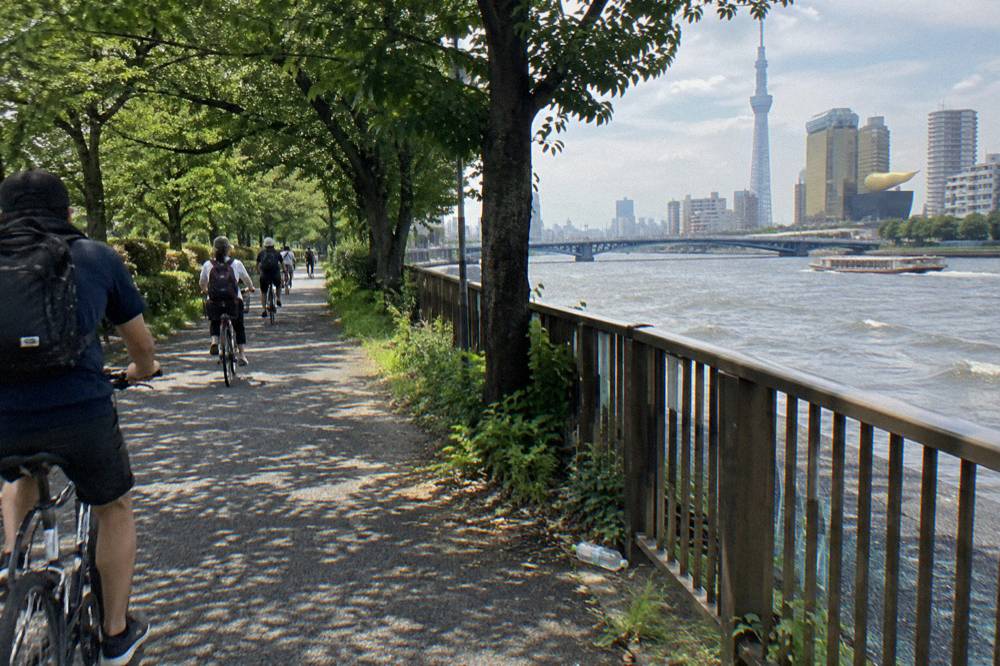
This is where season planning turns into a booking decision. A six-and-a-half-hour, maximum-five-participant ride such as the Small-Group Long City Ride from Bicycle Tours Tokyo, which meets at Tokyo Opera City Sankun Garden, is a superb April product: long daylight, mild air, blossom-lined river stops. In August the same distance is better spread across a full-day format with a slower traditional-town pace, which is what the Full-Day Traditional Ride offers, helmet and guide included, food and hotel transfer not.
| Tour | Duration | Price from | Rating | Best months |
|---|---|---|---|---|
| Small-Group Long City Ride | 6h 30m | $106.89 | 5.0 from 1,308 reviews | Mar, Apr, Nov, Dec |
| Full-Day Traditional Ride (about 20 km) | Full day | $97 | 4.8 from 139 reviews | Mar, Apr, Oct, Nov |
| Private E-Bike From Your Hotel | 3h | $156.77 | 5.0 from 171 reviews | Year round, ideal Jun to Sep |
| 2.5-Hour Central Short Ride | 2h 30m | $51.82 | 5.0 from 25 reviews | Jun to Sep |
| Night Hidden Gems E-Bike, Premium | 2h | $142 | 4.8 from 27 reviews | Jun to Aug |
Private e-bike tours are the all-season hedge. The Private E-Bike From Your Hotel option from Tokyo Bike Bliss starts where you are staying, includes bike, helmet and guide, and runs 3 hours; the price is a per-person from-price and the total depends on group size, so the booking page gives the real figure for your party. In summer the format means you can set a 7 am start without a station commute first; in winter the shorter block keeps you off the bike before fingers go numb.
After that comparison, the premium night e-bike pick below suits the June to September heat, moving your ride into cooler dark hours.
In the July and August heat, the night ride below is the better pick.
This booking carries free cancellation per its listing, which matters when you are planning around weather months in advance.
When Do Cherry Blossoms Bloom In Tokyo For Cycling?
Tokyo's cherry blossoms open around 24 March and reach full bloom around 31 March on the JMA 1991 to 2020 normals. In 2026 the actual dates were earlier: first bloom on 19 March, five days ahead of normal, and full bloom on 28 March. For cycling, the last week of March into the first days of April is the target window.
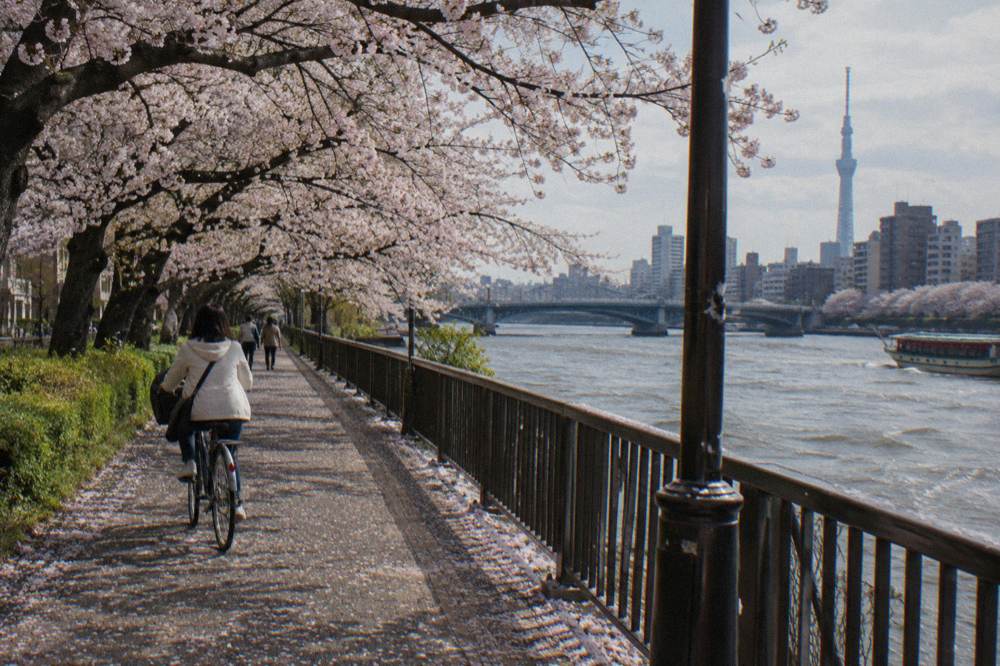
The official JMA first-bloom records are the reference every forecast builds on, and the spread between a 19 March and a 24 March opening is the difference between booking a tour for the last week of March or the first week of April. Full bloom, tracked in the JMA full-bloom data, typically holds about a week, and riverside paths are the natural place to meet it on two wheels.
Blossom season has a cost: everyone else has the same idea. Group sizes matter more in April than in any other month, and a maximum of 5 or 6 riders keeps the experience intact on crowded paths. The trade is worth it. A morning that combines the Sumida riverbank with a backstreet loop in Yanaka or Asakusa during full bloom is the single best cycling window Tokyo offers all year, and the March mean maximum of 14.2 C is close to ideal riding temperature. The wider set of guides lives on Tokyo Bike Tours.
Book early for this fortnight. The most reviewed options fill their small groups first, and March and April departures are the ones that go first every year. If your dates are slightly flexible, aim for the first days of April: you trade a few fallen petals for noticeably thinner crowds on the paths, and the April mean daily maximum of 19.4 C is warmer than March without approaching summer heat.
How Rainy Is Cycling In Tokyo By Month?
The wettest months in Tokyo are October at 234.8 mm and September at 224.9 mm, roughly four times February's 56.5 mm. The driest stretch is winter: February 56.5 mm, December 57.9 mm and January 59.7 mm. June and July sit mid-table at 167.8 and 156.2 mm, so the rainy-season months are wetter than winter but far from the annual peak.
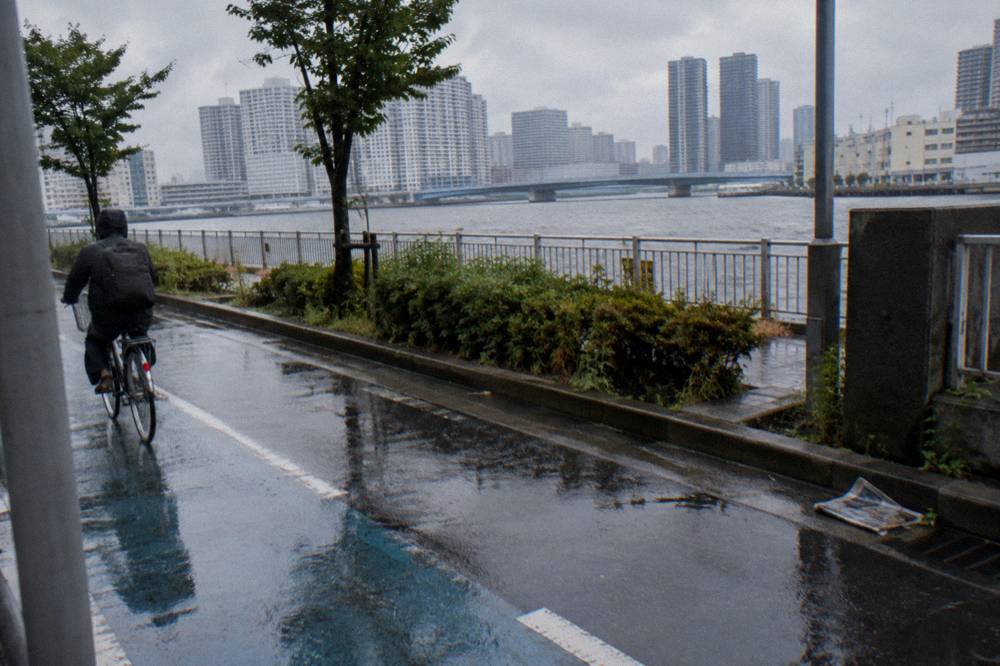
That ranking surprises people who assume the June rainy season is the wettest time to ride. Measured rainfall says otherwise: the early autumn delivers more total water than June does. September and October rain also tends to arrive in heavier bursts, which is why a flexible cancellation policy matters more for an October booking than a June one. Free cancellation is stated on nearly every tour's listing, so a wet forecast costs you nothing but a rebooking.
| Month | Rainfall mm | Mean daily max C | Cycling note |
|---|---|---|---|
| Jan | 59.7 | 9.8 | Dry, cold, quiet paths |
| Feb | 56.5 | 10.9 | Driest month of the year |
| Mar | 116.0 | 14.2 | Blossom window begins |
| Apr | 133.7 | 19.4 | Blossom peak, mild |
| May | 139.7 | 23.6 | Green, comfortable |
| Jun | 167.8 | 26.1 | Rainy season, humid |
| Jul | 156.2 | 29.9 | Heat becomes the issue |
| Aug | 154.7 | 31.3 | Hottest, ride early or at night |
| Sep | 224.9 | 27.5 | Second wettest month |
| Oct | 234.8 | 22.0 | Wettest month, mild when dry |
| Nov | 96.3 | 16.7 | Dry, cool, excellent |
| Dec | 57.9 | 12.0 | Dry and clear, cold mornings |
Practical takeaway: an October ride you hold loosely, a December ride you can plan tightly. If your dates are locked to September or October, favor tours with free cancellation and keep one flex day in the itinerary. The same logic applies to transport on wet days generally, and the overview in how to get around Tokyo explains when the train beats the saddle.
What Is Tokyo Winter Cycling Like?
Tokyo winter cycling is cold, dry and underrated: January averages a 5.4 C mean with nights at 1.2 C and only 59.7 mm of rain, February 6.1 C on 56.5 mm, and December 7.7 C on 57.9 mm. Midday highs of 9.8 to 12.0 C are entirely rideable with layers, and the paths are quiet.
Winter is the season Tokyo cycling quietly excels at. The three driest months of the year are February, December and January, in that order, so a winter booking is the least likely of any to be rained out. Clear winter days are also when the city's skyline and distant Fuji views are at their sharpest, which the bay and river corridors take full advantage of.
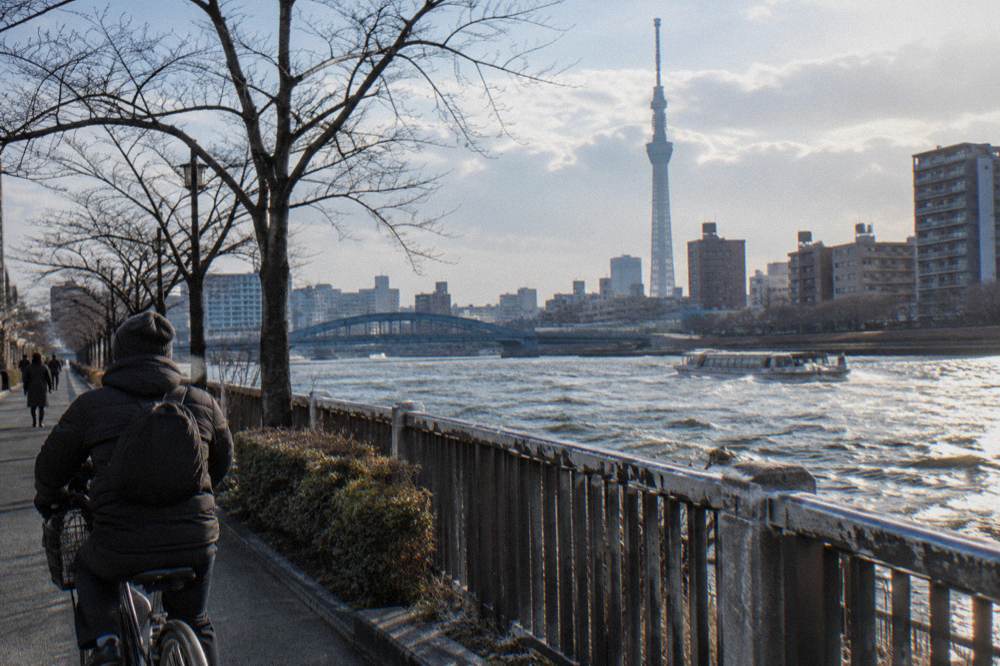
Dress for it and the cold stops being a factor. Gloves, a windproof layer and closed shoes cover a January ride; the question of kit is covered in detail in what to wear cycling in Tokyo. Tour formats that suit winter are the same 3-hour standards that suit summer, but for the opposite reason: you finish before the afternoon temperature drops, not before it climbs.
Winter is also the season where the indoor-and-outdoor mix matters most, and the planning ideas in free things to do in Tokyo pair well with a short ride on the same day. Because the sun sets early, a morning departure gives you the full daylight window; the 2-Hour Night Lights Ride from COG EXPLORER JAPAN, from $55.06 per person and rated 5.0 across 31 reviews, is a winter-friendly way to use the dark hours instead of losing them, since city illuminations are at their best in December.
- City Bike Tours$32.39
- Private Tours$45.35
- Night Rides$55.06
- E-Bike Tours$61
- Day Trips By Bike$76
Should You Pick The Tour First Or The Month First?
Pick the month first, then match the tour to it. A 6.5-hour group ride at from $106.89 per person is a March, April or November product; a 2 to 3 hour ride at from $51.82 to $63.48 per person is a July or August product; an e-bike at from $61.54 to $63.48 per person spreads across the whole year. The season decides the format before the price does.
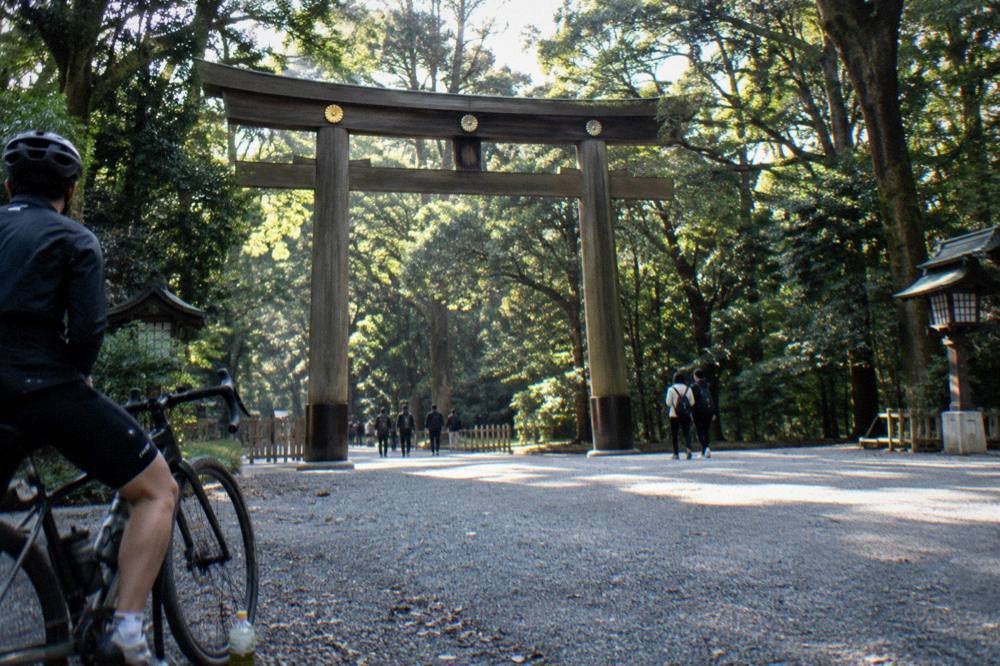
Riders who book the other way around, choosing a flagship full-day ride and then fitting it into an August itinerary, are the ones who struggle. The reverse mistake is rarer but real: booking a 2.5-hour sampler in April when the weather would comfortably carry a full traditional loop. The month-first approach also makes the e-bike decision for you, since the case for pedal assist is strongest exactly when the calendar is hottest.
If you are still weighing the format question generally, the comparison in bike tour or walking tour in Tokyo covers the trade-offs, and the broader best way to see Tokyo guide sets bike touring against the other transport options.
For riders whose month is fixed to summer, one format deserves a final mention before the closing questions.
The Local Life E-Bike option from Cycling Holiday Tokyo, from $63.48 per person and rated 4.9 across 753 reviews, keeps the group at six, includes bike, helmet and guide, and starts near a station, which trims the hot walk to the meeting point. Food and drinks are self-pay at the shops you stop at.
Common Questions About The Best Time To Cycle In Tokyo
When Is The Best Time To Cycle In Tokyo?
Mid-March through April, and November through December. March averages 14.2 C daily highs, April 19.4 C, November 16.7 C and December 12.0 C, and November and December are among the driest months at 96.3 and 57.9 mm of rain.
How Hot Is Tokyo Cycling In Summer?
July averages a 29.9 C daily maximum and August 31.3 C, with August nights averaging 23.5 C. Short morning rides, night tours and e-bikes are the practical summer formats, and several 2 to 3 hour tours and night rides are priced from $51.82 to $63.48 per person.
When Do Cherry Blossoms Bloom In Tokyo?
First bloom averages 24 March and full bloom 31 March on the JMA 1991 to 2020 normals. In 2026 the JMA recorded first bloom on 19 March and full bloom on 28 March, so the last week of March into early April is the cycling window.
What Is The Wettest Month For Cycling In Tokyo?
October, at 234.8 mm of rain, followed by September at 224.9 mm. The driest months are February at 56.5 mm, December at 57.9 mm and January at 59.7 mm, all per the JMA 1991 to 2020 normals for the Tokyo station.
Is Winter Too Cold For A Tokyo Bike Tour?
No. January averages a 5.4 C mean and 9.8 C midday highs on only 59.7 mm of rain, and February is slightly milder and drier. With gloves and a windproof layer, winter rides are comfortable, and the paths are at their quietest.
Which Tour Should You Book For Hot Months?
Short and shaded formats: the 2.5-Hour Central Short Ride from $51.82 per person, the 3-Hour Highlights, Bike or E-Bike from $61.54 per person, or a night ride such as the Night Hidden Gems E-Bike from $142 per person.