Free Things To Do In Tokyo And Where A Bike Takes You Further
Tokyo gives away an unusual amount for nothing: palace gardens, river levees, temple approach streets and Sunday car-free loops. Here is what is genuinely free, what only looks free, and where a guided ride starts to earn its price.
Short answer
Tokyo's core free sights are the Imperial Palace East Garden, public parks like Yoyogi and Ueno, riverside paths along the Sumida and Arakawa, and temple districts such as Asakusa and Yanaka, all open at no cost. Guided experiences start paying: a tip-based Imperial Palace walking tour runs 2 hours, and the Kamakura Scenic Day Ride costs from $148.99 per person, with the total depending on group size.
Tokyo has a reputation for expense that holds up in Ginza and collapses the moment you step into a park. The Imperial Palace East Garden charges nothing. The riverside levees along the Sumida and Arakawa charge nothing. Asakusa's temple streets, Yanaka's old-lane shopping street and the Sunday car-free loop around the palace moat all cost exactly zero yen, and they are the same sights many visitors cross the city to photograph. The Tokyo Bike Tours perspective is simple: the free layer of Tokyo is large and walkable, but it is also spread out, and that spread is where a bicycle starts to matter.
This page walks through the genuinely free things in Tokyo, flags the things that only look free, and finishes where most visitors eventually land: a paid guided ride that stitches the free highlights together. One paid option appears at the end, the Kamakura Scenic Day Ride, because it is the clearest example of a tour that buys something no amount of free walking replaces.
What Can You Do In Tokyo For Free?
The genuinely free core of Tokyo is its gardens, river levees, temple districts and car-free Sunday streets, all open at no admission cost, all reachable on foot or by bicycle, and together covering the historic east side, the green west side and the bay waterfront.
None of these need a ticket, a membership or a minimum spend. What they do demand is time and shoe leather, because Tokyo's free sights sit anywhere from two to ten kilometres apart, and that distance is the quiet argument for covering them on two wheels instead of on foot.
Start with the categories. Gardens and parks form the biggest block: the Imperial Palace East Garden, Ueno Park with its museum exteriors and shrine paths, Yoyogi Park next to Meiji Shrine's forest approach, and the smaller neighbourhood parks scattered through every ward. Waterfront and river paths form the second block, including the Sumida River terraces between Asakusa and Ryogoku and the long Arakawa levee system. Route guides describe a roughly 30 km riverside segment from Ukima Park downstream to Kasai Rinkai Park, traffic-light-free in parts, and entirely free to ride. The third block is street-level heritage: Yanaka Ginza's sloping shopping lane, the temple approach streets of Asakusa, and the shrine forests that sit inside the city as if reserved for exactly this purpose. If you want to see how Tokyo's free riverside riding connects to the country's better known routes, the guide to Japan's famous bike rides covers the levee paths and coastline trips you can build around it.
| Free category | Representative places | Typical time | Admission |
|---|---|---|---|
| Palace grounds | Imperial Palace East Garden, outer moat loop | 1 to 3 hours | Free |
| Large parks | Ueno Park, Yoyogi Park, Kasai Rinkai Park | 1 to 4 hours | Free |
| Riverside paths | Sumida terraces, Arakawa levees | 1 to 3 hours | Free |
| Heritage streets | Yanaka Ginza, Asakusa temple streets | 1 to 2 hours | Free |
| Views and bridges | Odaiba waterfront promenade | 1 to 2 hours | Free |
The official visitor guide from the Tokyo tourism board covers the bicycle-accessible waterfront routes in its bicycles for visitors page, which also restates the insurance rule that applies to everyone riding in Tokyo, tourists included. Reading it before you plan a free cycling day is worth ten minutes.
Is The Imperial Palace East Garden Really Free?
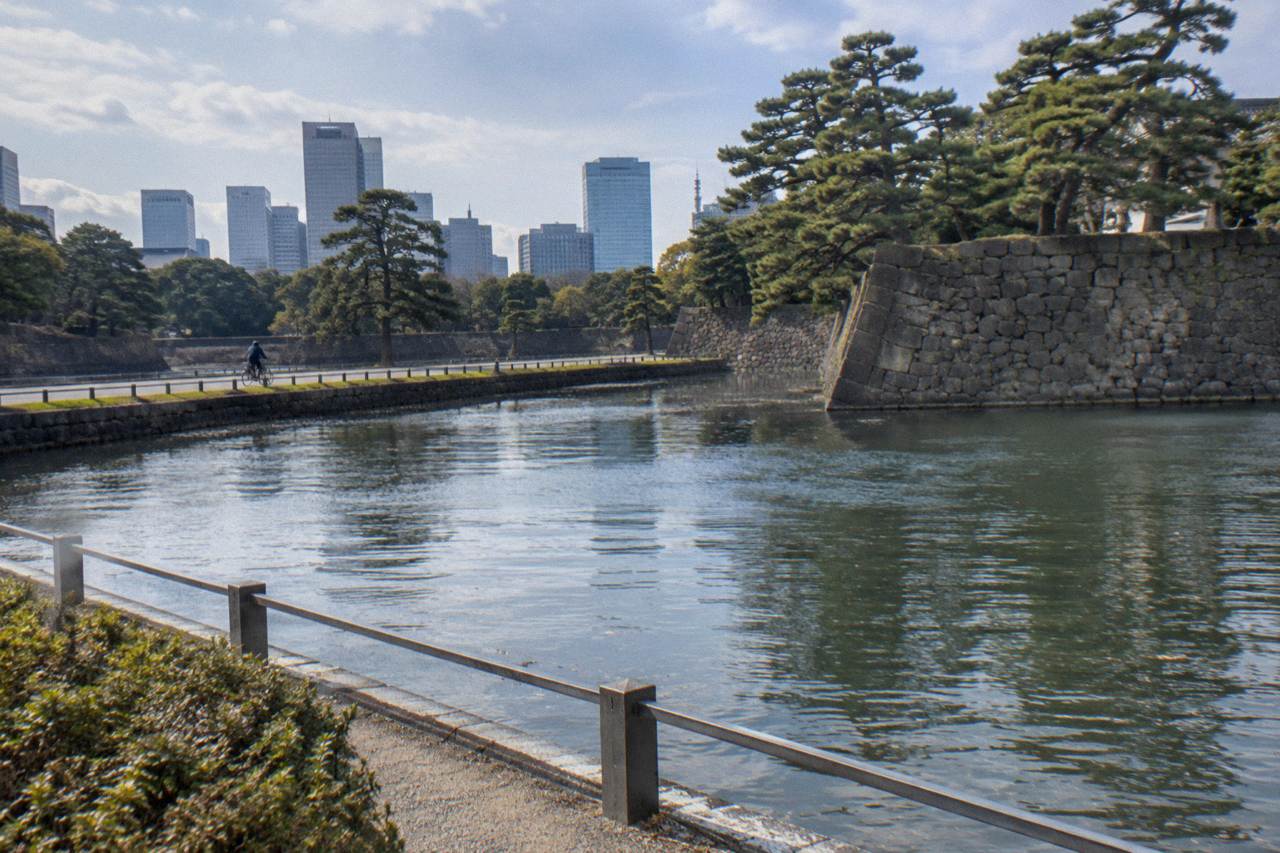
Yes, the Imperial Palace East Garden really is free to enter, with no admission fee of any kind. It sits on the old Edo Castle grounds, where stone walls, moats, guardhouses and gardens still stand, and it anchors the single best free walk in central Tokyo.
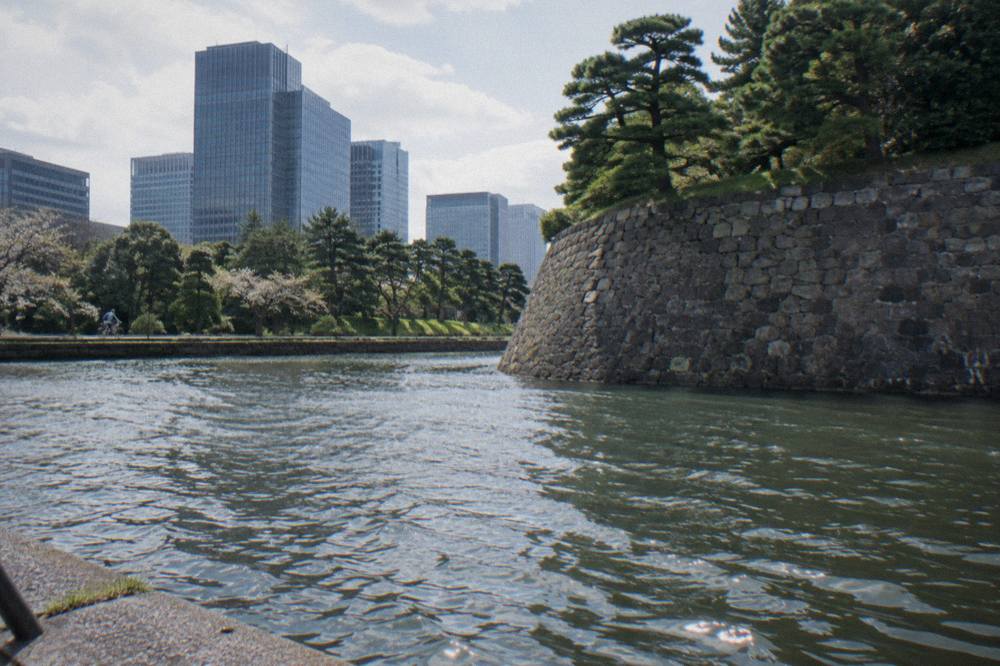
The garden occupies the site where Edo Castle's inner defences stood, and the keeps, gates and turret bases that survive are the reason the area reads as a ruin rather than an ordinary park. Around it runs the roughly 5 km perimeter road on the palace moat, open to cyclists on ordinary days and famous for its plane trees. Admission claims beyond "free" are best left off; the garden's day-to-day arrangements change, so check current information before a visit.
The free layer around the palace is deeper than most guidebooks admit. On Sundays, reports describe a Palace Cycling program that opens a roughly 3 km car-free segment along the moat, with free bicycle loans of around 70 bikes available since April 2026, lending from 10:00 to 15:30 with return by 16:00, weather permitting. The permanence of free-loan programs varies, so treat the loans as a bonus rather than a plan. The loop itself needs no loan, no booking and no ticket; it needs legs.
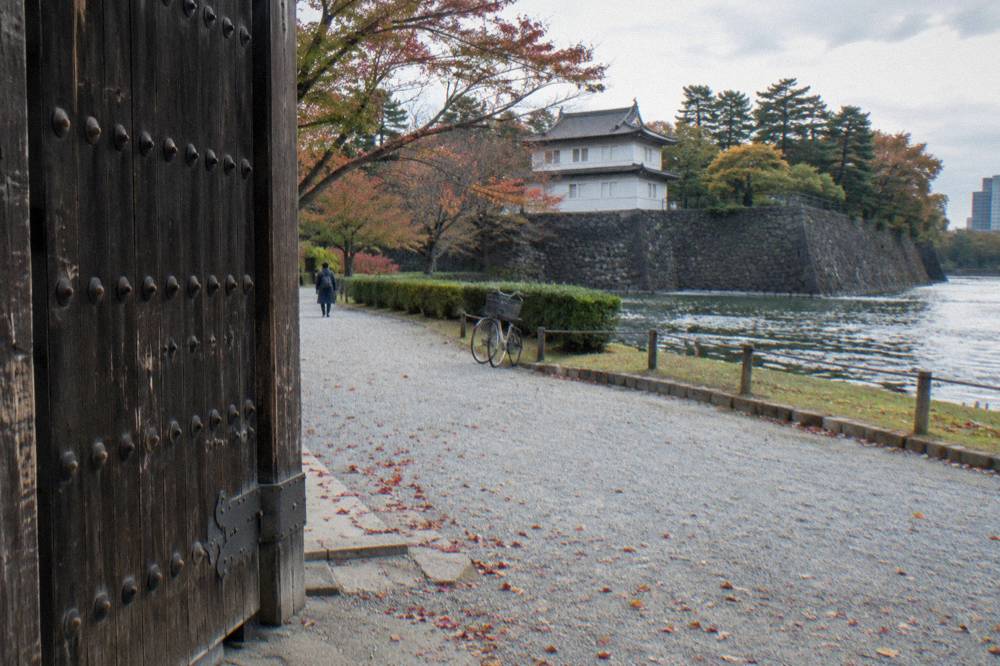
For visitors who want the garden explained rather than just walked, there is a tip-based option covered later on this page, a two-hour English storytelling walk that starts near the palace at 10:30. Between the free garden, the free loop and that walk, the palace area can fill a full morning without a single paid entry.
Which Tokyo Parks And River Paths Cost Nothing?
Tokyo's standout car-free riding costs nothing at Yoyogi Park, Ueno Park, and Kasai Rinkai Park, and along the Sumida and Arakawa river paths. Every one of them is free, and because they connect into continuous riding lines, you can cross half the city without a toll, a gate, or a membership of any kind.
The practical difference between them is character: Yoyogi is a weekend lawn carnival next to a shrine forest, Ueno is museums and cherry trees around a pond, Kasai Rinkai is bay wind and a big wheel at the far end of the Arakawa levee. The rivers stitch them together, which is why cyclists end up here even when the plan started as a park visit.
Route guides describe the Sumida River terraces as a continuous waterside line linking Asakusa's temple district toward Ryogoku, with Skytree views along the way, roughly a 4 km example segment. Upstream and across town, the Arakawa levee runs as a long car-light cycling road, with the red Akamizumon and blue Aomizumon water gates marking where the Arakawa and Sumida systems meet. Both are public flood-defence land, which is why nobody charges for them. The summary of riverside riding options sits in the Tokyo cycling routes guide, which lays out the corridors in more detail.
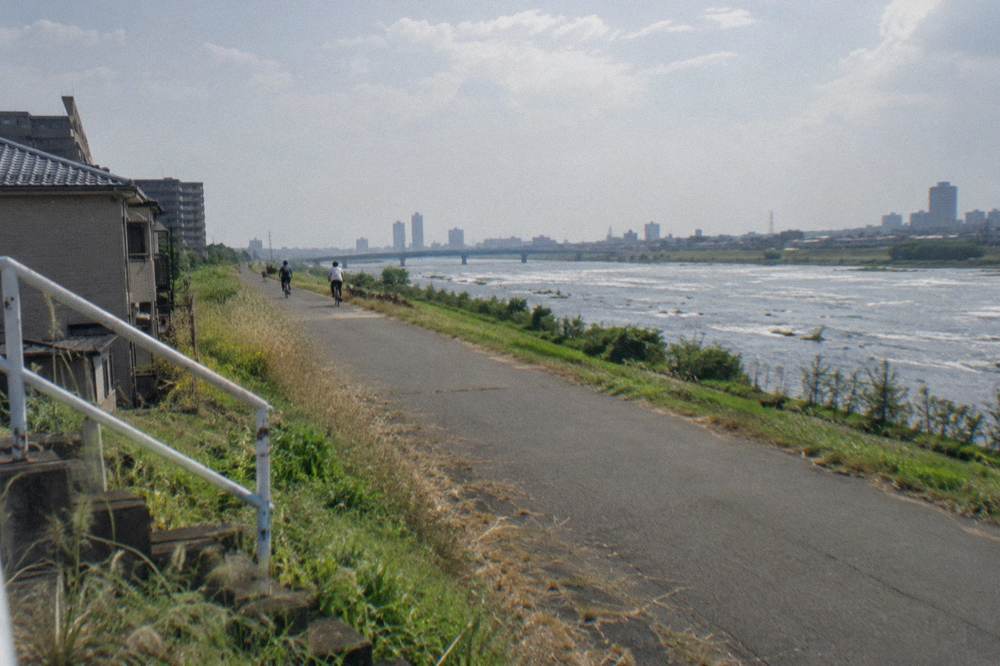
One seasonal note belongs here because it shapes every free outdoor plan: Tokyo's weather swings hard across the year. Japan Meteorological Agency 1991 to 2020 normals for the Tokyo station, published in the official climate table, show the pattern clearly.
| Month | Mean temp C | Mean daily max C | Precipitation mm |
|---|---|---|---|
| January | 5.4 | 9.8 | 59.7 |
| March | 9.4 | 14.2 | 116.0 |
| May | 18.8 | 23.6 | 139.7 |
| July | 25.7 | 29.9 | 156.2 |
| September | 23.3 | 27.5 | 224.9 |
| October | 18.0 | 22.0 | 234.8 |
October and September are the wettest months on the 30-year normals, at 234.8 mm and 224.9 mm respectively, while the winter months are the driest. For a free outdoor day, that makes late autumn through early spring the statistically safest bet, with March adding the cherry blossom draw: JMA records put Tokyo's 2026 first bloom on 19 March and full bloom on 28 March. The best time to cycle in Tokyo guide unpacks the seasons month by month, and the cycling in rain guide covers the wet end of the calendar.
Are Free Walking Tours In Tokyo Actually Free?
The honest answer is that free walking tours in Tokyo are free to join and tip-based to finish, and the Imperial Palace storytelling walk is the clearest example: two hours in English, rated 4.86 across 893 reviews, with the guide paid by tip at the end.
The walk, the Tokyo Imperial Palace Storytelling Walk Experience on GuruWalk, is bookable at no charge, and the listing says it starts at 10:30 in November 2026 and covers the Edo Castle ruins, the Sakurada Tatsumi Yagura turret and the Constable Guardhouse. You pay what you judge the two hours were worth when they end, which is the standard model for tip-based walks worldwide.
See this free tour on GuruWalk
Booking is the one step that matters. These walks cap their groups, and a 4.86 rating across 893 reviews means the word is out, so reserving a spot before the morning of the walk is the difference between a confirmed place and hoping for a no-show. The model suits budget travelers precisely because the cost scales with satisfaction: a walk that misses can be tipped lightly, and a walk that lands pays what it earned.
The tip-based walk also marks the boundary of the free tier. Everything before it on this page, gardens, parks, levees and streets, is free outright. The walk is free at the door and paid at the exit. Beyond it sit the experiences that were never free at all: guided bike rides with a route, a guide and a bike included, where the price is stated up front instead of left to the ending.
- City Bike Tours$32.39
- Private Tours$45.35
- Night Rides$55.06
- E-Bike Tours$61
- Day Trips By Bike$76
What Looks Free In Tokyo But Is Not?
The main false-free traps in Tokyo are bike share, which costs 165 yen per 30 minutes, rooftop observation decks, and any "free entry" attraction whose real product is a paid experience inside, and careless riding on the free paths carries its own price in fines.
Bike share is the biggest confusion for visitors, because the docks look like a public service. The official Docomo Bike Share Tokyo price page lists one-time use at 165 yen for the first 30 minutes and 165 per further 30 minutes, with a 1-day pass at 1,650 yen bought at a convenience store. That is cheap, and useful, but it is not free, and the bikes must go back to a designated station or the fees keep running.
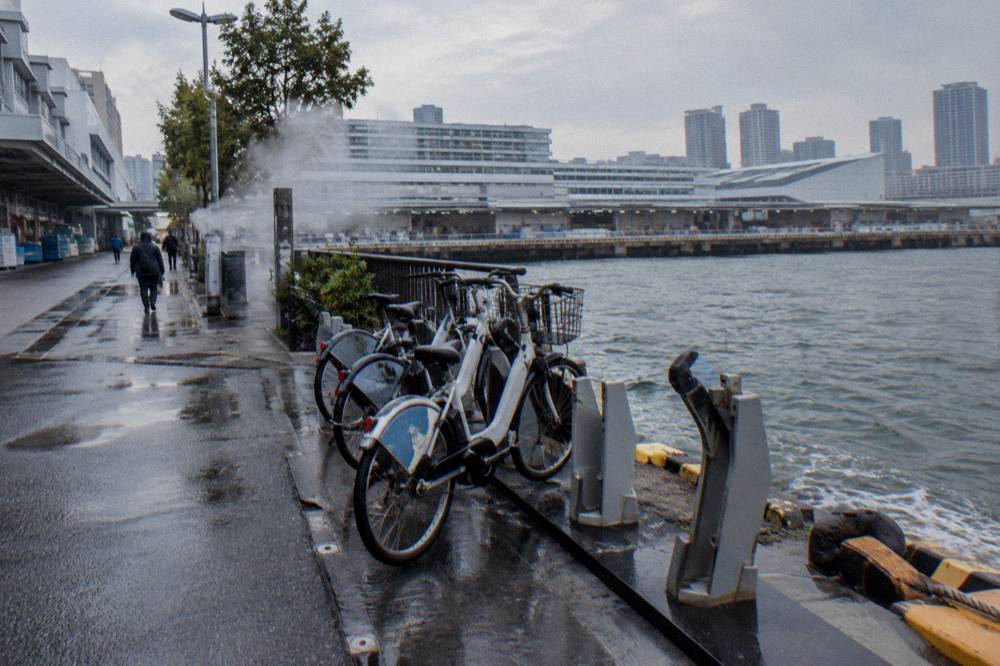
Observation decks are the second trap in reverse: many visitors assume the skyline views cost something, when in fact some of the best free views come from waterfront promenades and bridge walkways, while the famous indoor decks charge. The third trap is subtler. Riding the free paths is free, but riding them carelessly is not. Since 1 April 2026 a bicycle traffic violation notice system, the blue ticket, applies to riders aged 16 and over, including overseas visitors, with fixed fines such as 6,000 yen for running a red light and 12,000 yen for holding a phone while riding. The Tokyo Metropolitan Police explain the system in their bicycle rules page, and officers normally give guidance and a warning first, with tickets aimed at dangerous violations. Free riding stays free when it stays lawful.
Insurance is the other quiet cost. A Tokyo ordinance has required bicycle liability insurance since 1 April 2020, and the rule explicitly covers tourists from overseas. Rental businesses must insure the hirer's use and tell renters what is covered, which is one quiet advantage of guided tours over bare rentals: the coverage question is answered before you ride.
When Is It Worth Paying For A Guided Bike Tour?
A guided bike tour earns its price when the free layer is too spread out to self-navigate, when the destination sits outside central Tokyo, or when a guide's local knowledge is the point, and the Kamakura Scenic Day Ride is the clearest case at from $148.99 per person.
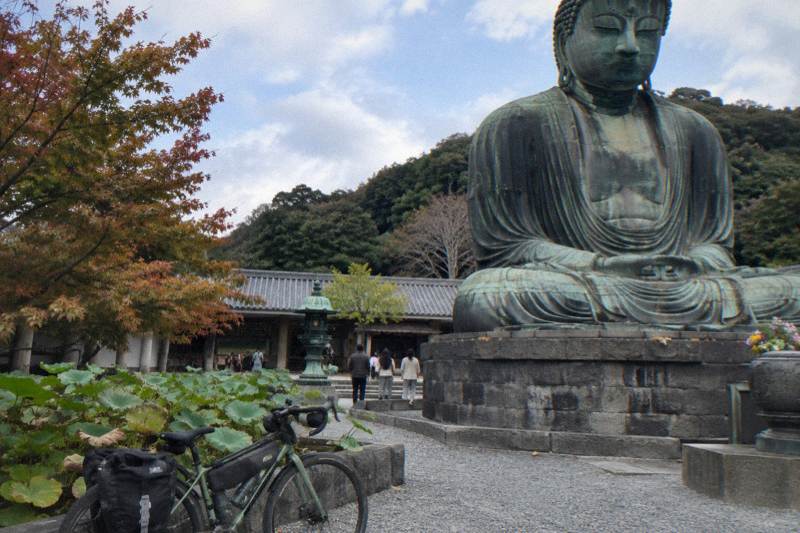
Kamakura is not a Tokyo neighbourhood; it is a coastal town with its own station, its own hills and the Great Buddha, and the Kamakura Scenic Day Ride covers it in 6 hours with a group capped at 4, rated 4.9 across 15 reviews, meeting at Kamakura Station with bike and guide included and free cancellation per the listing. Food, drinks and hotel transfers are not included.
Why pay when so much is free? Because the free list and the paid list do different jobs. The free layer is a menu of places; a guided ride is a composed route, with a local guide who can read a shrine's history, time a temple stop against the crowds and fix a flat. For a visitor with three days, two of them free and one of them guided is a defensible budget. For a visitor with one day and a wish to see the coast, the guided day buys efficiency the free layer cannot.
| Option | Cost | Duration | What you get |
|---|---|---|---|
| Palace storytelling walk | Free, tip at the end | 2 hours | English guide, Edo Castle ruins, turret, guardhouse |
| Self-guided free day | Free, plus transit | Half to full day | Gardens, parks, levees, heritage streets |
| Docomo Bike Share day pass | 1,650 yen | Until 23:59 same day | Unlimited share-bike rides, station returns |
| Kamakura Scenic Day Ride | From $148.99 per person | 6 hours | Bike, guide, group max 4, coastal route, free cancellation |
The same logic scales down. Inside Tokyo itself, shorter guided rides such as the Small-Group Long City Ride, 6 hours 30 minutes from $106.89 per person, rated 5.0 across 1,308 reviews with a group capped at 5, compress the whole free list into one led day. The comparison between group formats is laid out in the private or group bike tour guide.
How Do You Combine Free Sights Into One Day?
The workable free-day formula is one anchor garden, one river or park corridor, one heritage street and one guided interlude, arranged east to west or west to east so that no single leg exceeds a few kilometres of walking or riding.
A sample day runs like this: morning at the Imperial Palace East Garden, the free storytelling walk at 10:30 if booked, then the moat loop on foot. Midday, head east to Ueno Park or straight to Yanaka for the lane streets and a cheap lunch. Afternoon, drop down to the Sumida terraces and ride or walk the riverside line toward Asakusa's temple district as the Skytree lights come on.
Timing the free day against the calendar matters more than the itinerary itself. The JMA normals show September and October as the wettest months, and late November brings the autumn colour crowd to the same free gardens, with private forecasters putting Tokyo's maple peak around 28 November. Winter, by contrast, is dry, cold and crowd-light, with January mean temperatures of 5.4 C and only 59.7 mm of rain: free sights in January are cold sights, but they are uncrowded and often crystal clear, with Fuji visible on the horizon from bay-side paths on the best days.
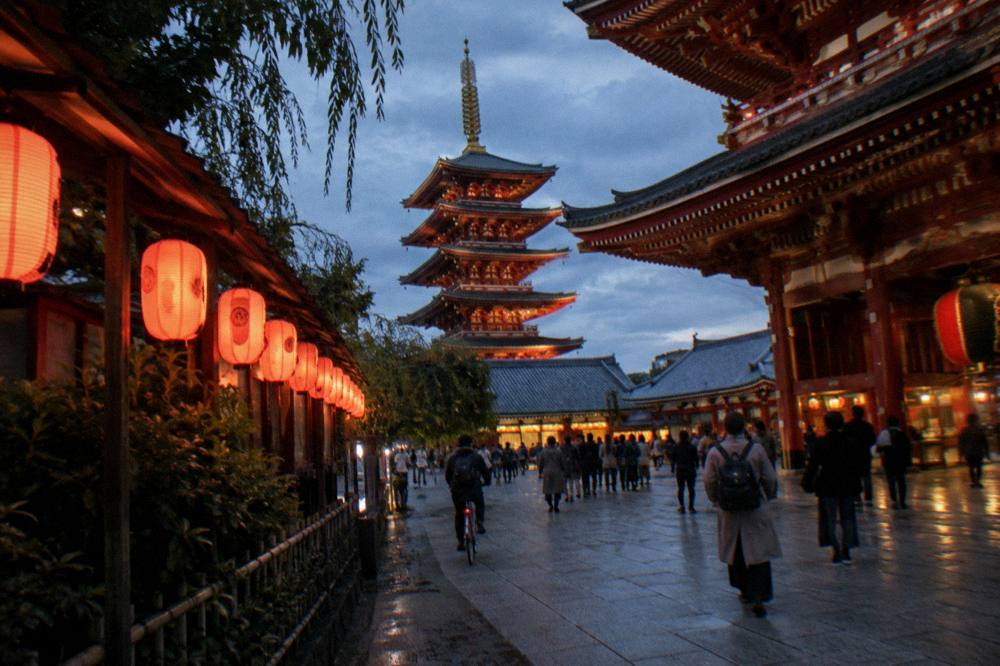
For the final flourish, this is where the paid tier fits most naturally. A free day in central Tokyo, then a guided coastal day in Kamakura, is a pairing that covers the city and its great day trip without overpaying for either. Travelers who want to stay inside the city but still ride with a guide can pair the free morning with the Small-Group Long City Ride, 6 hours 30 minutes from $106.89 per person with a group capped at 5, rated 5.0 across 1,308 reviews, meeting at Tokyo Opera City Sankun Garden, with bike and helmet included and free cancellation per the listing; food and drinks are not. Either way, the free list is the base, and the guided ride is the upgrade that makes the day hold together.
Common Questions About Free Things To Do In Tokyo
What Is Completely Free To Do In Tokyo?
The Imperial Palace East Garden, Ueno Park, Yoyogi Park, the Sumida and Arakawa riverside paths, Yanaka Ginza, the Asakusa temple streets and the Odaiba waterfront promenade are all free, with no admission or booking needed.
Is The Imperial Palace East Garden Free?
Yes, the garden on the old Edo Castle grounds is free to enter, and the roughly 5 km moat loop around the palace perimeter is a free walk or ride on ordinary days. Sunday reports also describe a car-free Palace Cycling segment with free bicycle loans, weather permitting.
Are Free Walking Tours In Tokyo Really Free?
They are free to join and tip-based at the end. The Tokyo Imperial Palace Storytelling Walk Experience on GuruWalk is rated 4.86 across 893 reviews, runs 2 hours in English, starts at 10:30 in November 2026, and covers the Edo Castle ruins, Sakurada Tatsumi Yagura and the Constable Guardhouse, with the guide paid by tip.
Is Bike Share Free In Tokyo?
No. Docomo Bike Share charges 165 yen for the first 30 minutes and 165 per further 30 minutes, with a 1,650 yen day pass available at convenience stores. Bikes must be returned to a designated station or extension fees keep running.
How Much Does A Guided Bike Tour In Tokyo Cost?
Guided rides covered here range from $46 per person for the 80-Minute Shibuya Ride to $148.99 per person for the Kamakura Scenic Day Ride, depending on length and format. The Kamakura ride runs 6 hours with a group capped at 4, rated 4.9 across 15 reviews, and the total depends on group size.
When Is The Best Free Sightseeing Season In Tokyo?
On JMA 1991 to 2020 normals, winter is the driest period and September and October the wettest, at 224.9 mm and 234.8 mm of rain. Late March adds cherry blossoms, with 2026 first bloom recorded on 19 March, and late November brings autumn colour, so the trade-off is crowds versus weather.