Can Tourists Ride Bikes In Japan?
Yes, tourists can ride bikes in Japan. Here are the rules that apply to overseas visitors in Tokyo, from blue-ticket fines to helmets and insurance, and what a guided tour covers.
Yes, tourists can ride bikes in Japan, and no license, permit or international driving credential is needed, because a bicycle is classed as a light vehicle, not a motor vehicle. Overseas visitors ride under the same traffic rules as residents, and the Tokyo Metropolitan Police state plainly that tickets for cycling offences are issued to visitors too. The practical barrier is not permission but preparation: knowing the road rules and the April 2026 fines.
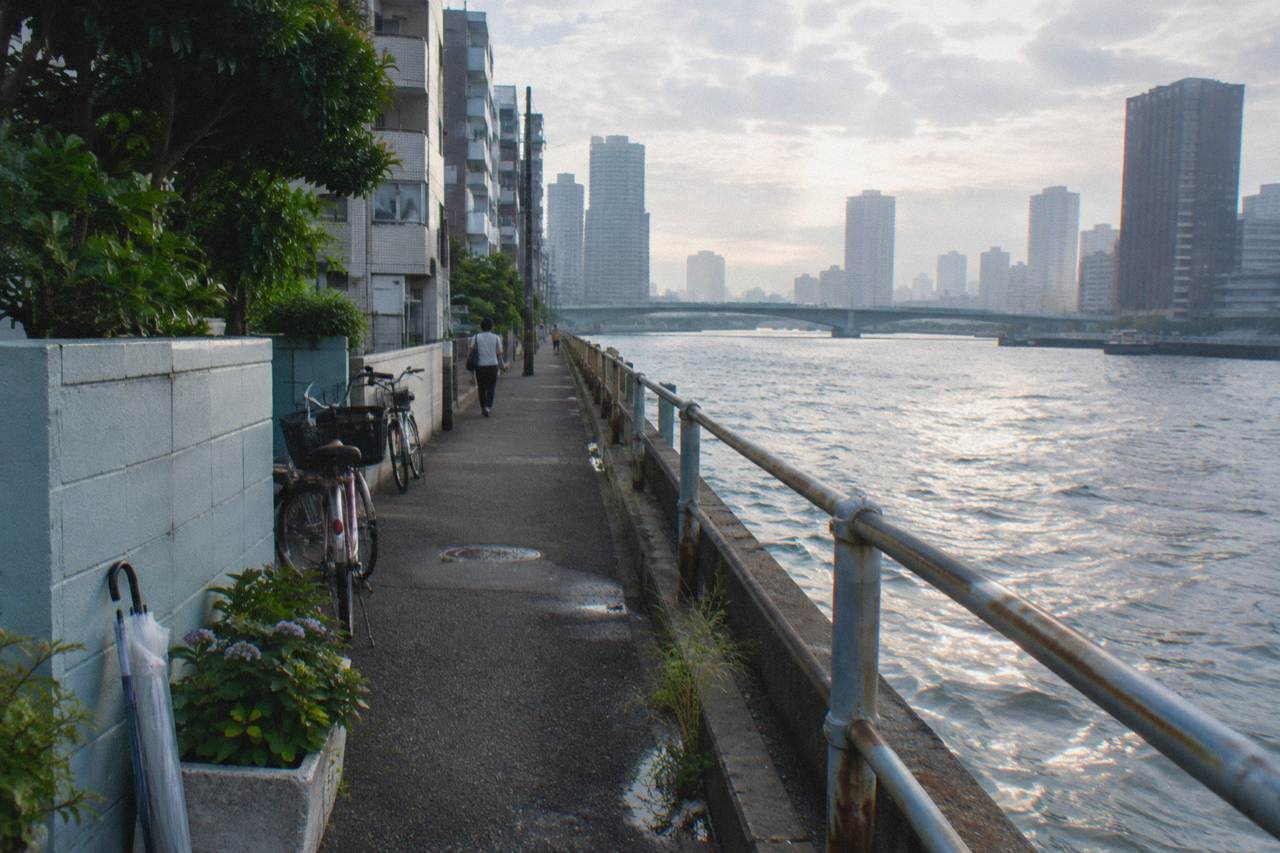
That answer surprises many first-time visitors, in both directions. Some assume Japan restricts cycling to residents, which it does not. Others assume the relaxed sightseeing rides they see along the Sumida riverbanks reflect relaxed rules, which is also untrue. Japan's cycling law is detailed and, since 1 April 2026, backed by a system of fixed fines for riders aged 16 and over. The official Tokyo tourism guidance for visitors confirms both halves: tourists are welcome on two wheels, and the rules, including mandatory liability insurance, apply to them.
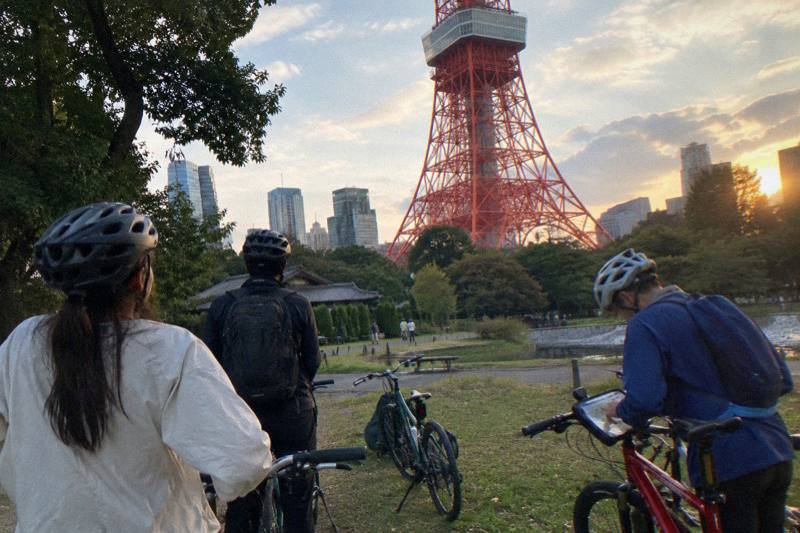
The easiest entry point is a guided ride. The 3-Hour Highlights, Bike or E-Bike tour run by TRB BIKE TOUR costs from $61.54 per person, is rated 4.9 across 980 reviews, and includes the bike and guide, with each rider choosing a pedal bike or an e-bike at the meeting point by the Statue of Commodore Perry. Helmet rental is separate at 1,000 yen, so bring cash on the day if you want one. Everything rule-related that causes visitors anxiety, the bike, the route, the road positioning, is handled by someone who rides Tokyo streets for a living.
For visitors who prefer to ride independently, the rest of this page sets out exactly what applies to you. The short version: ride on the left of the roadway, use sidewalks only where signed, carry some form of liability cover, and try to wear a helmet, since the police classify that as an effort obligation rather than a law with a fine. The long version follows, section by section, with the fine amounts the Tokyo police publish themselves.
Do Visitors Need A License Or IDP To Cycle In Japan?
No. A bicycle is legally a light vehicle in Japan, so no driving license of any kind, no International Driving Permit and no registration in your own name is required to ride one, whatever your nationality. Renting is also open: shops and bike-share services accept foreign passports and credit cards. The only age-linked rule that touches visitors is the blue-ticket regime, which applies from age 16, and that governs fines, not permission to ride.
This is worth stating firmly because the question appears constantly in travel forums, usually tangled up with rules for cars and scooters. An International Driving Permit matters if you want to drive in Japan; it has nothing to do with a mamachari, a rental road bike or a share-cycle e-assist bike. A visitor of any nationality can walk up to a rental shop or register with a share service and ride away the same hour.
“You get to see the whole city with some small walking breaks. Ken was an awesome guide and the pace was perfect for an active morning of sightseeing!”
Renting is covered in more depth on renting a bike in Japan as a foreigner, but the headline is simple. Shops rent to foreigners with a passport, and the two main share networks, Docomo Bike Share and HELLO CYCLING, both accept foreign credit cards through their apps. Docomo's Tokyo day pass, 1,650 yen bought at a convenience store and valid until 23:59 the same evening, needs an SMS-capable phone, which matters for travelers using data-only SIMs.
One detail catches visitors out: the insurance obligation. Since April 2020, Tokyo ordinance requires every cyclist in the prefecture to hold bicycle liability insurance, and the police insurance guidance spells out that this includes people just passing through. Many travel insurance policies, credit card policies and rental agreements already include a personal liability rider that satisfies the rule, and rental businesses must both insure the hire and tell the renter what is covered. Check before you ride, not after.
- City Bike Tours$32.39
- Private Tours$45.35
- Night Rides$55.06
- E-Bike Tours$61
- Day Trips By Bike$76
What Are The Basic Cycling Rules A Tourist Must Follow In Tokyo?
Tokyo's core cycling rules are: ride on the left side of the roadway, treat the bicycle as a light vehicle, use sidewalks only where a sign permits it or where you qualify for an exception, and use lights after dark. Running a red light, riding against traffic, holding a phone and riding two abreast are all now fixed-fine offences for riders 16 and over. Tourists are explicitly included in enforcement, per the Metropolitan Police's own English guidance.
The full rule set from the Tokyo Metropolitan Police is more readable than most visitors expect, and it resolves the questions that confuse people most. Sidewalk cycling is the big one. The default is the roadway, on the left. Sidewalks are legal only where a "bicycles may use sidewalk" sign is posted, for riders under 13 or over 70, for riders with disabilities, or where the roadway is genuinely unsafe, and even then you ride slowly on the roadway side and yield to pedestrians, who always have priority.
| Rule | What the police guidance says | Blue-ticket fine |
|---|---|---|
| Position on the road | Left side of the roadway is the default; the bicycle is a light vehicle | Riding against traffic: 6,000 yen |
| Traffic signals | Stop at red lights like any vehicle | Ignoring a signal: 6,000 yen |
| Phone use | Holding a phone to talk or watch its screen while riding | 12,000 yen, the highest bicycle fine |
| Riding two abreast | Prohibited except on rare signed roads | 3,000 yen |
| Carrying a passenger | One rider per bike, child seats excepted | 3,000 yen |
| Lights at night | A white or pale-yellow headlight visible from 10 m is required | 5,000 yen |
| Umbrella or earphones | Blocking surrounding sound or holding an umbrella while riding | 5,000 yen |
Guided rides absorb most of this cognitive load. On the Shibuya-Harajuku 3-Hour Ride run by COG EXPLORER JAPAN, from $57.01 per person with a group capped at six, the guide sets the pace, the road position and the crossing decisions, and the bike and helmet are included in the price. Riders report in reviews that the busy spots are handled by walking bikes across, which is exactly the right instinct at a place like the Shibuya scramble. For a visitor's first day in Japan, that guided buffer is worth real money.
Is a guided ride the right choice for you?
Every tour on this site that states a cancellation policy offers free cancellation per its listing, so a booked ride stays flexible if your plans shift.
Does The Blue Ticket System Apply To Foreign Tourists?
Yes. The traffic violation notice system that took effect across Japan on 1 April 2026 applies to all riders aged 16 and over, and the Tokyo Metropolitan Police state on their English traffic rules page that cyclists, including overseas visitors, will be issued tickets for traffic offences. In practice officers give guidance and a warning first, and tickets target malicious or dangerous violations, but the legal exposure is real.
The system is known as the blue ticket, and it works alongside the older criminal process for serious offences. Under it, a fixed fine closes the matter. Drunk cycling sits outside the blue-ticket track entirely: riding while alcohol-impaired carries up to five years imprisonment or a fine of up to 1,000,000 yen, and even riding over the breath limit without impairment carries up to three years or 500,000 yen. Those are criminal penalties that apply to anyone on Japanese soil, visitor or resident.
The numbers visitors most need to know are in the table above: 12,000 yen for hand-held phone use, 6,000 yen for signal violations and wrong-way riding, 5,000 yen for missing lights or blocked ears, 3,000 yen for two-abreast riding or carrying a passenger. None of these amounts is ruinous, but each one also means a police stop, a language barrier and a bank visit in the middle of a holiday. The realistic tourist risk is not the fine, it is the afternoon.
The practical defence is habit formation in the first ten minutes. Ride left. Stop at every signal, even the empty intersection at 7 a.m. Keep the phone in a bag or pocket. Take one earbud out, or better, both. Do those four things and the blue-ticket regime becomes irrelevant to your trip. The deeper background on the national rule changes is covered in the new bicycle rules in Japan.
Do Tourists Have To Wear Helmets When Cycling In Japan?
Helmets are an effort obligation for every cyclist in Japan regardless of age, since April 2023, which means riders should endeavour to wear one but face no fine for going bareheaded. Tokyo police data gives the recommendation weight: 63.5% of cycling deaths in Tokyo between 2021 and 2025 involved fatal head injuries, and the fatality rate without a helmet is 2.3 times higher. No visitor will be ticketed for a missing helmet.
The distinction between an effort obligation and a mandate confuses visitors who read that "helmets are mandatory in Japan," which overstates the law. The police helmet guidance asks every rider to try, and asks parents to try for their children, and stops there. Some prefectures and cities have their own stricter local nudges, but none imposes a fine on an adult tourist.
“This is a great way to see some of Tokyo city. The bikes are in great condition and Tokyo is very cycle friendly so you feel safe. Takashe was a wonderful guide and made our day a fun and memorable one. Highly recommend this tour.”
What actually decides the helmet question on the ground is rental logistics. Most guided tours on this site include a helmet in the price: the 6-Hour Full City Ride from $97.17 per person, the 4-Hour Downtown Backstreets Ride from $77.74 per person, and the Hidden Gems E-Bike, 3-4 Hours from $62.19 per person all list a helmet as included. A few operators rent helmets as an add-on instead, TRB BIKE TOUR's highlights rides charge 1,000 yen in cash on the day, so read the inclusions line before assuming. More of these guides are collected on Tokyo Bike Tours.
Where Are The Best Places For Tourists To Ride In Tokyo?
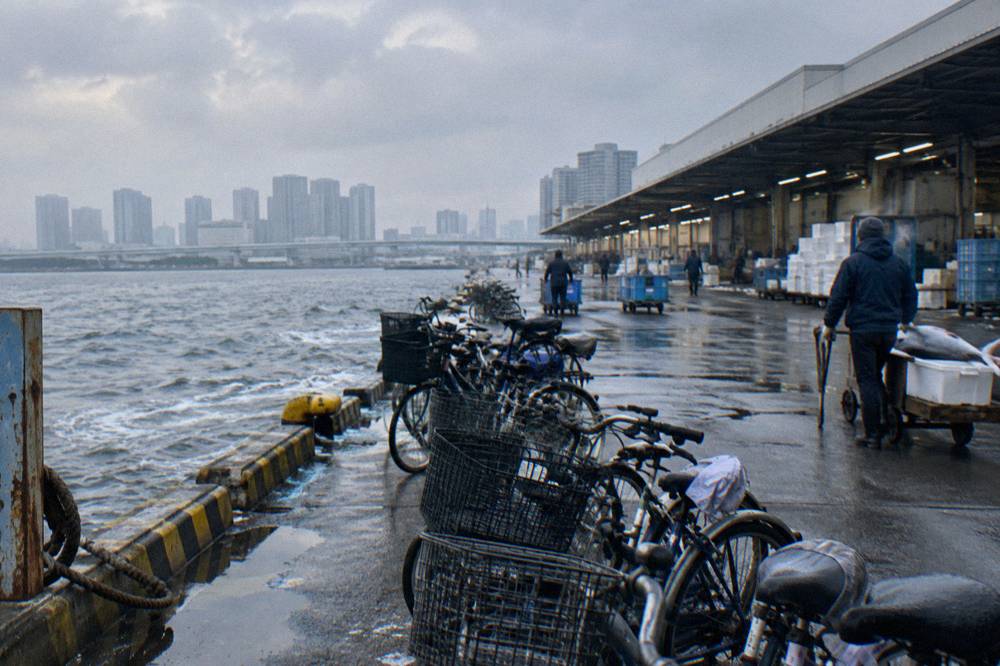
Tokyo's most visitor-friendly riding is on riverside paths and car-free park segments rather than arterial roads. Route guides describe a scenic stretch of the Arakawa Cycling Road running roughly 30 km from Ukima Park downstream to Kasai Rinkai Park on Tokyo Bay, the Imperial Palace opens a roughly 3 km car-free moat-side course on Sundays, and Yoyogi Park's main cycling course is bicycle-dedicated from 9:00 to 17:00.
The Sunday Palace Cycling arrangement is the single best free riding window in central Tokyo: a car-free segment along the palace moat, open 10:00 to 16:00, with free bicycle loans reported at around 70 bikes, lending from 10:00 to 15:30. It closes for rain, judged on the Friday forecast, and for events, so treat it as a bonus rather than a plan. The rest of the week, the roughly 5 km perimeter loop around the palace is rideable on ordinary roads.
For structure, a guided backstreets ride is hard to beat. The 4-Hour Downtown Backstreets Ride from Tokyo Backstreets Bike Tour, from $77.74 per person with a maximum of six riders, is built exactly around the quiet-lane Tokyo that first-time visitors cannot find alone. Route guides describe Yanaka, with its temple slopes and Yanaka Ginza shopping street, as the classic calm district, and the Asakusa riverbank linking toward the Sumida as the classic scenic one. Tour routes lean on these because they work. Backstreet districts like Yanaka ride quietly year-round, which is why so many operators build their routes there.
Independent riders should build a route around water and parks and use the roadway rules confidently in between. The bayfront at Odaiba, the Sumida paths near Asakusa, and the long Arakawa levees all keep you away from buses and taxis. If you want the full route breakdowns, Tokyo cycling routes and cycling along the Arakawa cover them in detail.
“We always try to join a bike tour when we travel cities. This was by far the best one yet! The route chosen was truly a backstreet, off the beaten path route. The tour guide was so friendly, and informative. He truly made the tour amazing and memorable.”
Should A Tourist Book A Guided Bike Tour Or Ride Alone?
A guided tour suits a first visit, a short stay or any rider nervous about left-side traffic, because the guide supplies the bike, the route, the road-positioning decisions and the local knowledge, and every guided option on this site includes the bicycle in the price. Riding alone suits confident cyclists on loose schedules, and costs less for long days, but leaves the rules, the insurance check and the parking problem entirely with you.
If you'd rather ride solo, the guide to renting a bike in Japan as a foreigner explains exactly what ID, apps and insurance a rental shop will ask for.
The economics are closer than visitors expect. An independent day built on Docomo Bike Share costs 1,650 yen for the day pass, plus the hassle of returning bikes to ports rather than shop fronts. A guided three-hour ride costs from $51.82 per person at the cheapest end on this site, the 2.5-Hour Central Short Ride from Tokyo Backstreets Bike Tour, rated 5.0 across 25 reviews, up to $106.89 for the six-and-a-half-hour Small-Group Long City Ride from Bicycle Tours Tokyo, rated 5.0 across 1,308 reviews. You are paying a guide to remove every decision but one: showing up.
| Option | Typical cost | What is handled for you | What is left to you |
|---|---|---|---|
| Guided small-group ride | From $57.01 to $106.89 per person on this site | Bike, route, road decisions, guide commentary; helmet on most rides | Food and drink, getting to the meeting point |
| Private e-bike ride | From $54 per person on this private e-bike tour | Everything above, plus a route pitched to your interests | Food, gratuities where listed |
| Independent rental | Bike share day pass 1,650 yen, official Docomo price | The bike only | Route, rules, insurance check, parking, return deadlines |
Private rides close the gap for families and riders with specific wishes. The Private E-Bike From Your Hotel tour run by Tokyo Bike Bliss, from $156.77 per person with the total depending on group size, starts at your accommodation, includes bike, helmet and guide, and is rated 5.0 across 171 reviews. At the budget end the Private Highlights E-Bike from Trip Port starts from $54 per person, rated 4.4 across 47 reviews, with the same group-size caveat. Both keep the itinerary yours.
Riding alone rewards preparation. Read the rules section above once, check your travel insurance for a liability rider, and plan a water-and-park route rather than a shopping-street one. The middle path also exists: book one guided ride for your first morning to learn the rhythm of Tokyo traffic, then ride independently for the rest of the week with the guide's habits installed.
How Much Does Cycling Cost For A Visitor In Tokyo?
A guided ride on this site runs from $46 per person for an 80-minute Shibuya loop to $156.77 per person for a private hotel-start e-bike tour, with most three-hour group rides clustering between $57 and $64. Riding independently, the Docomo Bike Share day pass costs a flat 1,650 yen and single rides cost 165 yen per 30 minutes, official Tokyo prices. Helmets, food and drinks are extra on most tours.
The cheapest structured option on this site is the 80-Minute Shibuya Ride from JAPANKART at from $46 per person, a short loop with a group capped at five; it has five reviews, too few a pool for a star rating to mean much. Both include the bike; the hidden-gems ride includes the helmet as well, with a group capped at six.
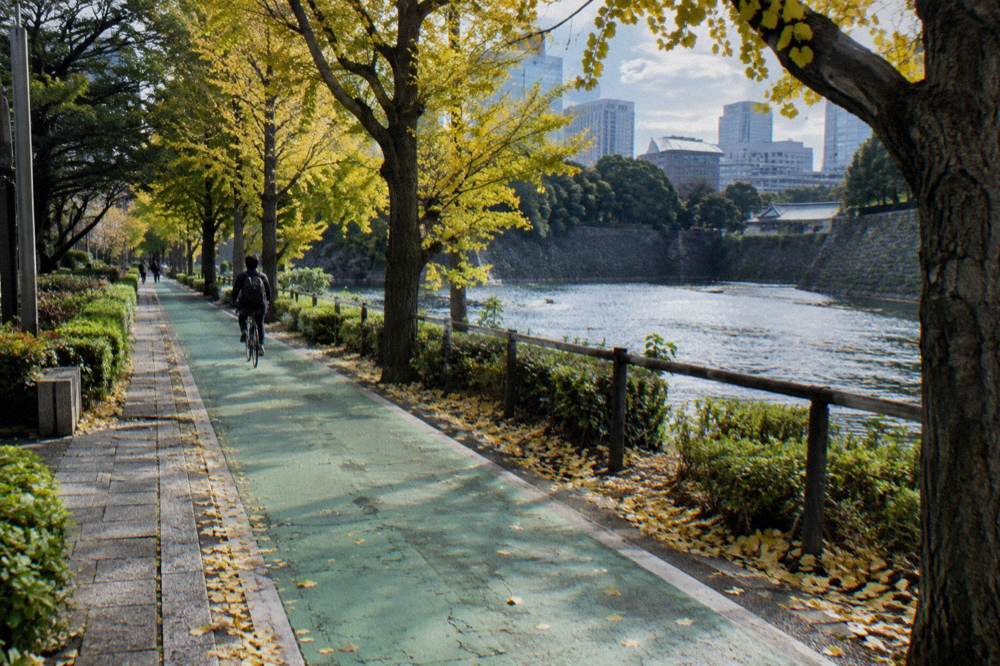
Note the two tours that read almost identically and are not. TRB BIKE TOUR runs both a highlights ride from $61.54 per person and a Hidden Gems Ride from $63 per person, the latter rated 4.6 across 114 reviews. Both carry free cancellation, as does every tour listed on this page. The listing details, not the price, are what separate them, so read the cancellation and inclusion lines before choosing.
For independent riders, the arithmetic favors share bikes for short bursts and gets worse for long days: a single Docomo ride is 165 yen for the first 30 minutes and 165 for each further 30 minutes, while the 1,650 yen day pass is unlimited until 23:59. HELLO CYCLING prices vary by ward and bike type and load in the app, so check there before committing. One trap nobody warns visitors about: parking. Leaving a share bike outside a port runs extension fees, and abandoned private bikes are removed by ward offices, with Minato City charging a 2,000 yen impound fee to get one back.
When Is The Best Season For A Tourist To Ride In Tokyo?
The most comfortable cycling months in Tokyo are March to May and October to November, using Japan Meteorological Agency 1991 to 2020 normals for the Tokyo station: spring sits at mean temperatures of 9.4 to 18.8 degrees C and autumn at 12.5 to 18.0, while August peaks at a mean of 26.9 with daily maxima of 31.3. September and October are the wettest months, near 224.9 to 234.8 mm of rain each.
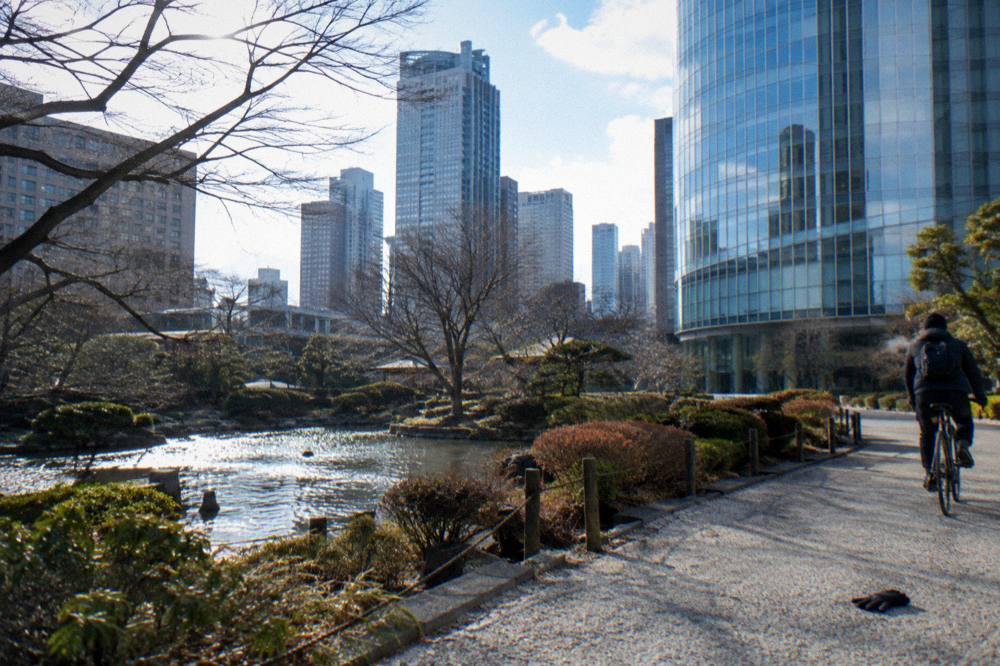
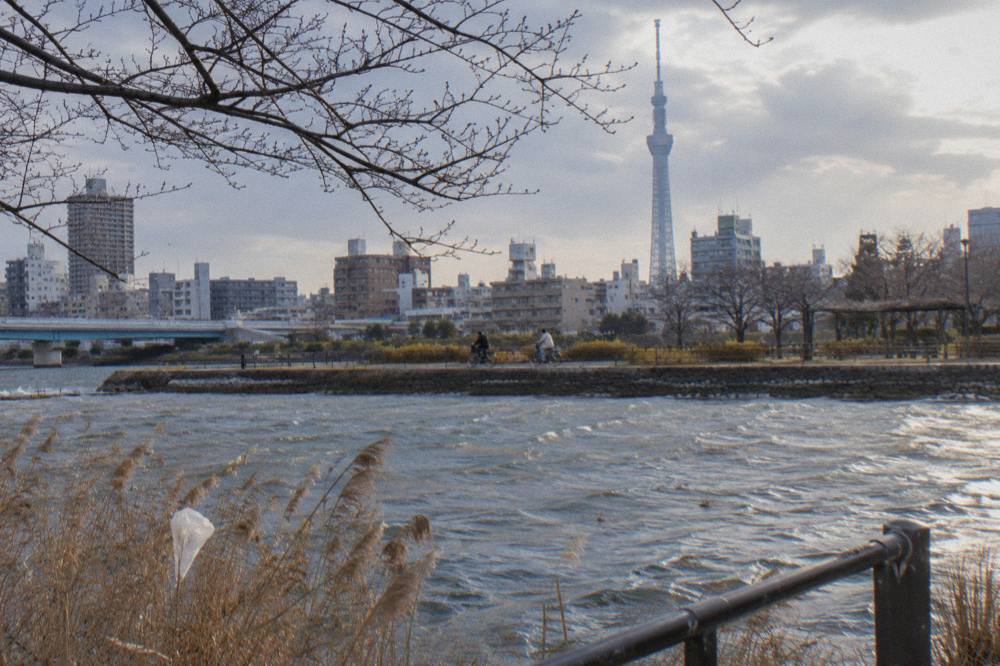
March adds the blossom draw. Full bloom in Tokyo averaged 31 March over the 1991 to 2020 period, and arrived on 28 March in 2026, so a late-March visit catches the riverbanks at their best, though with the thickest crowds of the year on them. June and July bring the rainy season and then serious heat; riders out in August should treat early morning as the only sane window. Winter is drier than most visitors expect, December through February averaging under 60 mm of rain each month, and cold rather than hostile, with January mean daily minima of 1.2 degrees C.
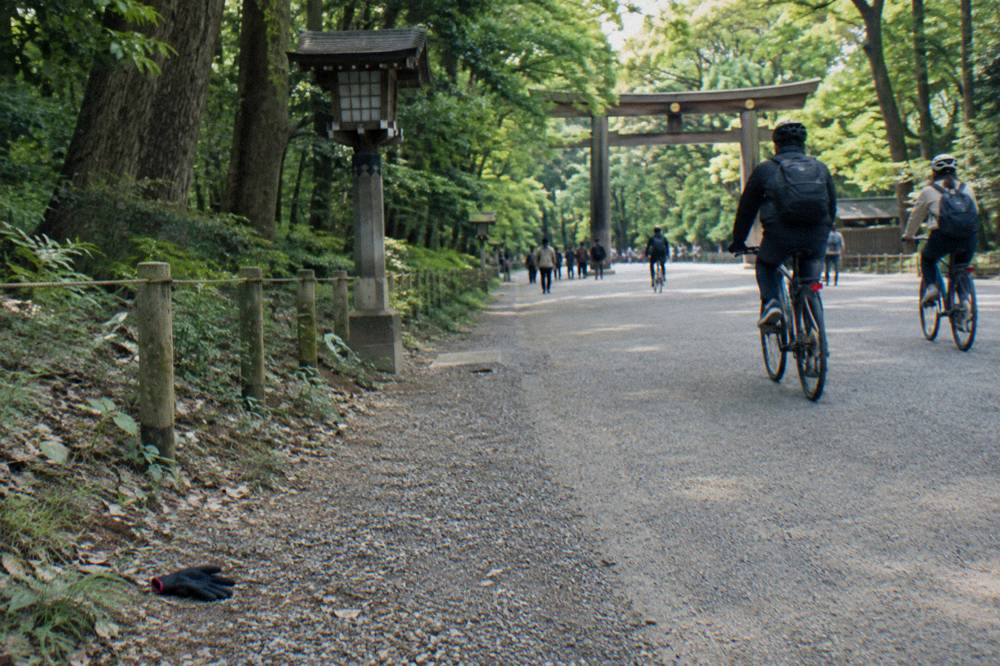
For tour bookings this matters less than you would think, since most operators run year-round and the free-cancellation policies on nearly every listing here let you shift days if rain arrives. The scheduling decision that actually matters is seasonal: book the blossom window early, and treat a July or August booking as an early-morning or night-ride proposition. A night option such as the 2-Hour Night Lights Ride from COG EXPLORER JAPAN, from $55.06 per person and rated 5.0 across 31 reviews, moves the whole experience into the coolest and most photogenic hours of a summer day.
Common Questions About Tourists Riding Bikes In Japan
Can Tourists Ride Bikes In Japan?
Yes. No license, permit or International Driving Permit is needed, since bicycles are light vehicles. Overseas visitors ride under the same rules as residents, and the Tokyo police confirm that cycling tickets apply to tourists.
Do Tourists Need A Special License To Cycle In Tokyo?
No. A bicycle is a light vehicle, not a motor vehicle, so no license of any kind applies. Renting with a foreign passport and credit card is routine at shops and share services.
Can Foreigners Use Tokyo Bike Share?
Yes. Docomo Bike Share and HELLO CYCLING both accept foreign credit cards through their apps. Docomo's day pass costs 1,650 yen from a convenience store and needs an SMS-capable phone.
Are Helmets Mandatory For Tourists On Bikes In Japan?
No. Helmet wearing is an effort obligation for every age since April 2023, which means no fine. Tokyo police data shows head injuries in 63.5% of cycling deaths from 2021 to 2025, so wearing one is strongly advised, and most guided tours include one.
Can Tourists Be Fined For Cycling Offences In Japan?
Yes. The blue-ticket system applies from age 16, and the Tokyo Metropolitan Police's English guidance states tickets are issued to visitors. Fines run from 3,000 yen for riding two abreast to 12,000 yen for hand-held phone use.
Is Insurance Required For Tourists Cycling In Tokyo?
Yes, under Tokyo ordinance since April 2020. Many travel, credit card and rental policies already include a qualifying personal liability rider, and rental businesses must insure hirers and explain the coverage.