Bike Tours In Japan Beyond Tokyo: Where Guided Rides Run
Most guided bike tours in Japan that visitors can actually book from one base cluster around Tokyo and its day-trip ring: Kamakura, the Akiruno hills, and the lakes around Mount Fuji and Hakone. Here is what each ride costs, how long it runs, and what the law expects of you on the road.
Short answer
This site covers guided rides from Tokyo and its surroundings: 38 tours across city, e-bike, night, private and day-trip categories. Day trips run from $76 to $148.99 per person, from a 2.5-hour Lake Tama loop to a 10-hour private Lake Ashi tour; each starts at the point named on its listing, except Lake Yamanaka and Lake Ashi, which collect from a Tokyo 23-wards hotel.
Japan has thousands of kilometres of rideable road, but a visitor booking a guided bike tour in November 2026 faces a practical question: which of those roads can you actually reach on a tour you can book today? The honest answer is that most bookable guided rides sit in one orbit. Tokyo itself, then a ring of day trips: Kamakura to the south, the Akiruno hills to the west, Lake Tama inside the prefecture, and the Fuji-view lakes of Yamanaka and Ashi reached by hotel pickup. This site covers Tokyo and exactly that ring, and the tours below are the ones that end at a booking page rather than a brochure.
That focus is deliberate. Kyoto, Osaka and the Shimanami Kaido all appear in general "cycling in Japan" searches, but describing them here would send you to rides this site does not sell and cannot verify. Instead, every figure in this guide comes from the tour pages on this site and from official Japanese sources, and the comparison stays inside the ground a visitor based in Tokyo can cover in a day.
Which Guided Bike Tours In Japan Does This Site Cover?
The site carries 38 tours in five categories: 13 city rides, 9 e-bike tours, 5 night rides, 5 private tours and 6 day trips, every one bookable with a live calendar. Day trips span $76 to $148.99 per person. Six of them start outside central Tokyo, at the exact point named on each booking page, so the meeting logistics matter as much as the price.
The city categories are covered elsewhere on this site in depth, in pages like the general Tokyo cycling tour guide and the Tokyo e-bike tour comparison. What this page does is the wider geography: the rides that leave the 23 wards, or in one case leave your hotel lobby with a driver. A "day trip" here means a tour whose ride area sits outside central Tokyo, even when the pickup is inside it. The Lake Yamanaka Loop, for instance, collects you at your Tokyo hotel at 07:30 and the cycling happens at the lake, not in the city.
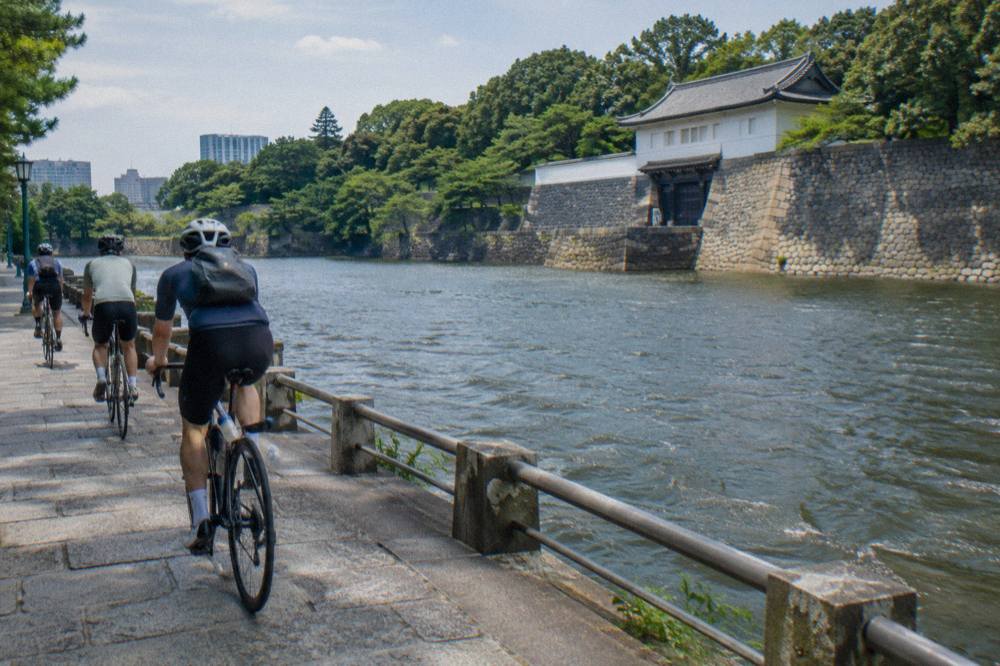
Six rides make up the day-trip set. The Kamakura Scenic Day Ride and the Private Kamakura Buddha E-Bike both start in Kamakura itself. Crystal Clear River Cycling starts in Akiruno, in western Tokyo Prefecture. The Lake Tama Ride, Matcha Break starts in Higashiyamato. The Lake Yamanaka Loop and the Private Lake Ashi tour are hotel-pickup trips from Tokyo whose riding happens at the lakes. Getting any of these wrong, arriving in central Tokyo for a ride that starts two prefectures away, is the single most common planning mistake, so the table below fixes the start points side by side. Once you have the start point sorted, the guide to Japan's most famous bike rides covers the riverside and coastal routes that draw the most attention, including several you can join from Tokyo.
| Tour | Ride area | Start point | Duration | Group max |
|---|---|---|---|---|
| Kamakura Scenic Day Ride | Kamakura | Kamakura Station | 6 hours | 4 |
| Private Kamakura Buddha E-Bike | Kamakura | Kamakura | 6 hours | Private |
| Crystal Clear River Cycling | Akiruno | Tokyo Urayama Base | 6 hours | 6 |
| Lake Tama Ride, Matcha Break | Higashiyamato | Higashiyamato | About 2.5 hours | 4 |
| Lake Yamanaka Loop, Fuji Views | Lake Yamanaka | Tokyo hotel pickup, 07:30 | Full day, 2 to 3 hour loop | Not stated |
| Private Lake Ashi, 10 Hours | Lake Ashi, Hakone | Tokyo hotel pickup, 08:00 | 10 hours | 6 |
What Can You Ride From Tokyo On A Day Trip?
Five ride areas sit within a day of Tokyo: Kamakura's temple hills, Akiruno's river valley, the Lake Tama shoreline, Lake Yamanaka under Mount Fuji and Lake Ashi in Hakone. Prices run from $76 to $148.99 per person, durations from about 2.5 hours to 10, and every tour includes the bike. All six include a guide; helmets are listed on the Lake Yamanaka and Lake Ashi trips.
The cheapest way out of the city on a guided ride is the Lake Tama Ride, Matcha Break, from $76 per person, a new listing with no reviews yet, about 2.5 hours, rider's choice of e-bike or regular bike, group max 4, with a matcha break built into the route. Because it is a new listing, there is no rating to report; what the listing does state is the start in Higashiyamato, in Tokyo Prefecture but well west of the 23 wards, and free cancellation. If you would rather keep the whole day free of charge, the guide to free things to do in Tokyo pairs no-cost sights with bike routes that stretch a free afternoon into something bigger.
At the other end of the scale, the Private Lake Ashi, 10 Hours is exactly what its name says: pickup at your Tokyo hotel at 08:00, return around 18:00, a private e-bike ride around Lake Ashi in Hakone, from $139 per person with the total depending on group size. The Lake Yamanaka Loop, Fuji Views takes the same hotel-pickup format, from $126 per person, full day with a 2 to 3 hour loop at the lake and a rider's choice between e-bike and regular bike. Both are new listings, so plan around what the listing states rather than a review history.
Between those poles sit the two Kamakura tours and the Akiruno river ride, each with enough reviews or stated detail to compare properly. The sections below take them one at a time, because they answer different questions: temples and coast, river and forest, or lakes and volcano views.
For readers whose real question is whether to leave the city at all, it helps to know what a strong in-city alternative looks like. The Hidden Gems E-Bike, 3-4 Hours from Japan Wonder Travel, from $62.19 per person, rated 4.9 across 895 reviews with a group max of 6, is the most-reviewed e-bike ride on this site and a reasonable benchmark: if a day trip costs far more and takes ten hours, it should deliver something a backstreets loop cannot.
Is Kamakura Worth The Trip For A Guided Bike Tour?
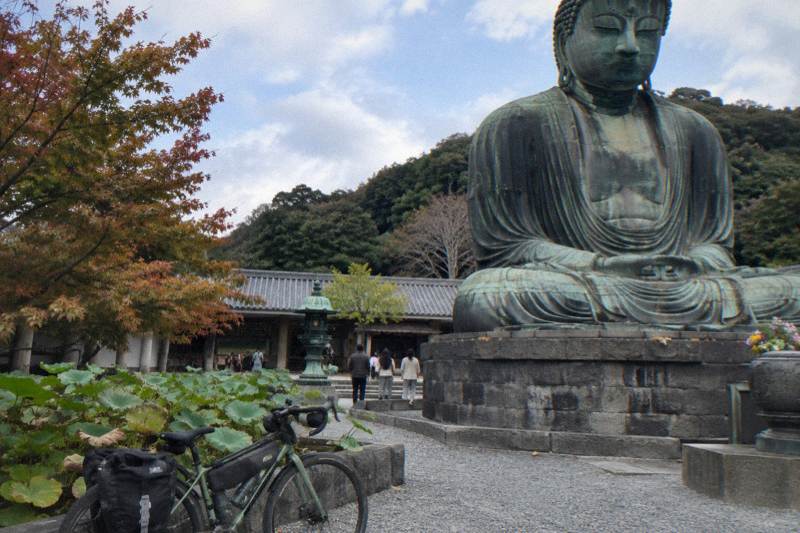
Yes, for most riders: Kamakura is the one day-trip destination on this site with a proven guided ride, the Kamakura Scenic Day Ride, rated 4.9 across 15 reviews, from $148.99 per person, six hours, group max 4, bike and guide included, starting at Kamakura Station. A private e-bike alternative covers the Great Buddha and bamboo groves from $99 per person.
Kamakura earns its place on cyclist itineraries for a simple structural reason: its main sights, the Great Buddha, the Hase temple quarter, the bamboo path at Hokoku-ji and the shoreline, sit spread across a compact basin that punishes walking and rewards a bike. The Kamakura Scenic Day Ride from Trip Designer Inc. leans into exactly that spread: six hours, from $148.99 per person with the total depending on group size, a regular non-electric bike included, guide included, and a cap of 4 riders. It starts at Kamakura Station, roughly an hour from Tokyo by train, which the tour does not include: hotel pickup is listed as available for an extra fee, and food and public transport are not included. Free cancellation applies per the listing.
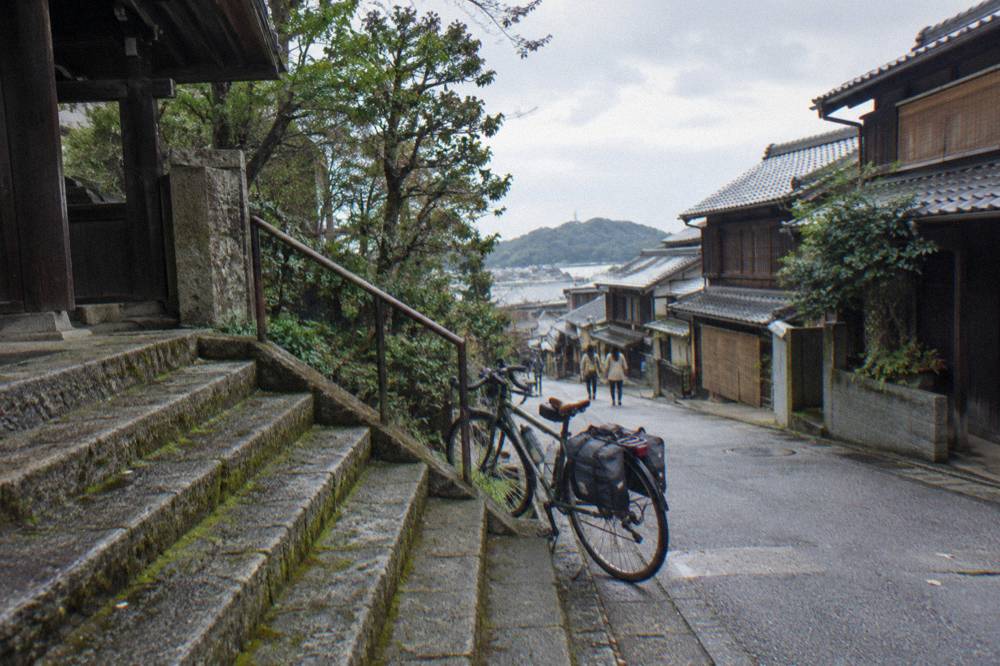
The private alternative takes a different shape. Kuchiake runs the Private Kamakura Buddha E-Bike, a six-hour day trip past the Great Buddha, bamboo groves and quieter corners. It carries a 5.0 rating and costs from $99 per person regardless of group size. It holds a 5 rating across 3 reviews and comes with free cancellation. It carries 3 reviews, too few for a star claim, but the listing is explicit about the format: e-bike included, guide included, private tour, lunch and gratuities not included, free cancellation per the listing.
A reader comparing the two should think about legs and confidence rather than price alone. A regular bike over six hours of Kamakura's rolling streets is a real workout; an e-bike flattens it. If that comparison matters to you, the broader question of e-bike or regular bikes in Tokyo, which applies equally at Kamakura's latitude, has its own breakdown on this site.
Where Do The River And Lake Day Trips From Tokyo Go?
Three rides leave the city entirely: Crystal Clear River Cycling in Akiruno from $142.52 per person, the Lake Yamanaka Loop with hotel pickup at 07:30 from $126, and the Private Lake Ashi tour with pickup at 08:00 from $139. The Lake Tama Ride, from $76, stays inside Tokyo Prefecture but rides the lake shore, not the streets.
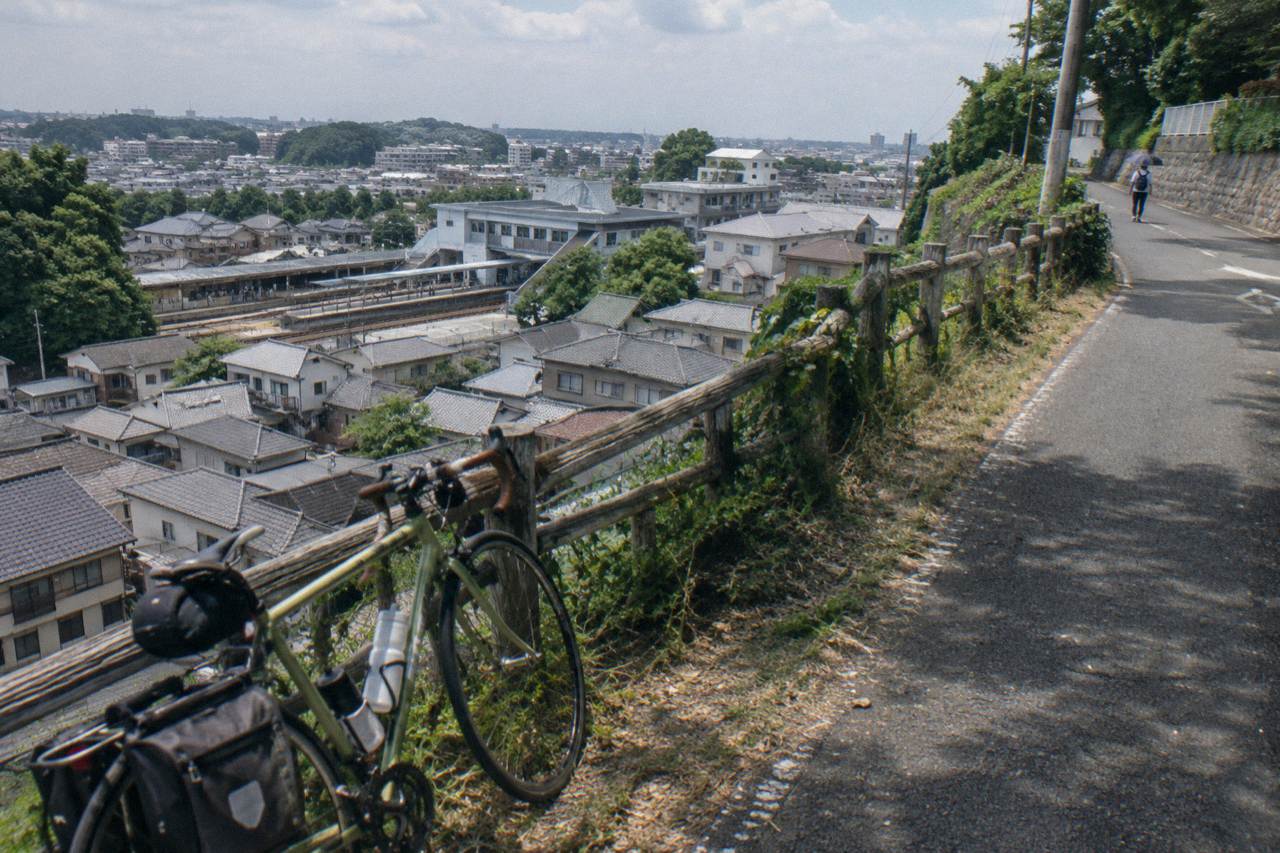
Akiruno is the surprise in the set. Western Tokyo Prefecture is mountain country, and Crystal Clear River Cycling, from $142.52 per person, six hours, group max 6, regular bike and guide included, rides a river valley of the kind most visitors assume requires a trip to the Japanese Alps. The ride starts at the Tokyo Urayama Base in Akiruno, not in central Tokyo, so the journey out is part of the day. It carries 7 reviews, too few for a star claim; the listing's stated facts, the six-hour duration, the included bike and guide, and free cancellation, are the reliable part. And if you wonder what locals ride day to day instead of booking a tour, the guide to the mamachari and the street rules that come with it shows how Japan's everyday bicycle compares with bike share and guided rides.
The Lake Tama Ride, Matcha Break is the gentlest option and the easiest to fit around a city day: about 2.5 hours, from $76 per person, group max 4, bike and guide included, with the rider choosing between e-bike and regular bike, and a matcha break the listing describes as part of the experience. As a new listing it has no reviews yet. Start point is Higashiyamato, on the Seibu Haijima line's orbit, and the site's guide to bike rental in Tokyo covers the self-guided alternative if you would rather ride the lake independently.
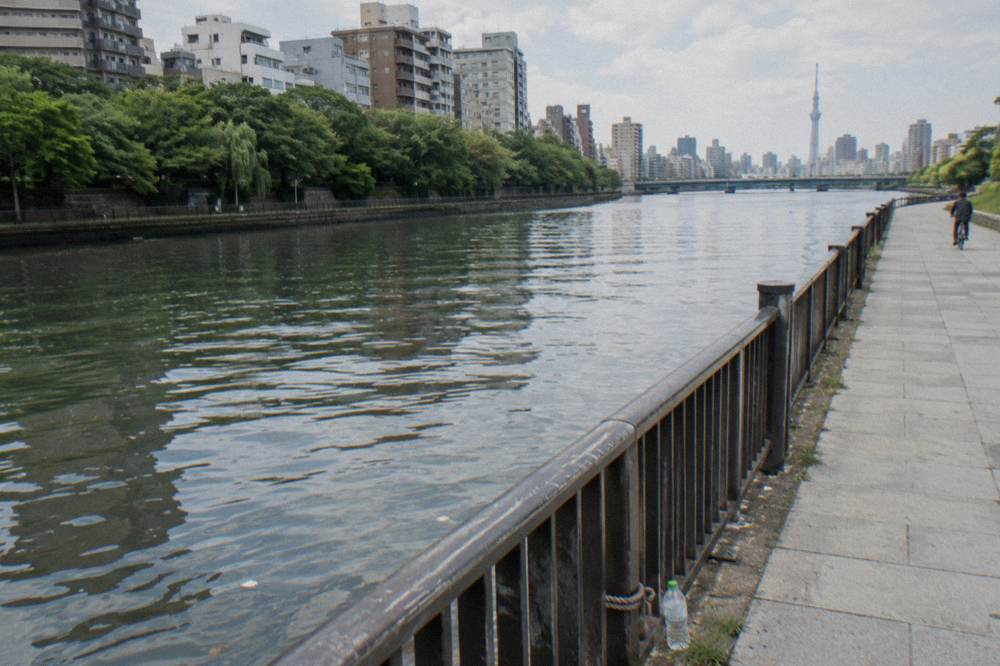
The two Fuji-region trips share a format: hotel pickup in Tokyo, a driven transfer, then riding at the lake. The Lake Yamanaka Loop, Fuji Views collects at 07:30 and returns in the early evening, from $126 per person, with a 2 to 3 hour loop at the lake, rider's choice of bike type, and helmet, guide and pickup all included. The Private Lake Ashi, 10 Hours runs 08:00 to about 18:00, from $139 per person as a private tour with the total depending on group size, group max 6, e-bike throughout. Both are new listings with no reviews, so the fixed facts, the pickup windows, durations and inclusions, are the whole decision basis until reviews accumulate.
For trip planning around weather and seasons at the lakes, the site's guide to the best time to cycle in Tokyo applies to the whole Kanto ring: the same JMA normals govern Kamakura and the Fuji lakes as govern the city.
What Do Bike Tours In Japan Cost Compared With Tokyo City Rides?
Day trips run $76 to $148.99 per person against $32.39 to $106.89 for city tours. The premium buys distance and scenery, not hours: the 6-hour Kamakura ride costs $148.99 while a 6.5-hour small-group city ride costs $106.89, and the cheapest day trip, the Lake Tama countryside ride at $76, lasts about 2.5 hours. The real price driver is privacy, not geography.
The comparison below uses only figures stated on each tour's page, on the basis each page prints. Where a listing says the total depends on group size, the table says so too, because multiplying or dividing a per-person from-price produces a number nobody quoted. The full index of guides sits on Tokyo Bike Tours.
| Tour | Area | Duration | Price per person | Reviews |
|---|---|---|---|---|
| Kamakura Scenic Day Ride | Kamakura | 6 hours | From $148.99, total depends on group size | 4.9 from 15 |
| Private Kamakura Buddha E-Bike | Kamakura | 6 hours | From $99, total depends on group size | 3 reviews |
| Crystal Clear River Cycling | Akiruno | 6 hours | From $142.52 | 7 reviews |
| Lake Tama Ride, Matcha Break | Higashiyamato | About 2.5 hours | From $76 | New listing |
| Lake Yamanaka Loop, Fuji Views | Lake Yamanaka | Full day, 2 to 3 hour loop | From $126 | New listing |
| Private Lake Ashi, 10 Hours | Lake Ashi | 10 hours | From $139, total depends on group size | New listing |
| Small-Group Long City Ride | Tokyo | 6.5 hours | From $106.89 | 5.0 from 1,308 |
| 3-Hour Highlights, Bike or E-Bike | Tokyo | 3 hours | From $61.54 | 4.9 from 980 |
Read the price pattern honestly. The 6-hour Kamakura ride and the 6.5-hour Small-Group Long City Ride in the city differ substantially for nearly identical durations, and the city ride carries 1,308 reviews at 5.0. What the extra money buys at Kamakura is the destination and a group capped at 4 rather than 5. Meanwhile the e-bike city options cluster tightly in the $61 to $64 band: the 3-Hour Highlights, Bike or E-Bike at $61.54 with 980 reviews, the Hidden Gems E-Bike at $62.19 with 895, the Local Life E-Bike at $63.48 with 753. That tight band is useful as a sanity check: if a Tokyo e-bike tour costs far more than $64 without being private, ask what the premium covers.
One cost the table cannot show is what the tours exclude. Kamakura excludes food, drink and public transport. The Private Lake Ashi and Lake Yamanaka trips include hotel pickup, which is why their prices look reasonable against six-hour rides that begin at a station you must reach yourself. Rental costs for independent riders are a separate question, covered in the blog post on how much it costs to rent a bike in Japan.
Which Cycling Rules Apply Everywhere In Japan?
Three rules follow you onto every ride in the country: ride on the left of the roadway by default, carry liability insurance in Tokyo, and know that since 1 April 2026 riders aged 16 and over can face fixed fines for violations such as phone use, with the highest bicycle fine at 12,000 yen for holding a phone while riding. Helmets use is an effort obligation for all ages, with no fine.
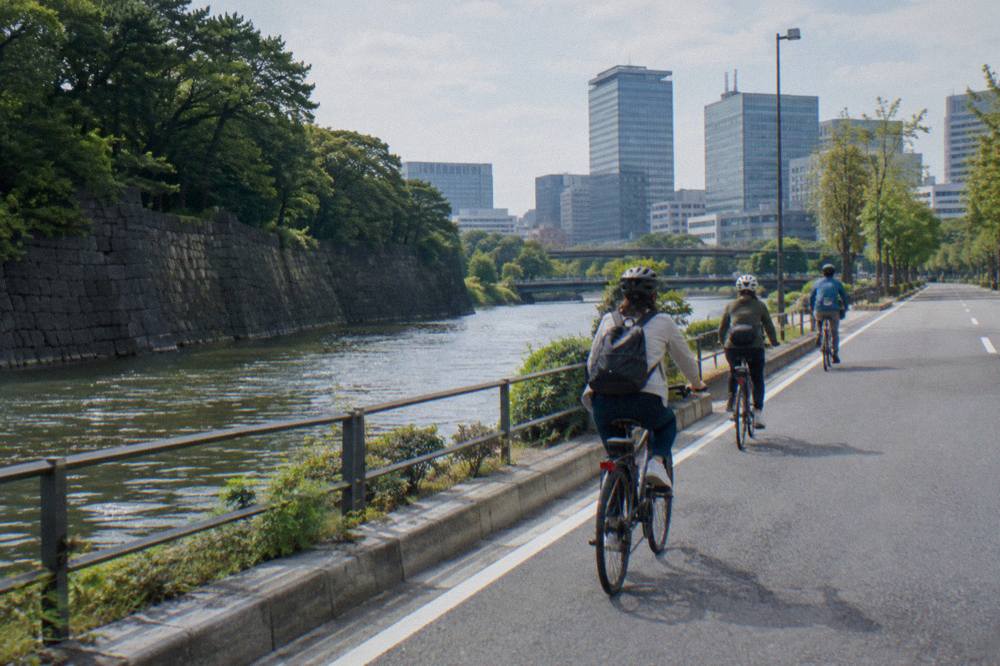
These rules apply to visitors exactly as to residents. The Tokyo Metropolitan Police states plainly that cyclists will be issued with tickets for traffic offences, and the official GO TOKYO visitors' guide to bicycles confirms the same applies to tourists from overseas. On a guided tour the guide carries most of this load, calling stops and line order, but the fine lands on the rider, not the operator.
| Rule | What it means | Fine or penalty |
|---|---|---|
| Holding a phone to talk or watch | Highest bicycle fine | 12,000 yen |
| Running a red light, riding against traffic | Signal and direction violations | 6,000 yen |
| No light at night, umbrella or earphones in both ears | Visibility and attention | 5,000 yen |
| Riding two abreast, carrying a passenger | Position and load | 3,000 yen |
| Drunk cycling | Criminal matter, not a blue ticket | Up to 5 years or 1,000,000 yen |
The blue-ticket system that came into force on 1 April 2026 targets riders aged 16 and over, and officers normally give guidance and a warning first; tickets are for malicious or dangerous violations. Insurance is the quiet one: a Tokyo ordinance has required cyclists to hold liability cover since 1 April 2020, and rental businesses must insure the hirer's use and tell renters what is covered, so a tour bike arrives insured. Helmets, contrary to a common traveller rumour, are an effort obligation for every age since April 2023, with no fine attached, though the police note that fatality rates in Tokyo cycling deaths run far higher without one. The details sit on the official pages, and the site's own summary of Japan cycling rules for tourists walks through them for visitors.
When Is The Best Season For A Japan Bike Tour Near Tokyo?
The driest and mildest riding months around Tokyo are November through March by rainfall, with November at 96.3 mm and December at 57.9 mm against October's 234.8 mm peak, per JMA 1991 to 2020 normals for the Tokyo station. The heat peak is August at a 26.9 C mean, and the cherry blossom window runs late March, first bloom around 24 March on the 30-year normal.
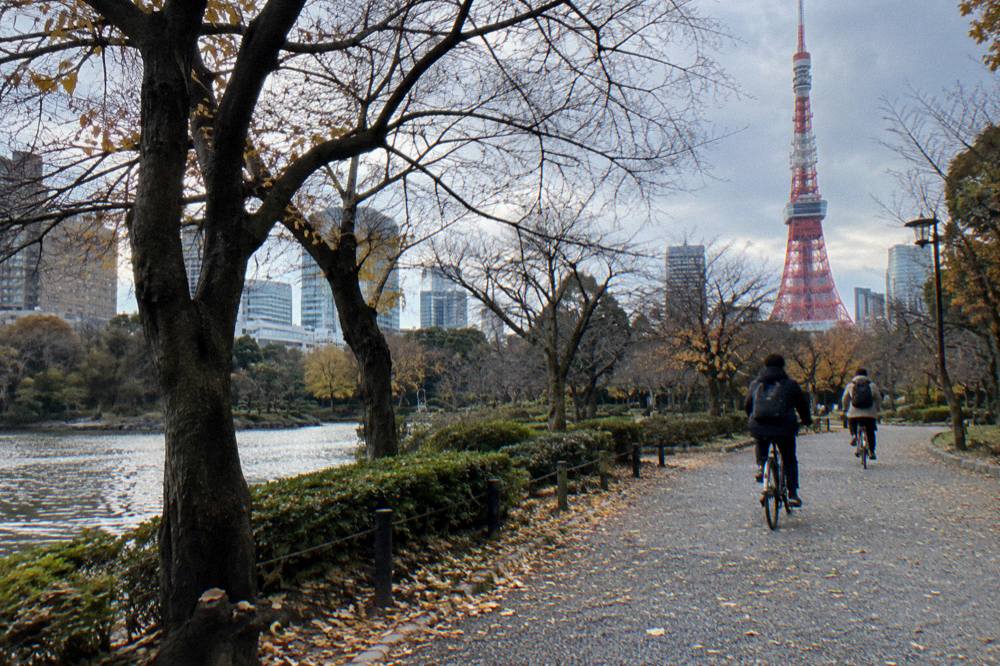
The rainfall numbers surprise people. The Tokyo region's wettest months are not the June rainy season but September and October, 224.9 mm and 234.8 mm respectively, which matters for a day trip booked weeks ahead. Autumn colour in central Tokyo peaks late November to early December, which pairs neatly with the dry spell: a Kamakura or lake ride in late November gets both the colour and the lowest rain odds.
| Month | Rainfall mm | Mean temp C | Mean daily max C |
|---|---|---|---|
| January | 59.7 | 5.4 | 9.8 |
| March | 116.0 | 9.4 | 14.2 |
| April | 133.7 | 14.3 | 19.4 |
| July | 156.2 | 25.7 | 29.9 |
| August | 154.7 | 26.9 | 31.3 |
| October | 234.8 | 18.0 | 22.0 |
| November | 96.3 | 12.5 | 16.7 |
In 2026 the JMA recorded Tokyo's first cherry bloom on 19 March, five days earlier than the 24 March normal, and full bloom on 28 March; a blossom-season ride is a moving target best booked with cancellation flexibility, which every day trip on this site offers per its listing. Summer deserves a caution: August's mean daily maximum of 31.3 C, with humidity, makes the 10-hour Lake Ashi format a serious undertaking, while the 2.5-hour Lake Tama loop stays manageable. Riders weighing the trade-offs month by month will find the full breakdown in the best time to cycle guide, and the site's Tokyo cycling in rain page covers the practicalities of the September to October wet season.
Solo Guided Or Small Group: Which Suits A First Ride In Japan?
First-time riders in Japan generally suit a small-group tour with a cap of 6 or fewer, which every day trip on this site offers except the group-max-15 Olympic Sites Bay Ride, or a private tour if the budget allows. Private e-bike options in the city start at $45.35 per person, and the day-trip privates run from $99 to $146 per person.
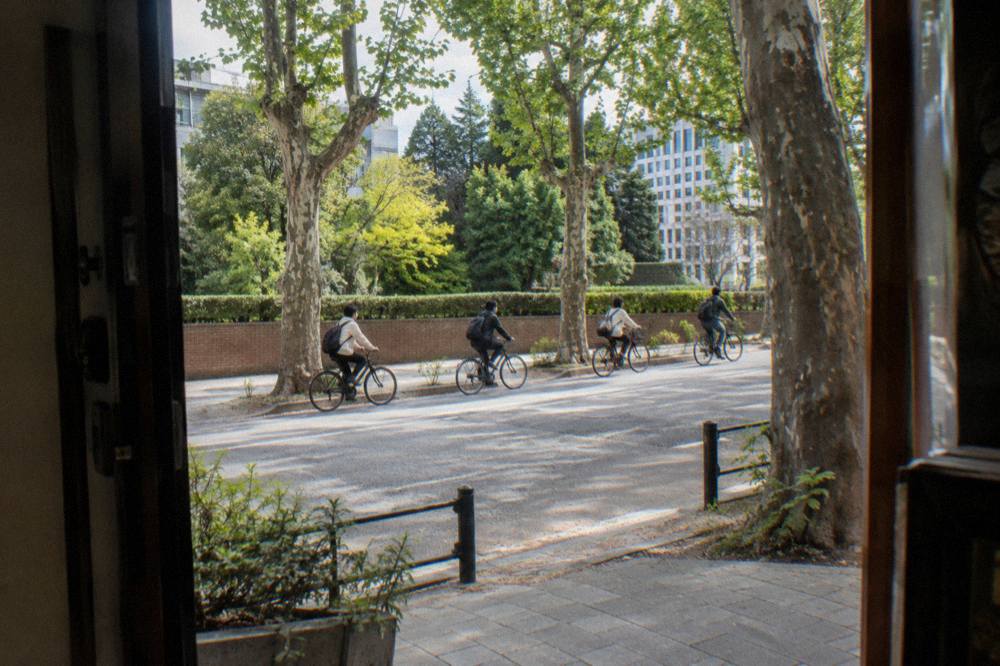
The reason is left-side traffic. Japan drives and rides on the left, and the first hour on a Japanese road involves unlearning instincts, which is exactly when a guide calling the line and a small group to shadow helps most. The Kamakura Scenic Day Ride's cap of 4 and the Lake Tama Ride's cap of 4 are the tightest in the day-trip set; the Akiruno ride caps at 6. E-bikes reduce the physical load of that attention tax, which is one reason the e-bike day trips outnumber regular-bike ones.
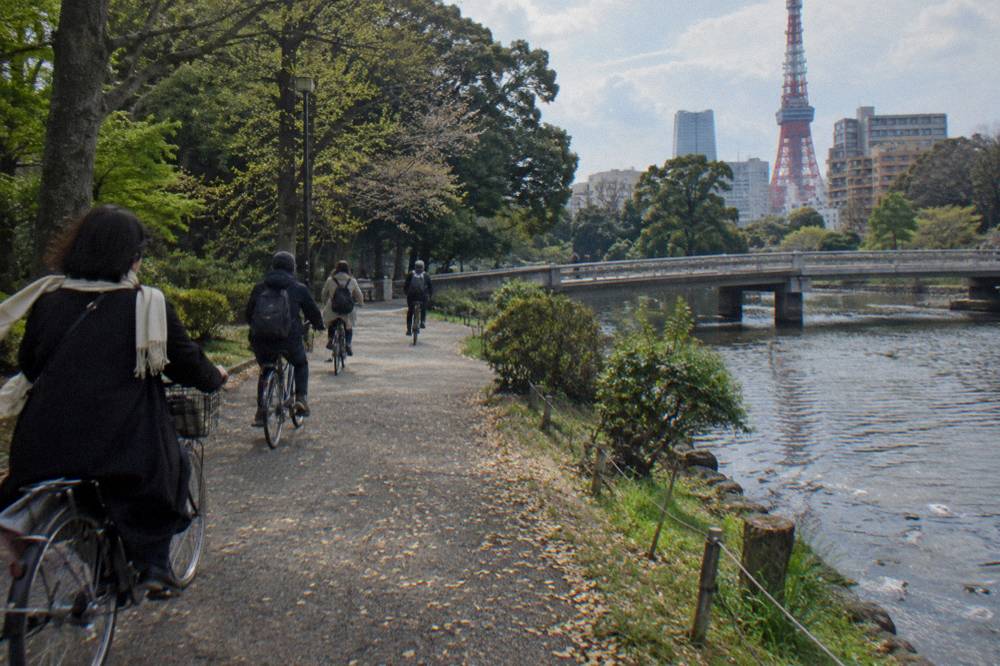
Private tours trade price for control. In the city, the Private E-Bike From Your Hotel from Tokyo Bike Bliss, from $156.77 per person with the total depending on group size, rated 5.0 across 171 reviews, is the strongest reviewed private option on this site, and it starts at your hotel, removing the meeting-point question entirely. The budget private end runs from $45.35 for a 2-hour Trip Port Cycling ride rated 4.6 across just 7 reviews. The fuller comparison lives in the private or group bike tour in Tokyo guide, and the question of whether a guided tour pays off at all is weighed in the blog post on whether a Tokyo bike tour is worth it.
How Do You Choose Between The Day Trips?
Pick Kamakura for temples and coast with a proven tour, Akiruno for river and forest, Lake Tama for a short gentle half-day, Lake Yamanaka for Mount Fuji views on a fixed schedule, and Lake Ashi for a full private Hakone day. Price should be the last filter: the tours sit between $76 and $148.99 per person, and start-point logistics will shape the day more than the difference of a few dollars.
Work from your dates backward. The Kamakura Scenic Day Ride and Akiruno ride suit an early train and a full day. The Lake Tama Ride fits a morning with an afternoon plan in the city. The two lake tours with hotel pickup are the lowest-effort options on paper, since the 07:30 or 08:00 pickup removes navigation entirely, but they are also new listings without reviews, so a reader wanting a proven experience should weight the 4.9-from-15 Kamakura ride or, staying in the city, the 5.0-from-1,308 Small-Group Long City Ride.
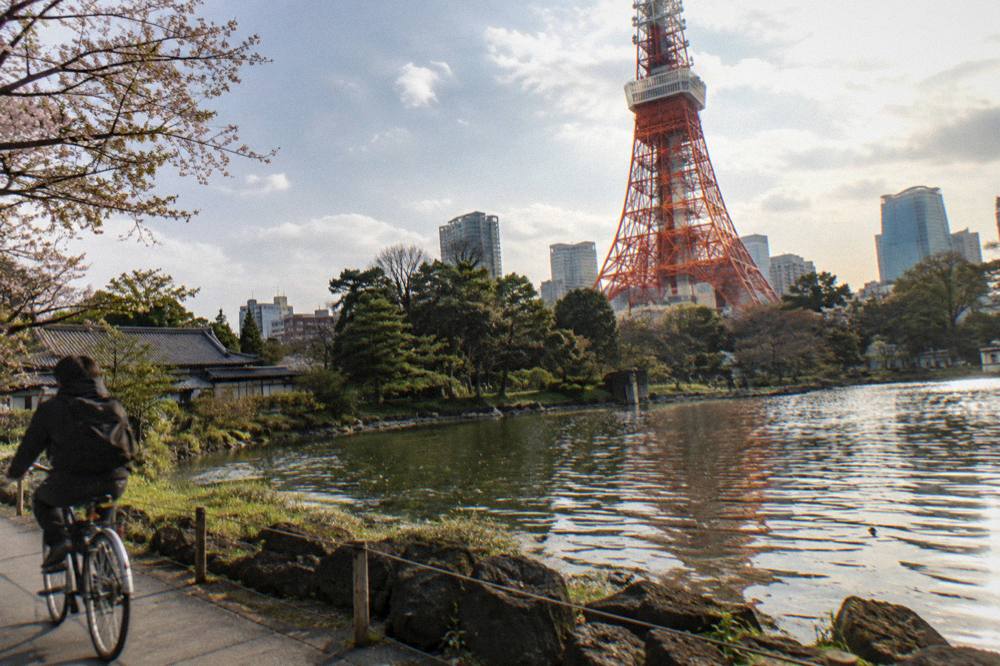
Whichever you choose, book the version whose start point matches your plan: a Kamakura start means a train from Tokyo, the Akiruno start means a longer one, and the lake pickups mean a hotel the van can reach. Every one of the 38 tours states free cancellation on its listing, so the practical sequence is to lock the date that fits, confirm the meeting detail, and adjust if the plan shifts.
Common Questions About Bike Tours In Japan
Are There Guided Bike Tours In Japan Outside Tokyo?
Yes. The tours bookable through this site run in Tokyo, Kamakura, Akiruno and the lake areas of Yamanaka and Ashi, all reached as day trips, six of them starting outside the central wards. This site covers that Tokyo orbit rather than other regions such as Kyoto, Osaka or the Shimanami Kaido.
How Much Do Bike Tours In Japan Cost?
Day trips from Tokyo run from $76 to $148.99 per person on the stated basis of each listing, and city tours run from $32.39 to $106.89. Private tours quote a per-person from-price whose total depends on group size, so the booking page shows the real figure for your party.
Do I Need A License Or Insurance For A Bike Tour In Japan?
No license is needed for a regular bicycle or an e-bike. A Tokyo ordinance has required cyclists to carry liability insurance since 1 April 2020, and rental businesses must insure the hirer's use and explain the cover, so a tour bike arrives insured.
Are Helmets Required On Bike Tours In Japan?
Helmets are an effort obligation for every age since April 2023, meaning riders should wear one, with no fine attached. Most tours on this site include a helmet, though a few listings, such as the 3-Hour Highlights, Bike or E-Bike ride, list helmet rental as a paid extra of 1000 yen in cash.
Can Tourists Join Bike Tours In Japan's New Traffic Rules?
Yes. Since 1 April 2026 a fixed-fine system applies to cyclists aged 16 and over, including visitors, with officers normally giving guidance and a warning first and tickets reserved for dangerous violations. On a guided tour the guide manages road positioning, but the rules apply to the rider.
Which Day Trip From Tokyo Is Best For A Short Ride?
The Lake Tama Ride, Matcha Break is the shortest at about 2.5 hours, from $76 per person, with a group cap of 4 and a choice of e-bike or regular bike. It is a new listing without reviews, so plan on the stated facts rather than a rating history.