Are Fixed Gear Bikes Illegal In Japan?
Fixed gear bikes are not named in any verified Japanese traffic rule, but brakes are the real issue: a bike with a defective or missing brake draws a 5,000 yen fine under Tokyo's 2026 blue ticket system.
No verified Japanese law or Tokyo police rule names fixed gear bikes as an illegal category, so the bike type itself is not banned. What the rules require is a working brake on every bicycle, and riding with a defective or missing brake carries a 5,000 yen fine under the blue ticket system in force since 1 April 2026. A brakeless fixed gear sits on the wrong side of that rule.
That distinction matters, and it is worth slowing down on, because a lot of online discussion treats "are fixies illegal in Japan" as a yes or no question when the actual rulebook is written differently. Japanese road law regulates equipment and behaviour, not bike subcultures. No law bans fixed gears by name, but the equipment rule requires brakes on both wheels, front and rear, able to stop the bike within 3 m from 10 km/h on dry flat pavement. A front brake alone does not meet the rule as written, and the rule does not say whether a fixed drivetrain counts as a rear brake. A stripped-down track bike with no brake and a rider slowing by skidding does not, and the police page on the amended rules states plainly what that costs. The Tokyo Metropolitan Police notice on the 2026 violation system sets out the fine list, and the brake entry is the one that matters here.
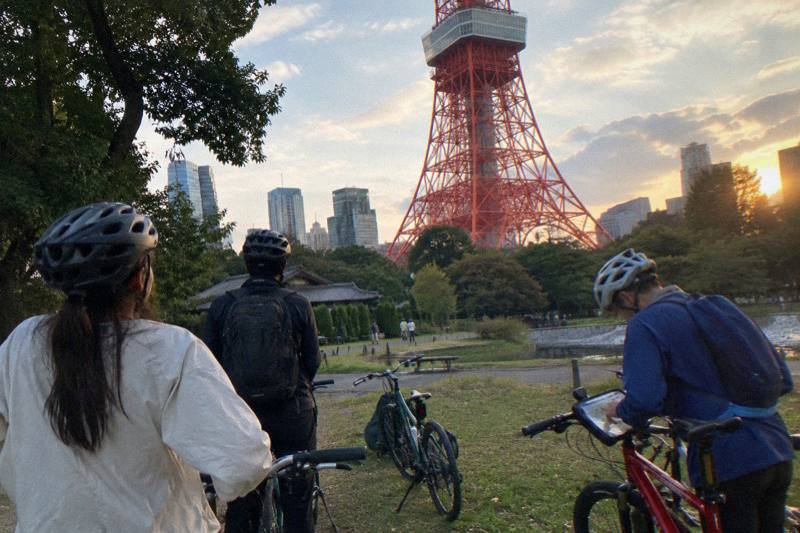
Riders who want to see how Tokyo cycling actually works in practice tend to do it on ordinary city bikes with a guide rather than on specialty machines. The Small-Group Long City Ride from Bicycle Tours Tokyo uses regular non-electric bikes, caps the group at five, includes bike and helmet, and runs from $106.89 per person, rated 5.0 across 1,308 reviews. It is a good picture of what a legal, everyday Tokyo bicycle looks like.
For a visitor, the practical takeaway is simple: nobody is going to stop you for riding a fixed gear in Tokyo, but anybody riding any bike without a working brake is exposed to a fine, and the enforcement regime tightened considerably in 2026. This article walks through what the rules actually say, how the new fine system works, what bikes rental shops and tour operators put visitors on, and what to think about if you want to bring your own machine.
“It’s a great day covering a lot of Tokyo, such a fun way to explore. Experiencing places that aren’t on the normal tourist maps.”
What Do Tokyo Bicycle Rules Actually Say About Brakes?
**The Tokyo Metropolitan Police rulebook requires every bicycle to have functioning brakes, and it prices the failure: a defective or missing brake is a 5,000 yen blue ticket fine for riders aged 16 and over. The same rulebook says nothing about fixed gear drivetrains, so the equipment question turns entirely on whether the bike stops properly. The rule never names fixed gears, but it does require brakes on both the front and rear wheels. Whether a fixed drivetrain counts as a rear brake is left unsaid.
The police bicycle rules page covers the whole duty set: ride on the left of the roadway by default, use sidewalks only where signed or where age and conditions permit, run a light at night, and keep the bike in safe working order. Brakes sit inside that last duty. The page does not distinguish between calliper brakes, drum brakes, coaster brakes, or any other type, and it does not mention fixed drivetrains at all. Legally, what matters is coverage on both wheels: the rule requires brakes acting on the front and the rear, able to stop the bike within three metres from ten km/h on dry, flat pavement. A rear coaster brake reaches the rear wheel only, so it counts only when the front wheel has a brake of its own.
“You get to see the whole city with some small walking breaks. Ken was an awesome guide and the pace was perfect for an active morning of sightseeing!”
That silence is exactly why a careful answer avoids declaring fixed gears legal or illegal outright. Track bikes built for the velodrome ship without brakes because velodromes do not need them, and some riders overseas remove brakes from fixed gear bikes for aesthetic reasons. On a public road in Tokyo, that modification collides with the brake requirement. Fixed gears are not banned by name, but the equipment rule still applies: the bicycle must have working brakes on both the front and rear wheels, and it must stop within 3 m from 10 km/h on dry, flat pavement. A front brake alone falls short. Skid-stopping is not a brake, and a missing or defective brake draws a 5,000 yen fine. Resisting the pedals to slow down, the technique fixie riders call skidding, is not a brake in any sense the rulebook recognizes, and the police page prices the omission.
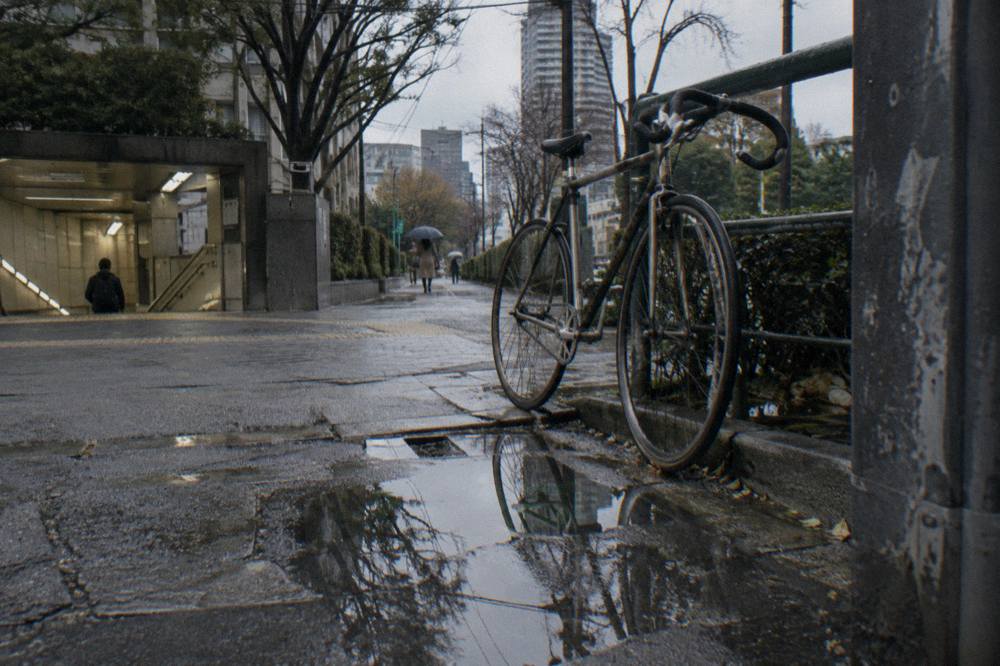
Other blue tickets stack: riding hands off the handlebars draws 6,000 yen. The police notice states that operating a bike in an unsafe manner, hands off the handlebars or otherwise, draws a 6,000 yen fine, and that hand-held phone use is the most expensive blue ticket at 12,000 yen. Equipment and behaviour rules stack, so a rider on a brakeless bike who also runs a red light faces two separate entries. For anyone weighing whether to ride a fixie in Tokyo as they would at home, the safest reading is: fit a brake, or ride something else.
Thinking about a guided ride instead of bringing your own bike?
Free cancellation applies to every tour covered here, so you can reserve a bike and guide before your trip and adjust later.
How Do The 2026 Blue Ticket Fines Work For Riders?
From 1 April 2026 a national traffic violation notice system, widely called the blue ticket, applies to bicycle riders aged 16 and over, including overseas visitors. Officers normally start with guidance and a warning, and tickets target dangerous or malicious conduct. Fines run from 3,000 to 12,000 yen depending on the violation, and the system applies to tourists on rental bikes just as it does to residents.
The Tokyo police English page is unusually direct on the visitor point, stating that cyclists will be issued tickets for traffic offences, and the official GO TOKYO visitor guide repeats that the rules apply to tourists from overseas. A rider on a holiday rental is not exempt by nationality or by the short length of their stay. What the system does offer is proportionality: the police guidance describes a sequence in which a first interaction is usually verbal, and fines follow for conduct that risks an accident or repeats after a warning.
The fine table gives a sense of where enforcement attention sits. Every figure below comes from the verified police rulebook text.
| Violation | Fine (yen) |
|---|---|
| Using a hand-held phone to talk or watch the screen while riding | 12,000 |
| Ignoring a traffic signal | 6,000 |
| Riding against traffic or on the wrong side | 6,000 |
| Entering a rail crossing as the barriers close | 7,000 |
| No light at night | 5,000 |
| Defective or missing brake | 5,000 |
| Umbrella or earphones blocking surrounding sound | 5,000 |
| Riding two abreast | 3,000 |
| Carrying a second rider | 3,000 |
Two things stand out for a fixed gear rider. First, the brake fine sits in the middle band, cheaper than a red light but treated the same as riding lightless at night, which tells you the rulebook sees it as a serious equipment failure rather than paperwork. Second, drunk cycling is not part of this table at all: the police page lists it as a criminal matter with penalties up to five years imprisonment or a one million yen fine, a different regime entirely.
- City Bike Tours$32.39
- Private Tours$45.35
- Night Rides$55.06
- E-Bike Tours$61
- Day Trips By Bike$76
The practical reading for visitors: the fines are modest, the first response is usually a warning, and none of it targets bike type. The blue ticket system is interested in how you ride and whether the bike stops, not in whether your rear hub freewheels.
What Bikes Do Rental Shops And Tours In Tokyo Use?
Almost every bike a visitor can rent or ride on a guided tour in Tokyo is a regular non-electric city bike or an e-bike with full brakes, and none of the major tour options use fixed gear machines. Behaviour fines stack on top: riding unsafely, hands off the handlebars for example, draws a 6,000 yen blue ticket, not a criminal penalty. A fixie hunter will come home empty-handed.
This is where the question stops being theoretical. A traveller curious about fixed gear culture in Tokyo will not encounter it through the mainstream rental or tour market, because operators have every commercial reason to put guests on bikes that satisfy the equipment rules without a second thought. The Small-Group Long City Ride, mentioned earlier, uses regular bikes with helmets included. The 6-Hour Full City Ride covers the city in six hours on a regular bike, from $97.17 per person, rated 4.9 across 842 reviews, with a group cap of twelve. The wider set of guides lives on Tokyo Bike Tours.
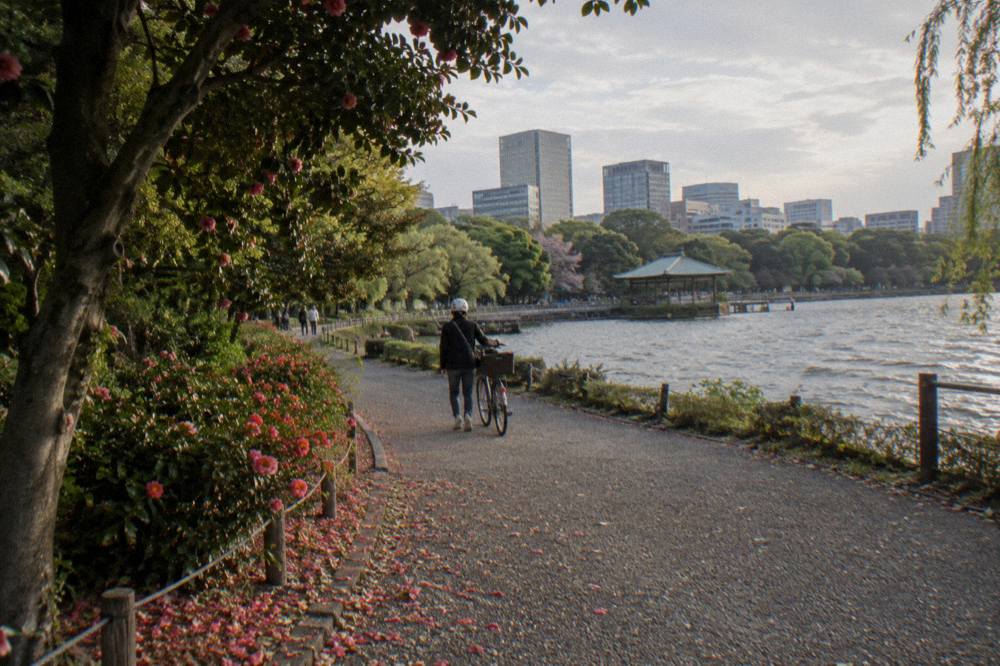
For riders who want the choice between pedal types, the 3-Hour Highlights, Bike or E-Bike option from TRB BIKE TOUR lets each rider pick a regular bike or an e-bike, from $61.54 per person, rated 4.9 across 980 reviews, meeting at the Statue of Commodore Perry. Note that helmet rental on that tour costs 1,000 yen in cash on the day if you want one, since helmets are not included in the base price. Shorter options include the 2.5-Hour Central Short Ride, from $51.82 per person, rated 5.0 across 25 reviews, and the 80-Minute Shibuya Ride, from $46 per person, rated 4.3 across only 5 reviews so far.
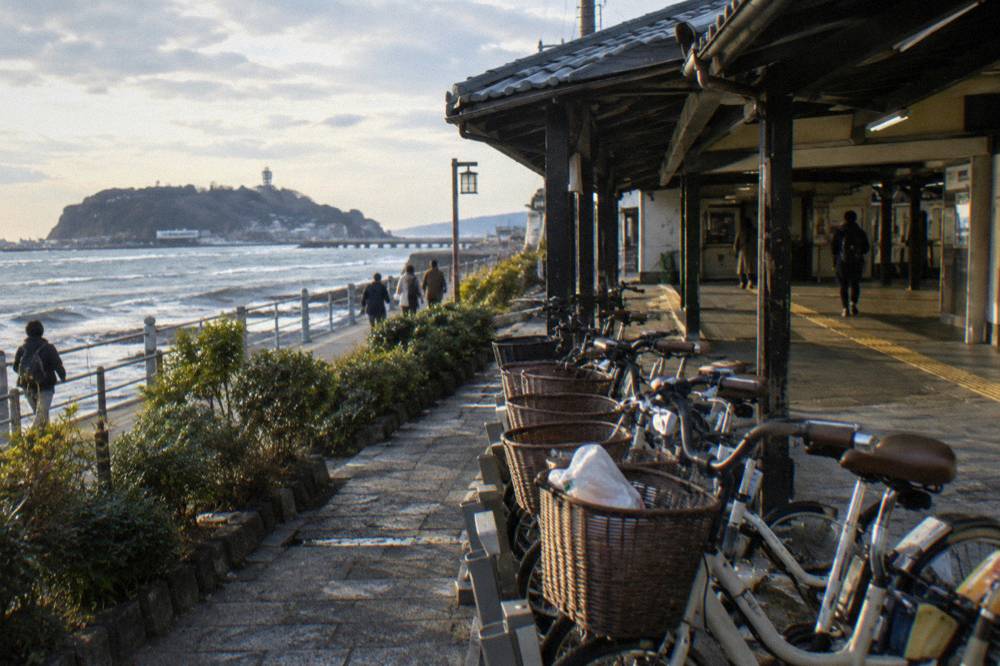
The pricing pattern across these options tells its own story about the market. A short guided ride starts in the mid $50s per person, a three-hour highlights ride sits in the low $60s, and the full-day options run to the mid $90s and above. The Flexible 3-6 Hour Small-Group Ride spans three to six hours from $64.78 per person, rated 4.9 across 212 reviews, which suits riders who want to decide the length on the day. Every one of these includes the bike, and every listing noted here includes free cancellation.
| Tour | Duration | Price from (per person) | Bike type |
|---|---|---|---|
| Small-Group Long City Ride | 6 hours 30 minutes | $106.89 | Regular bike |
| 6-Hour Full City Ride | 6 hours | $97.17 | Regular bike |
| Flexible 3-6 Hour Small-Group Ride | 3 to 6 hours | $64.78 | Regular bike |
| 3-Hour Highlights, Bike or E-Bike | 3 hours | $61.54 | Rider's choice |
| 2.5-Hour Central Short Ride | 2 hours 30 minutes | $51.82 | Regular bike |
| 80-Minute Shibuya Ride | About 80 minutes | $46 | Regular bike |
For a rider with a fixed gear background, the closest everyday Tokyo equivalent in feel is a single speed mamachari, the classic shopping bike, which usually carries a coaster brake. Readers curious about that machine can read more in the mamachari shopping bike guide, which explains how the average Tokyo household bike works and why the fleet looks the way it does.
Can You Bring Your Own Fixed Gear Bike To Japan?
Nothing in the verified rules prevents a visitor from bringing a fixed gear bike into Japan, and airlines accept packed bicycles as checked luggage as a general travel matter. The bike must satisfy Japanese equipment rules once ridden on public roads, which means a working brake, a front light for night riding, and ordinary compliance with traffic law. Pack a brake along with the bike.
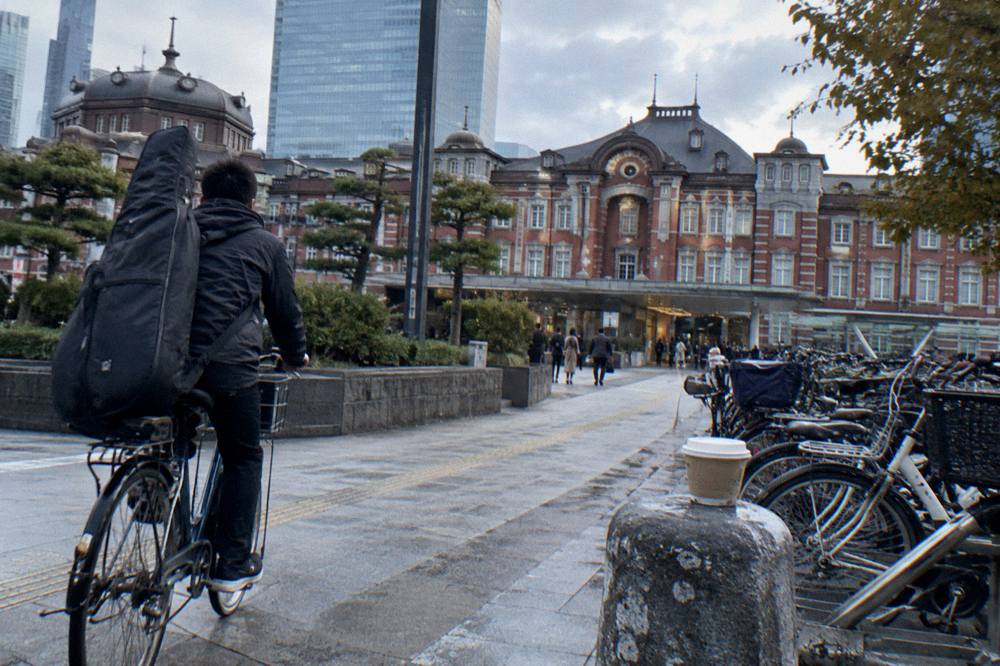
Airlines and customs are not the obstacle; the road rules are. The brake requirement discussed above applies to any bicycle on a Japanese road regardless of where it was bought or registered, and the police pages make no exception for visitors. A rider who races track at home and wants to spin around Tokyo on the same machine faces a brake question, not a fixed gear ban. The equipment rule asks for working brakes on the front and rear wheels, and a missing or defective brake carries a 5,000 yen fine. A single front caliper is not the whole answer, and skid-stopping in dense traffic is no brake at all.
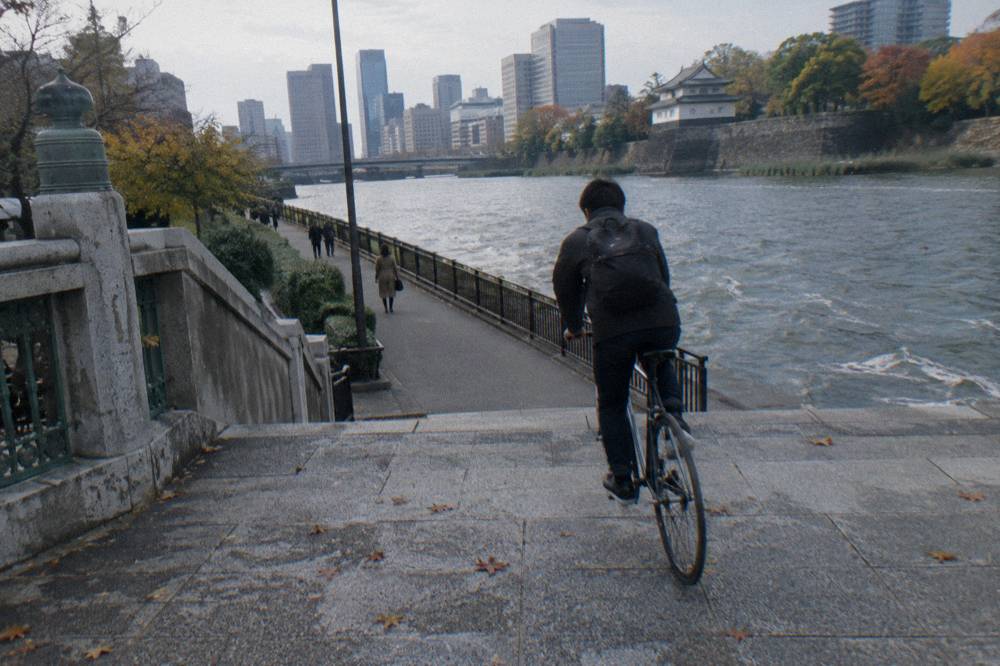
Tokyo traffic is an argument for brakes all by itself. Route guides describe riverside paths along the Arakawa and Sumida as long and pleasant, and a roughly three kilometre car-free loop opens around the Imperial Palace moat on Sundays, but the connections between these islands run through ordinary streets shared with cars, trucks, and dense pedestrian flow. Behaviour fines stack on top: riding unsafely, hands off the handlebars for example, draws a 6,000 yen fine. Stopping power that depends on a clean rim and a skilled skid is a poor match for that environment, whatever the law says.
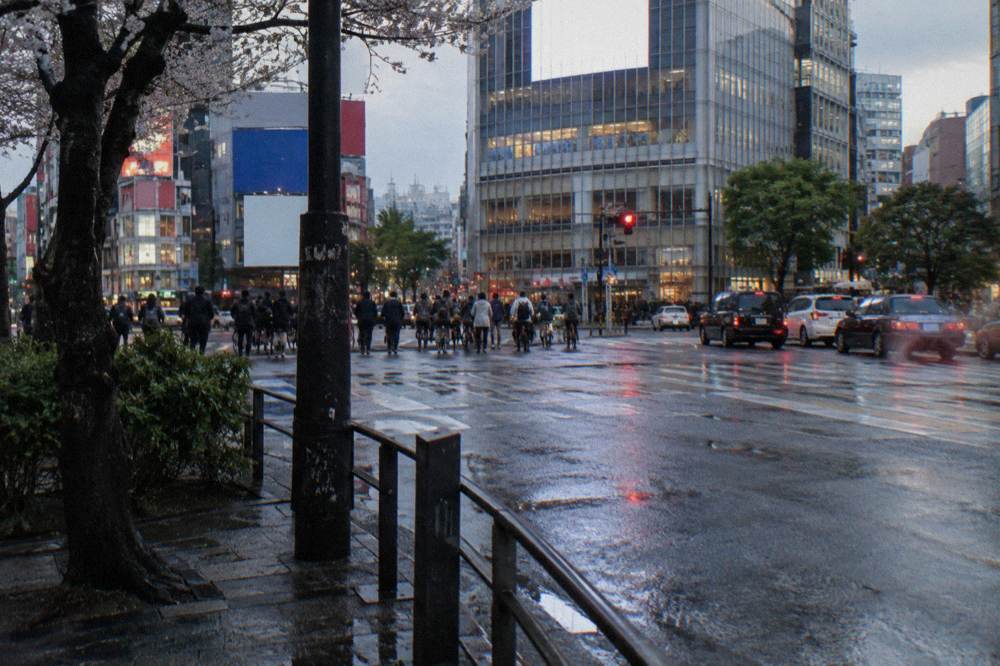
Travelling with a bike also involves logistics that a casual search underplays. Cyclists who want to move a bike by train need a rinko bag, the padded carry bag Japanese railways require for folded bicycles, and the rinko bag and train travel guide covers how that system works. For most short visits, the arithmetic favours renting or joining a guided ride over flying a bike across the world: guided options start around $46 per person for a short ride with bike and helmet included, which is dramatically less effort than a bike case through two airports.
What Else Should A Visitor Know Before Cycling In Tokyo?
Three further rules shape every ride in Tokyo: liability insurance has been compulsory for all cyclists since 1 April 2020, helmets carry an effort obligation for every age with no fine attached, and sidewalk riding is an exception rather than a right, permitted only where signed or for riders under 13, over 70, or with a disability. Guests on guided rides are covered by the rental operator's insurance duty, which is one quiet advantage of a tour.
The insurance point is the least known among visitors and the most consequential. The Tokyo ordinance requires every cyclist in the prefecture to hold bicycle liability cover, and the police insurance page spells out that rental businesses must insure the hirer's use and explain to renters what the cover includes. Japanese courts have handed down very large damages awards in cycling injury cases, which is why the rule exists. A traveller whose travel insurance includes a personal liability rider may already satisfy the requirement, and the police insurance page lists the policy types that count.
Helmets follow a softer logic. Since April 2023 every cyclist of any age must endeavour to wear one, an effort obligation with no fine, and parents carry the same duty for children. The police helmet page supports the advice with stark numbers: 63.5 percent of cycling deaths in Tokyo between 2021 and 2025 involved fatal head injuries, and the fatality rate for unhelmeted riders was 2.3 times higher. Most tours in the city include a helmet in the price, which removes the decision entirely.
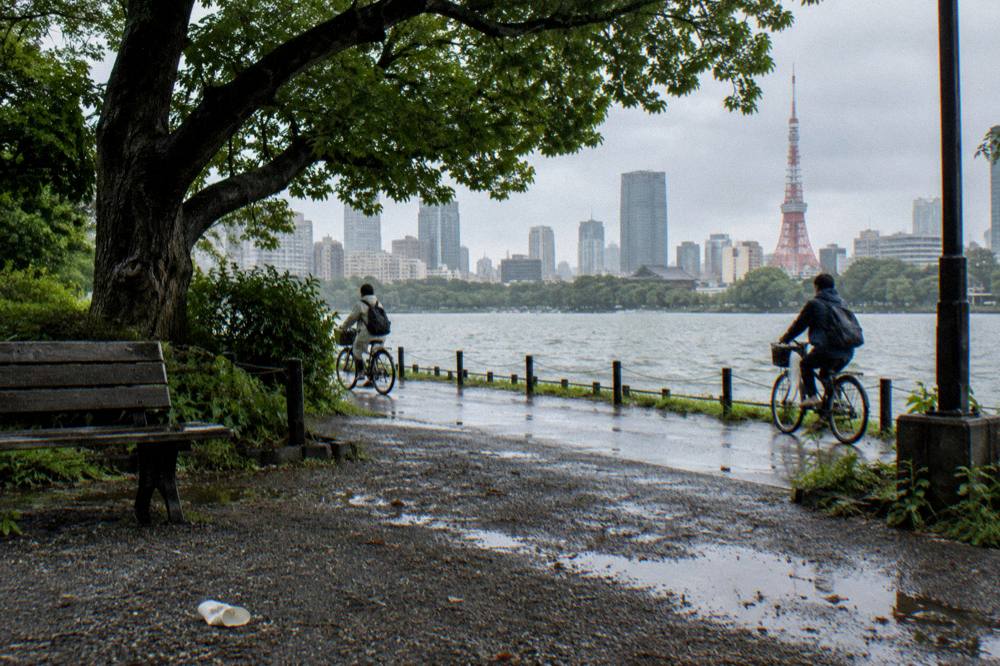
Sidewalk riding is the rule foreign riders break most often without knowing it. Bicycles are light vehicles and belong on the left of the roadway, with sidewalk use reserved for signed sections and specific rider groups, always at a speed that allows stopping for pedestrians. The violation carries a 6,000 yen fine in its dangerous forms. Riders who want the full picture before arrival can read the cycling rules overview for tourists, and the night cycling safety question covers the lighting and visibility rules after dark, including the 5,000 yen fine for riding without a light.
“Our tour guide Gaku curated a really nice tour of Tokyo, including popular tourist sites as well as hidden gems that only a local would know. I highly recommend spending the afternoon cycling with Gaku on this small group tour.”
Where does the fixie question land after all of this? Where it started: unnamed in the rules, and dependent on equipment. Bring or rent a fixed gear with working brakes on both wheels. The equipment rule requires a brake on the front and another on the rear, so a front brake alone falls short, and skid stopping is not a brake; a missing or defective one draws a 5,000 yen fine. Wear a helmet, keep to the roadway, carry cover, and no rule on the books names your bike as a problem. Fixed gears are not banned by name, but the equipment rule still bites. Brakes are required on the front and rear wheels, so a lone front brake does not clear it, and neither does skid stopping in place of a rear brake. A missing or defective brake draws a 5,000 yen fine. For most visitors, a guided ride on an ordinary city bike delivers the Tokyo streets without any of the paperwork, and it costs less than a bike bag.
Common Questions About Fixed Gear Bikes In Japan
Are Fixed Gear Bikes Illegal In Japan?
No verified Japanese law or Tokyo police rule names fixed gear bikes as illegal. The rules require every bicycle to have a working brake, and a defective or missing brake carries a 5,000 yen fine under the blue ticket system in force since 1 April 2026. Fixed gears are not banned by name. The rule requires brakes that act on both the front and rear wheels and stop the bike within 3 m from 10 km/h, so a front brake alone falls short of it. Whether a fixed rear drivetrain counts as a rear brake is not spelled out, and skid stopping is no substitute. Riding without a working brake can draw a 5,000 yen fine.
Do You Legally Need A Brake On A Bicycle In Tokyo?
Yes. The Tokyo Metropolitan Police rulebook requires bicycles to be in safe working order, and it lists a defective or missing brake as a 5,000 yen blue ticket fine for riders aged 16 and over. Slowing a fixed gear by resisting the pedals does not count as a brake for this purpose.
Can Tourists Get Blue Ticket Fines In Japan?
Yes. The Tokyo police English traffic rules page states that cyclists will be issued tickets for traffic offences, and the official visitor guide confirms the rules apply to overseas tourists. Officers normally give guidance and a warning first, with tickets targeting dangerous or repeated violations.
What Is The Highest Bicycle Fine In Tokyo?
The highest blue ticket fine is 12,000 yen for using a hand-held phone to talk or watch the screen while riding. Drunk cycling is separate and criminal, with penalties up to five years imprisonment or a one million yen fine.
Can You Rent A Fixed Gear Bike In Tokyo?
Not through the mainstream rental and tour market covered here. Rental fleets and guided tours use regular city bikes or e-bikes with full brakes; guided rides start around $46 per person with the bike included, and none of the options use fixed gear machines.
Is Wearing A Helmet Required In Tokyo?
Helmets are an effort obligation for every age since April 2023, meaning riders should wear one, but there is no fine for going without. Tokyo police report that 63.5 percent of cycling deaths in the city between 2021 and 2025 involved fatal head injuries.